
The Next Century: SAU Since 2009
- Leadership, Buildings, and Vision
- State Budgets, Productivity Measures
- Students From Near and Far
- Weathering the Coronavirus Outbreak
- Online Learning, Accreditation Tracks
- Learning, Research, Grant Funding Intertwined
- Degrees Unique to Region, Philanthropic Support
- Affordability and Service
- Mulerider Athletics
Leadership, Buildings, and Vision
During a dinner in their honor on April 2015 President David and First Lady Toni Rankin were visibly surprised by the announcement that the College of Business would bear his name. Dr. Rankin began his career in 1968 at SAU as a member of the college faculty, a career that came to a close in June 2015 when he retired as the university’s eleventh president. It was fitting that the first named college at the university recognized the person who had launched the first capital campaign and the most extensive building program since the presidency of Imon Bruce (1959-1976).
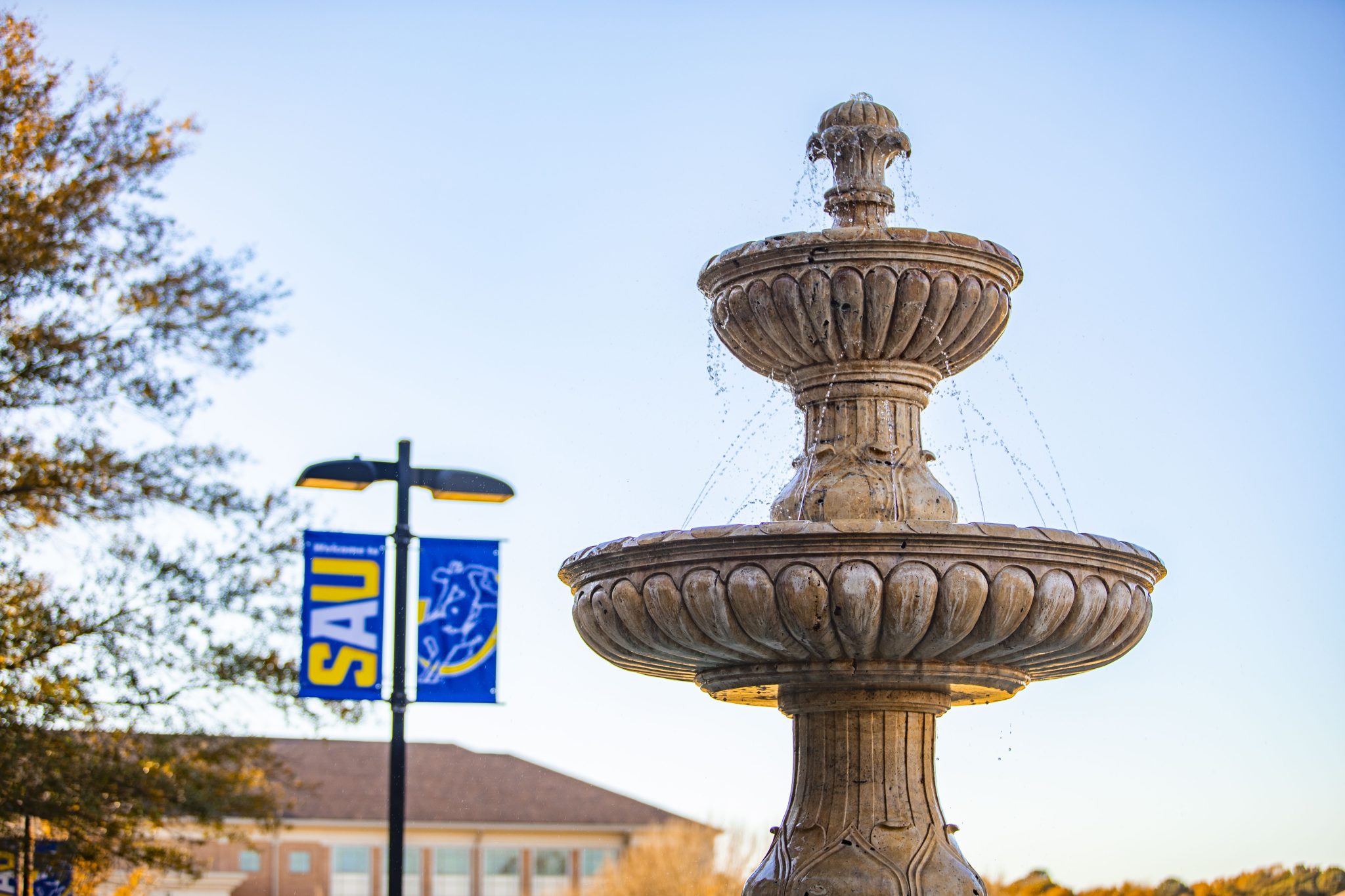 Fountain |
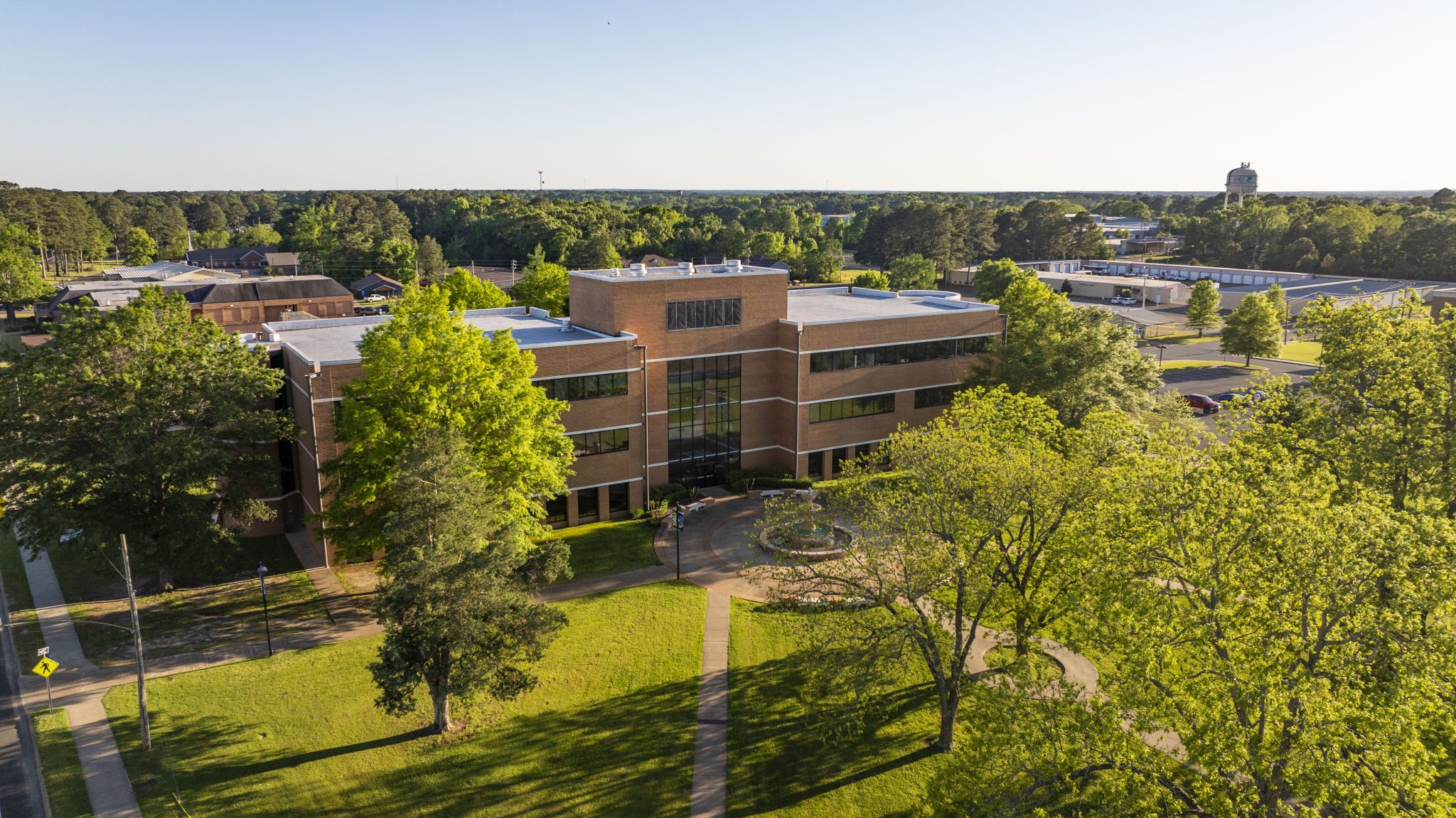 Blanchard Business Building |
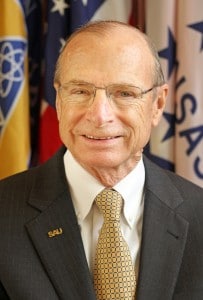 Dr. Rankin |
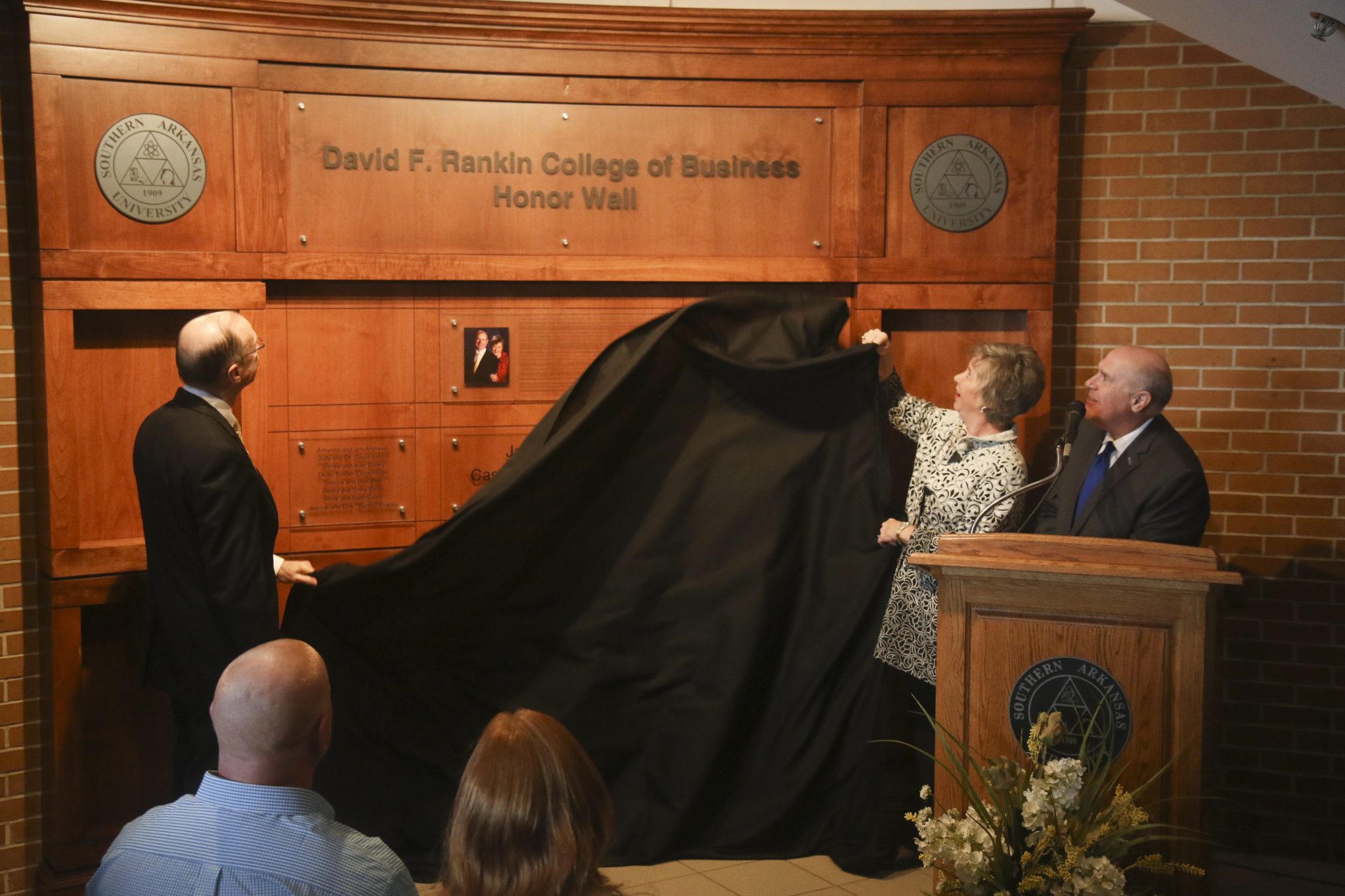 Wall Dedication |
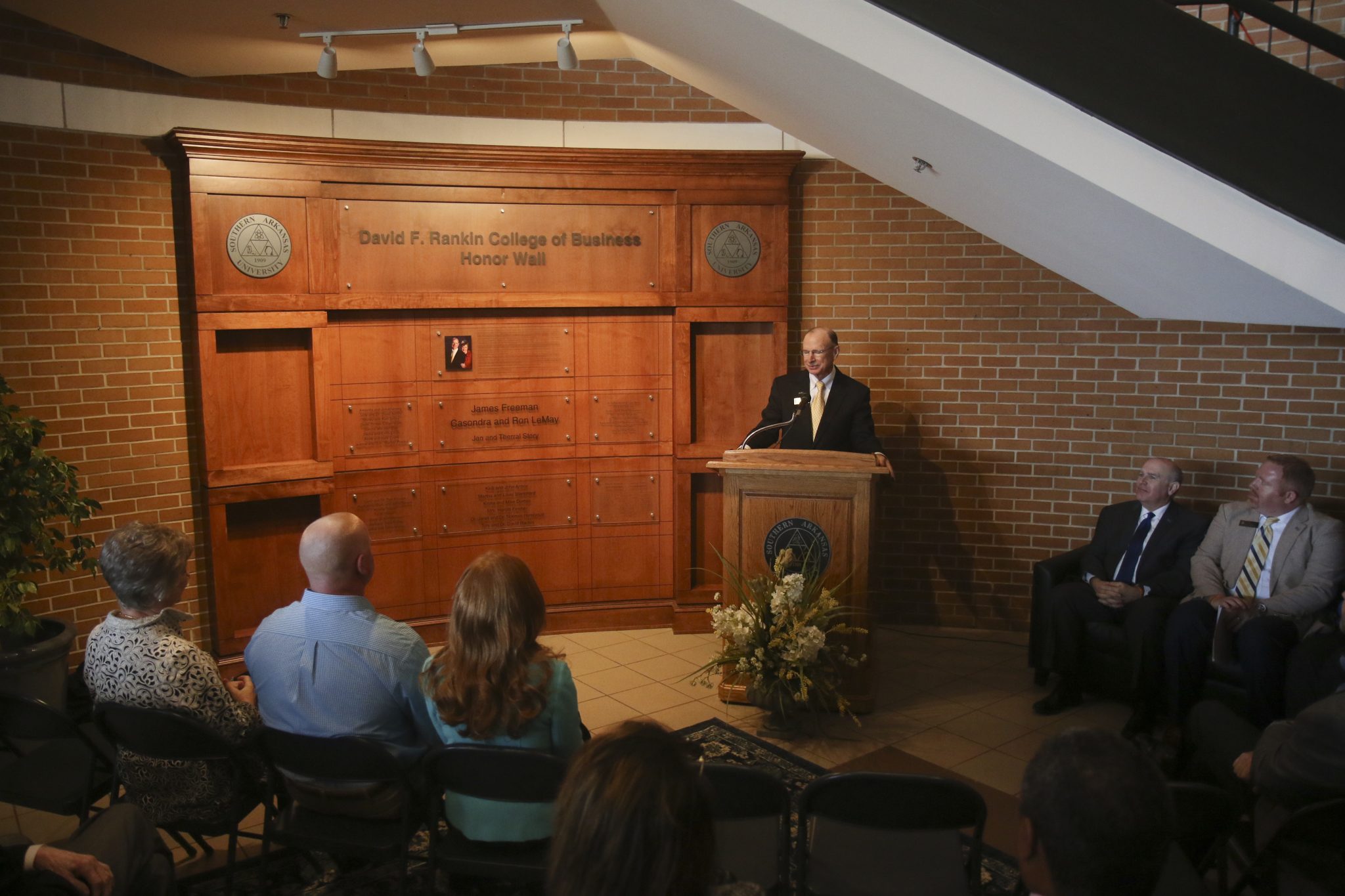 Wall Dedication |
Dr. Rankin’s predecessor, Steven Gamble (1991-2001), had approved the razing of the last two Third District Agricultural School buildings, completing the transition of the traditional center of campus into an open mall. The construction during Dr. Rankin’s tenure of the University Science Center (2010) as well as the Agriculture building (2013) to the north of the Blanchard business building extended the western footprint of the university.
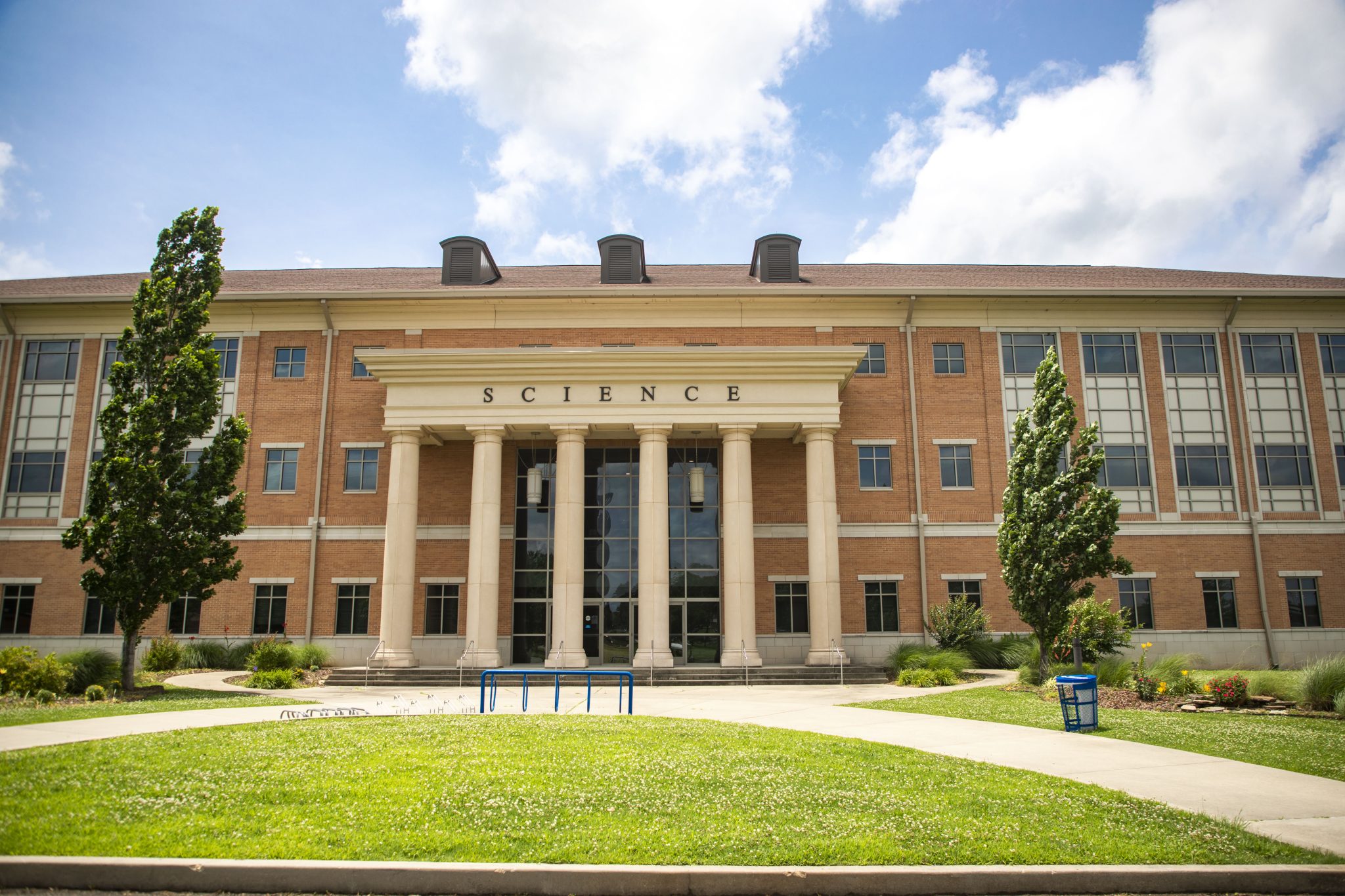 Science Building |
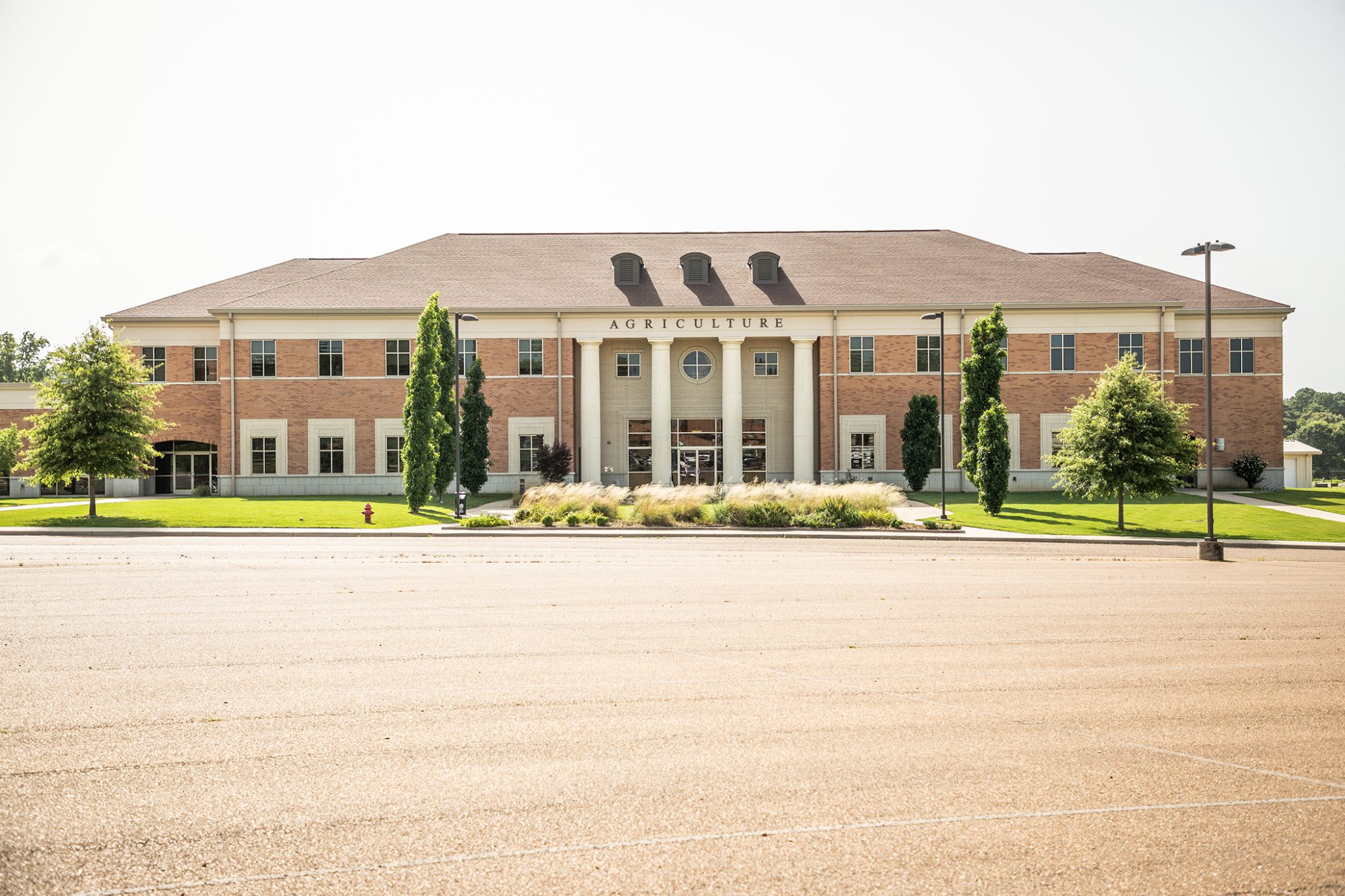 Agriculture Building |
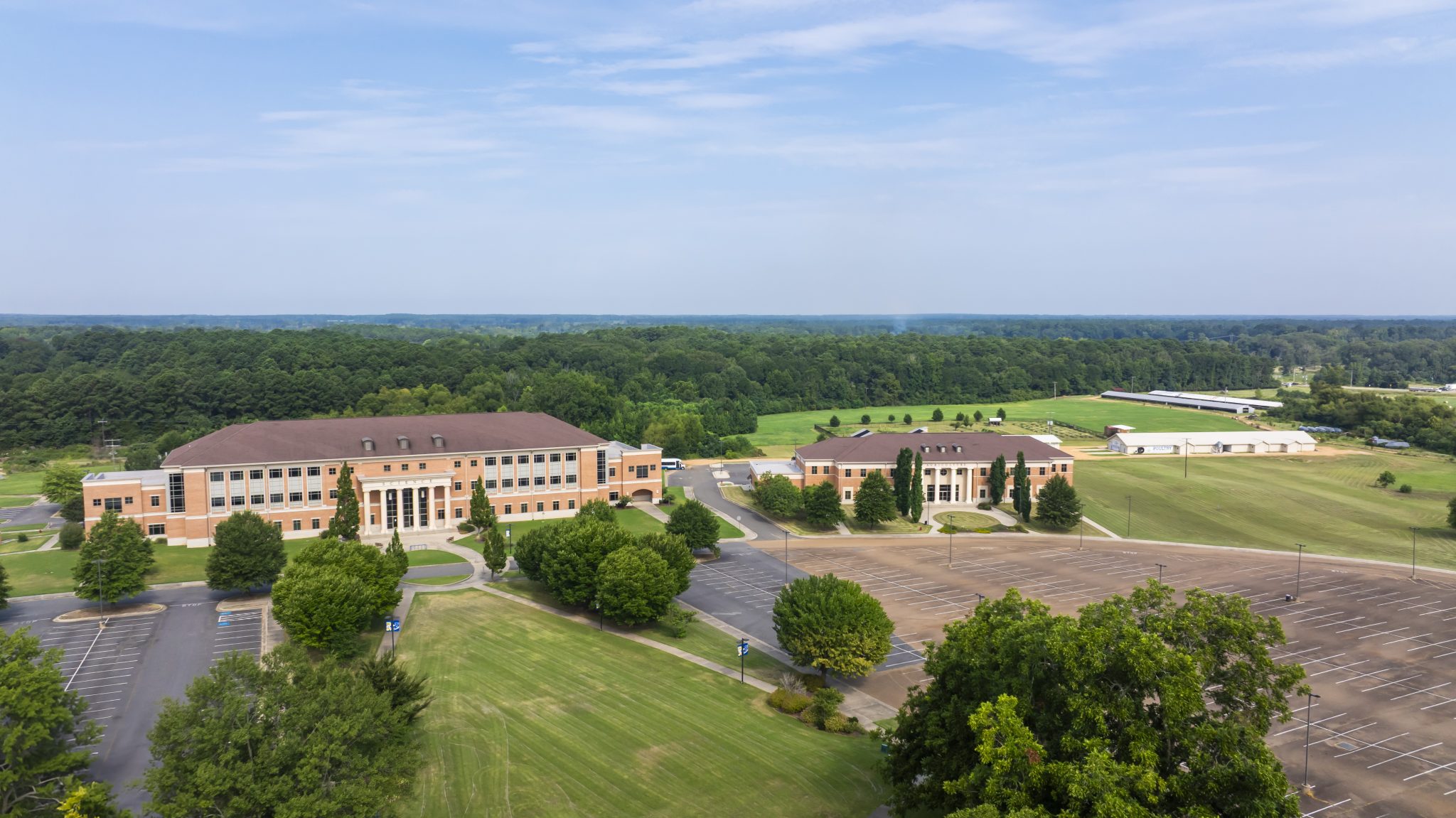 Science & Agriculture Building |
Historically, the campus had a southern orientation, but new structures buttressed the university’s physical presence along US Highway 82. SAU essentially leapt the highway with the dedication in November 2014 of the Story Arena, the last major capital project of Dr. Rankin’s administration.
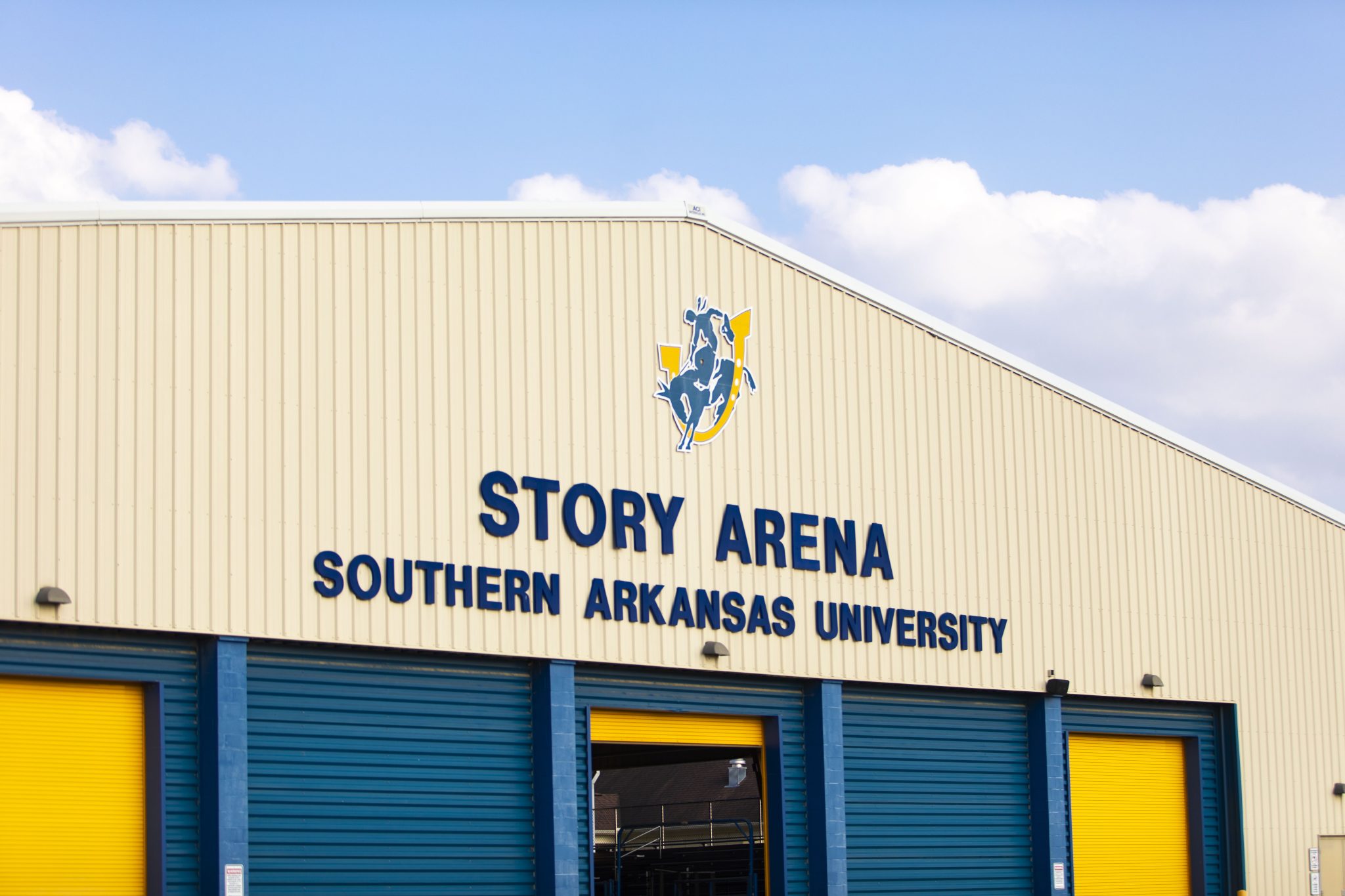 Story Arena |
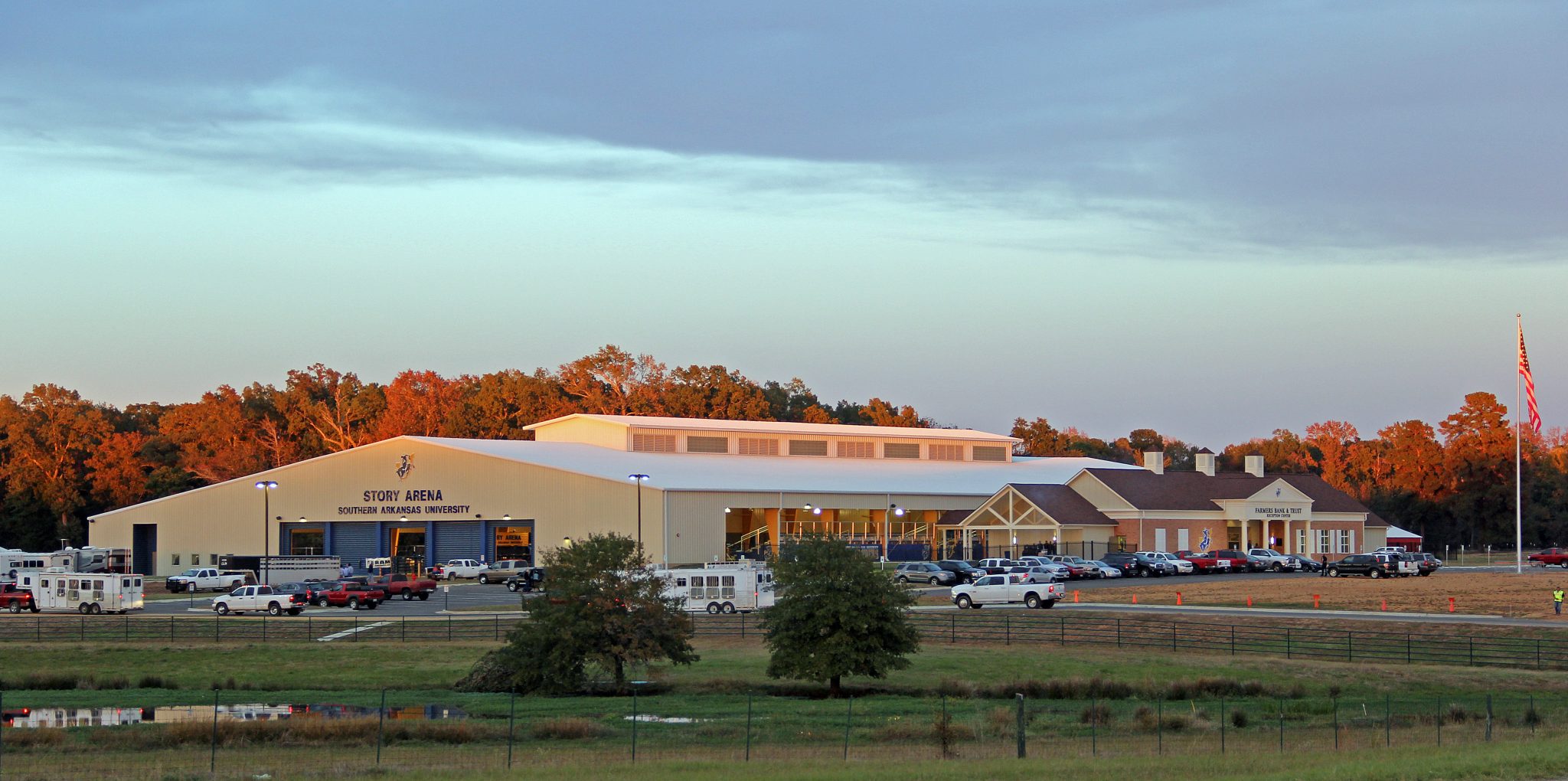 Story Arena |
The scaling up of the athletic section of the campus after 2009 reflected the rejuvenation of the programs as well as generous donations from organizations and supporters of SAU. The completed projects included the Ronnie Ribble Strength Training Center, 2012; Dawson Family Field at the Dr. Margaret Downing Softball Complex, 2016 (Downing was a successful SAU coach and women’s athletic director); Dawson Athletic Complex, 2021 (donations by the family honored Bill Dawson, Sr. and Melissa Dawson); Norm DeBriyn Athletics Operations and Murphy USA Student-Athlete Academic Success Center, 2024 (DeBryin compiled an impressive record over 33 years as head coach of the University of Arkansas baseball team).
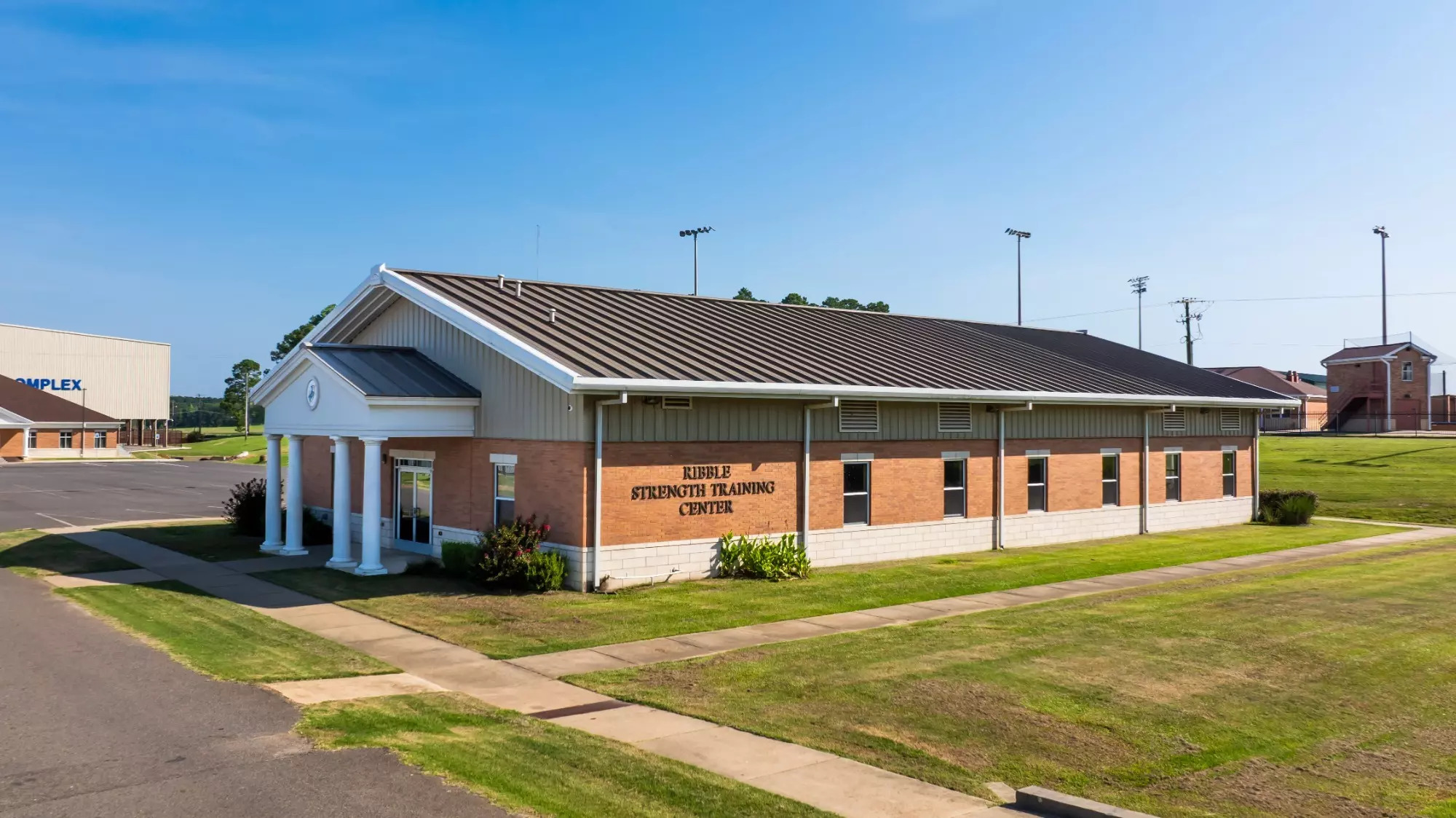 Ribble Strength Training Center |
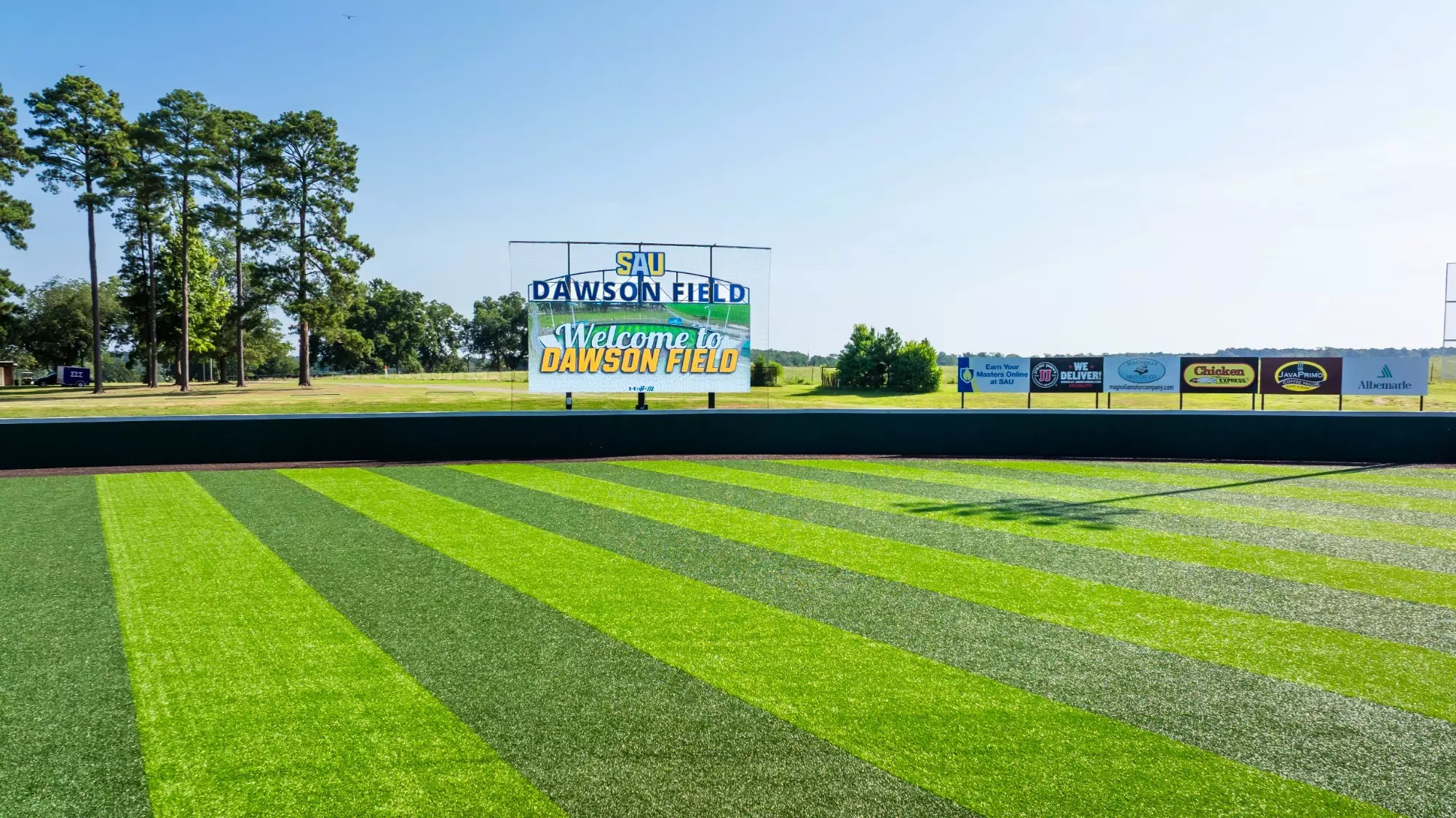 Dawson Field |
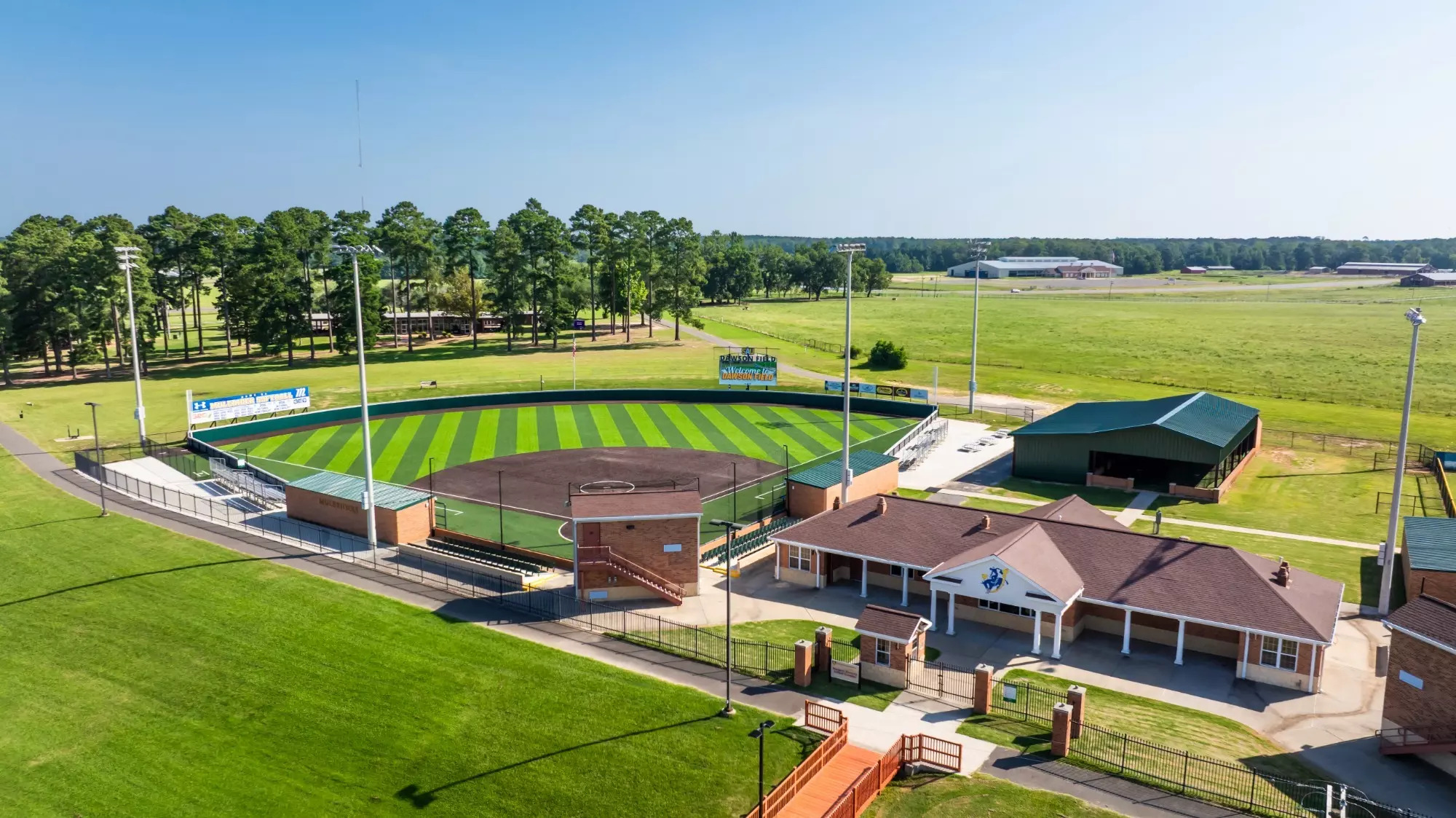 Dr. Margaret Downing Softball Complex |
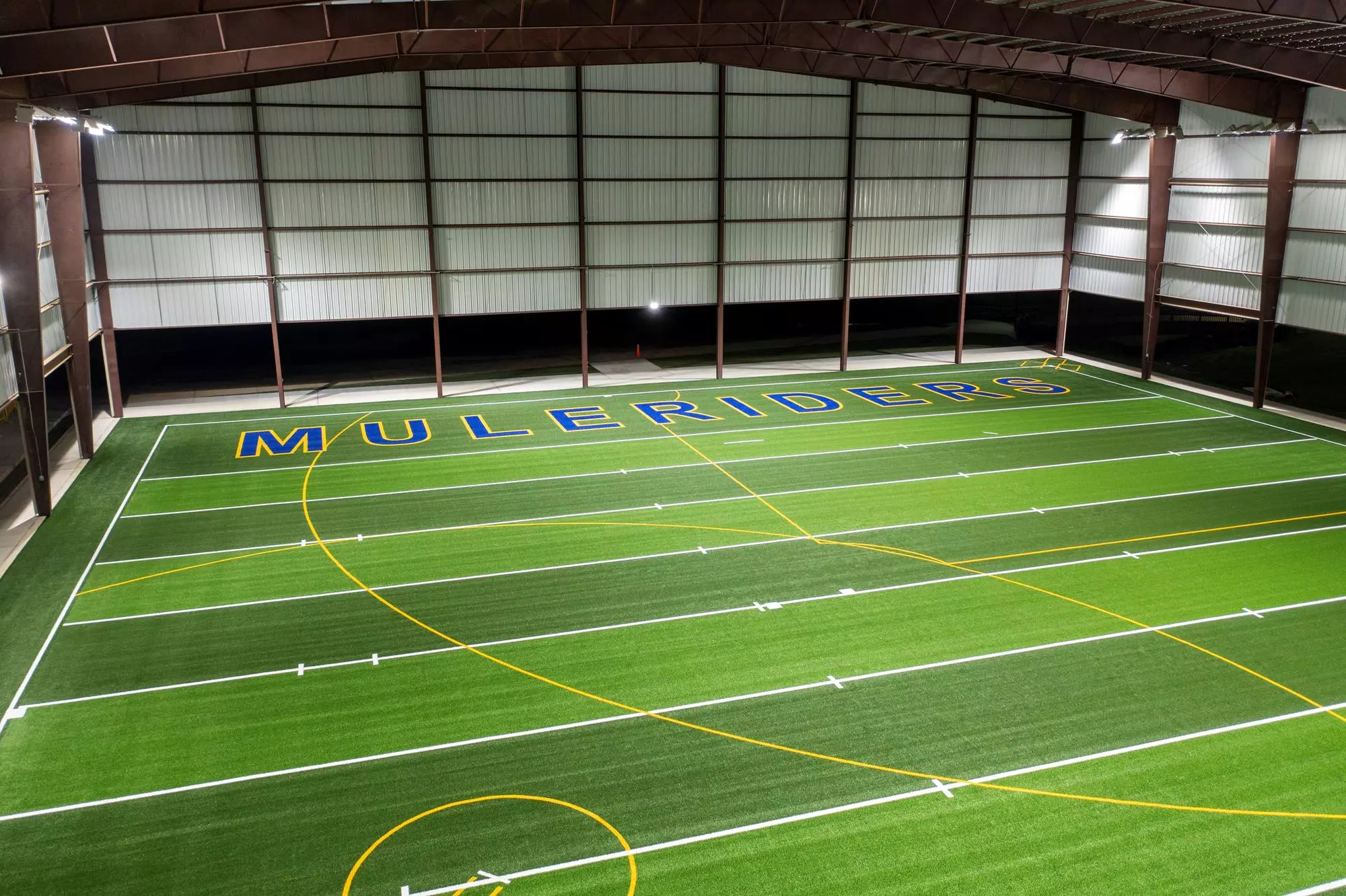 Watson Athletic Complex |
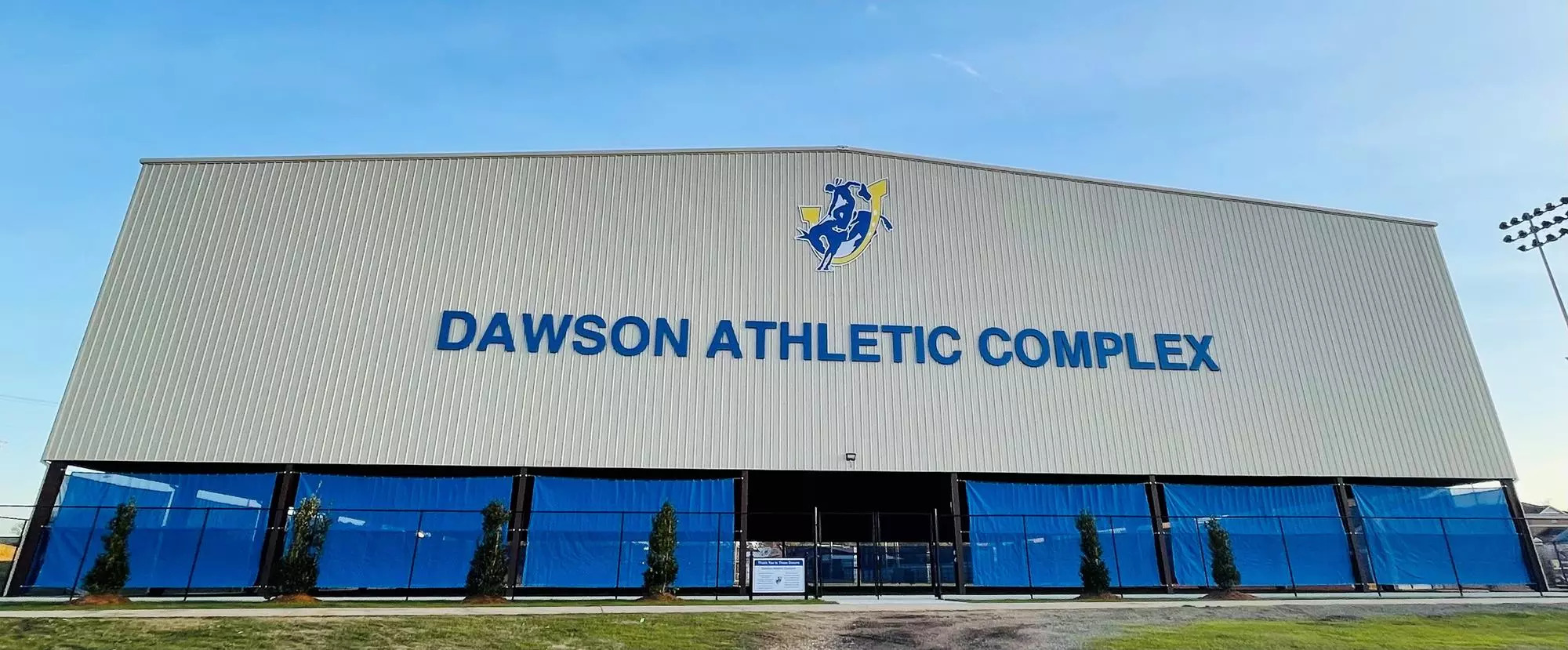 Watson Athletic Complex |
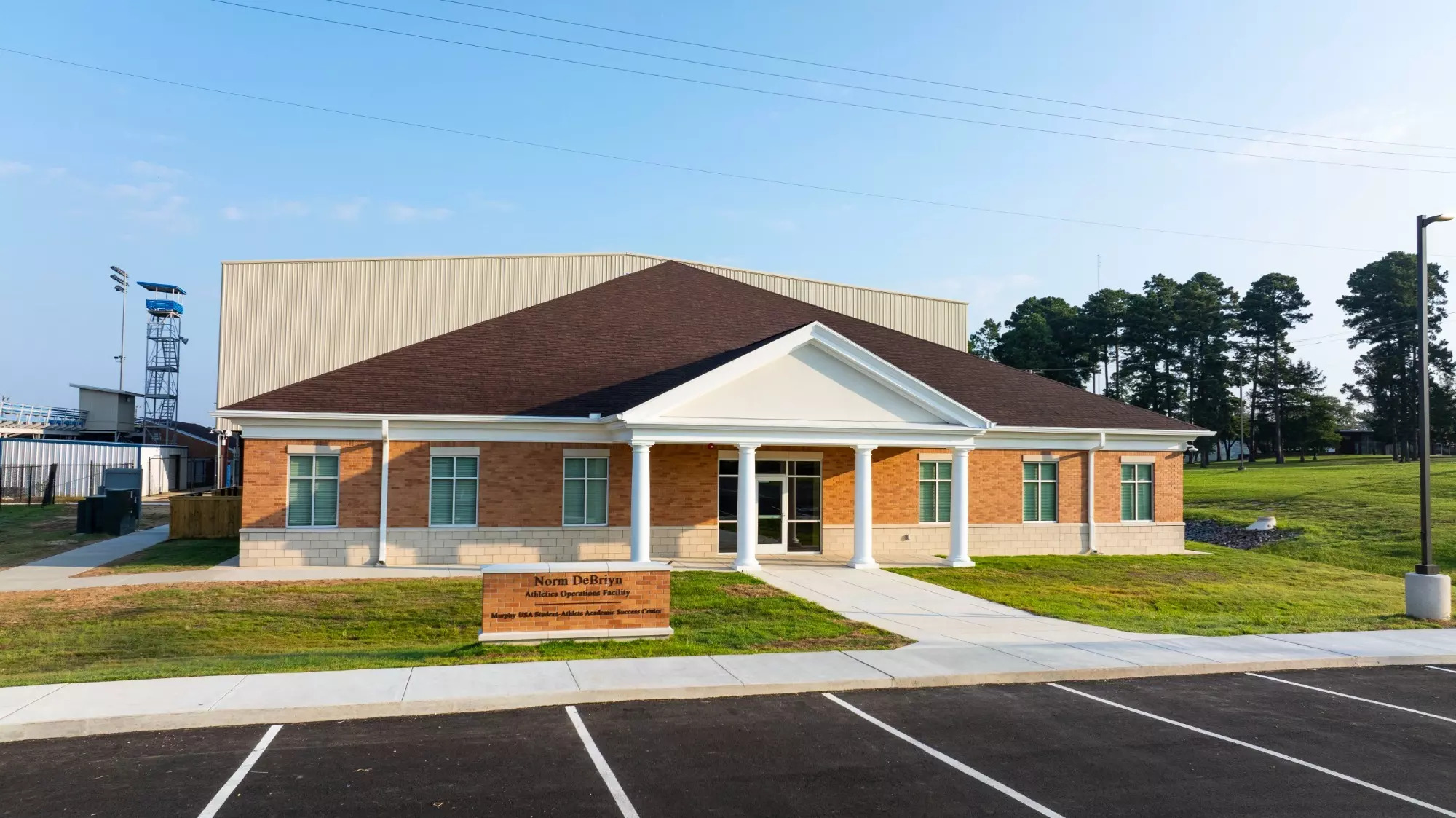 Norm Debriyn Athletics Operations and Murphy USA Student-Athlete Academic Success Center |
The Willard and Pat Walker Charitable Foundation and Murphy USA were notable underwriters over a period of years for new facilities as well as refurbishment of existing structures serving university athletes.
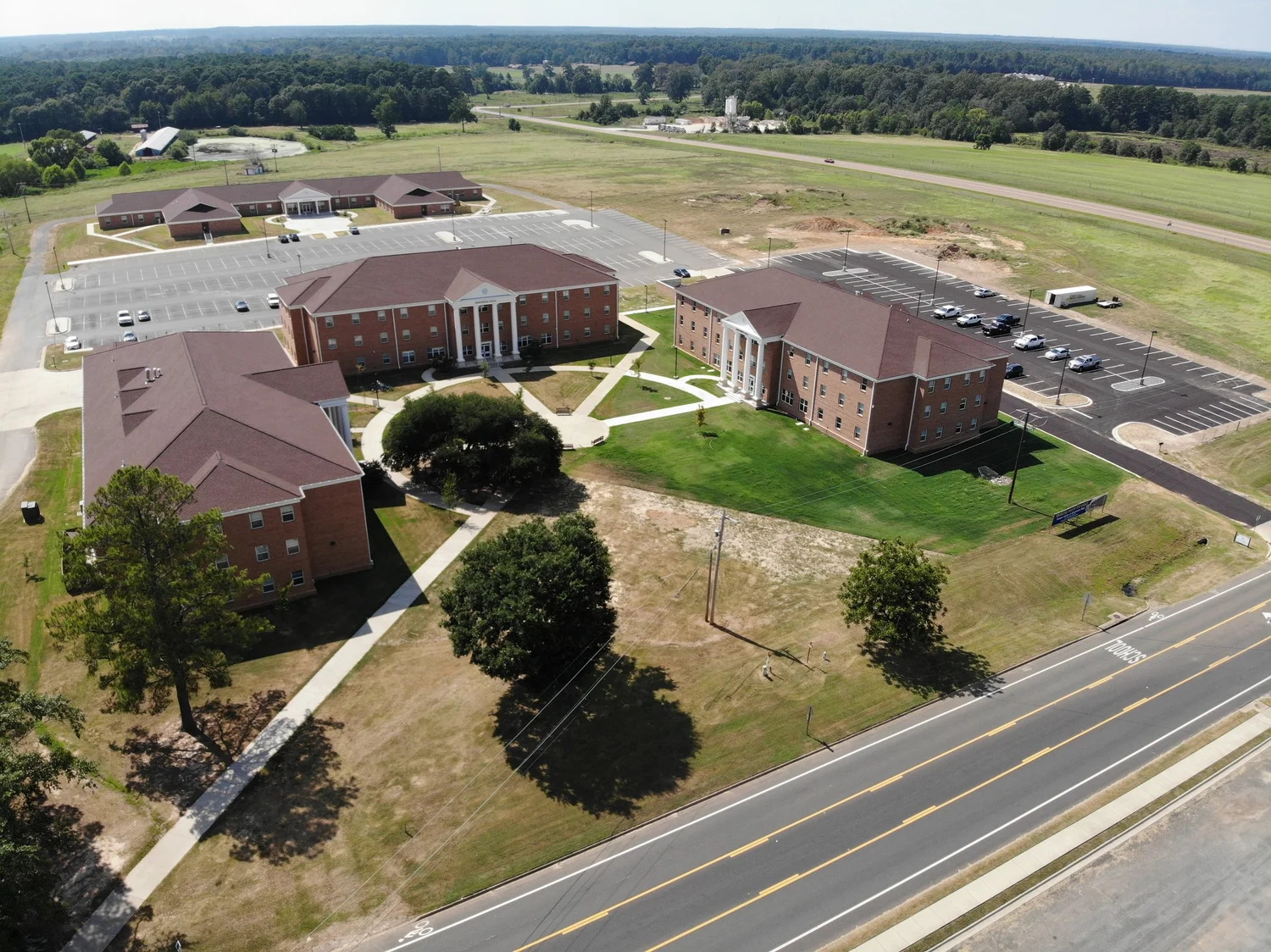
Trey Berry, who assumed the office of the president in 2015, was not wary of brick and mortar improvements. More students filling classroom seats led to successive ribbon cuttings at sites for new student housing. The university between 2016 and 2019 opened Columbia, Magnolia, Harsh-Burns, and Arkansas halls alongside US 82.
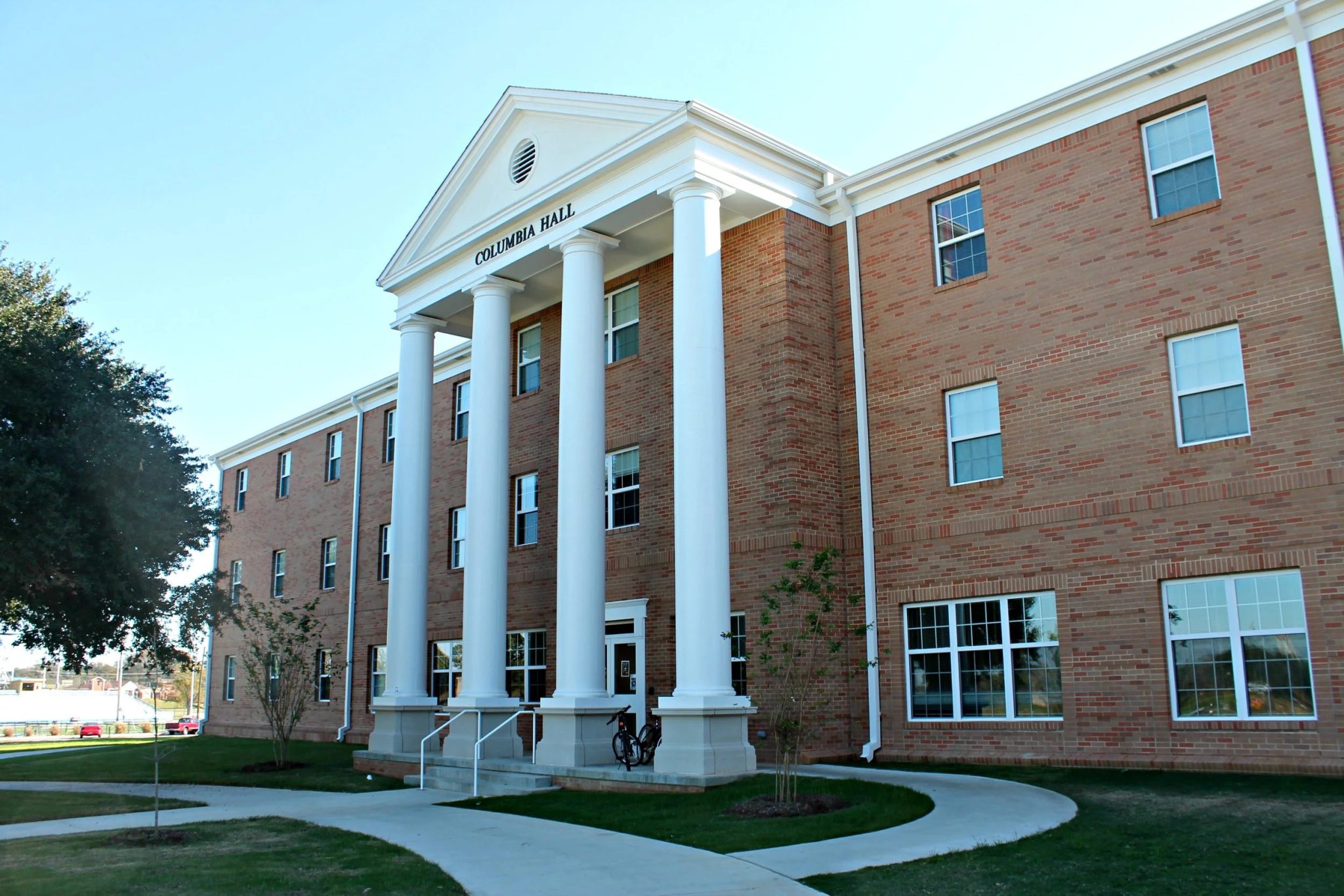 Columbia Hall |
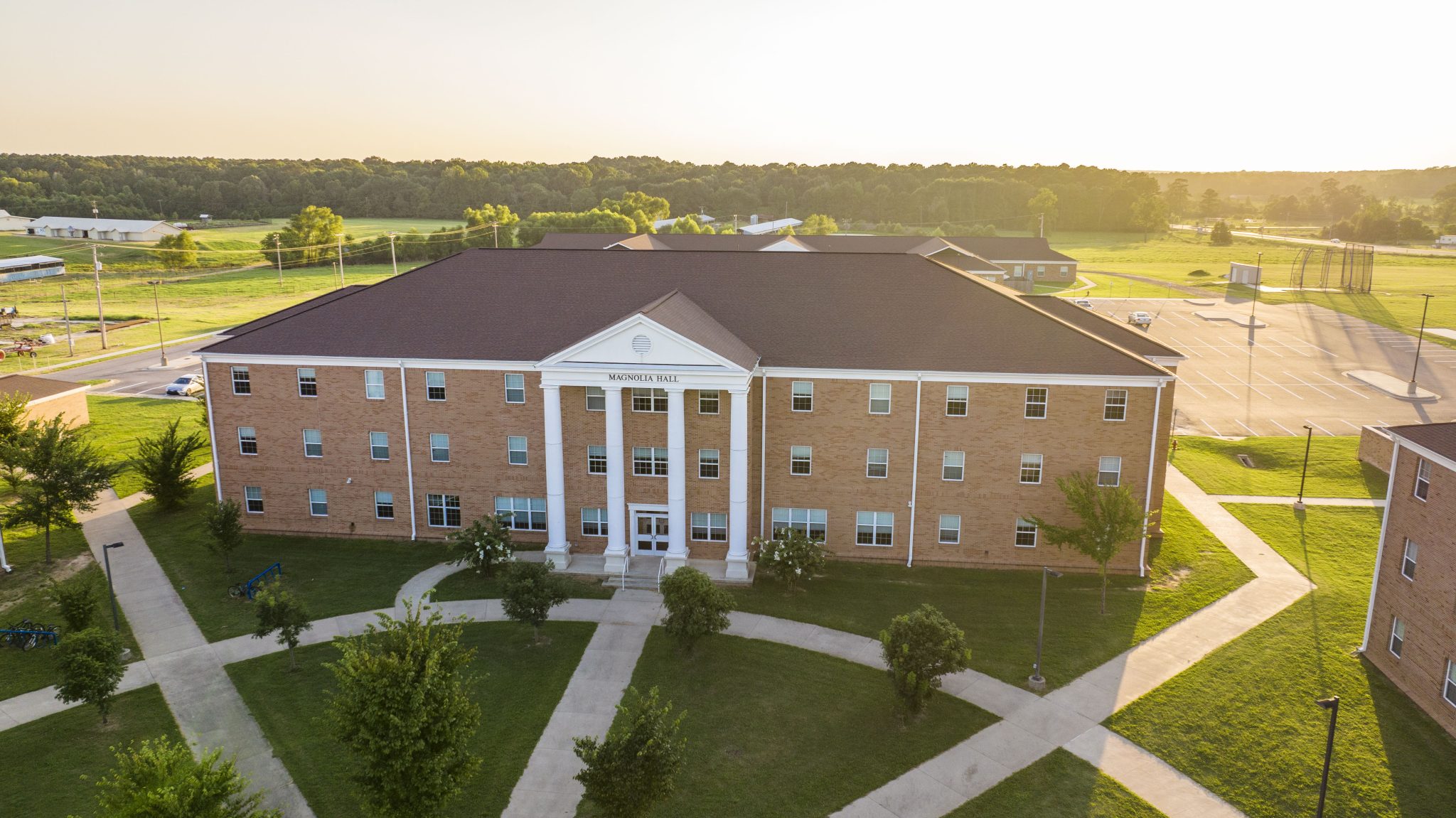 Magnolia Hall |
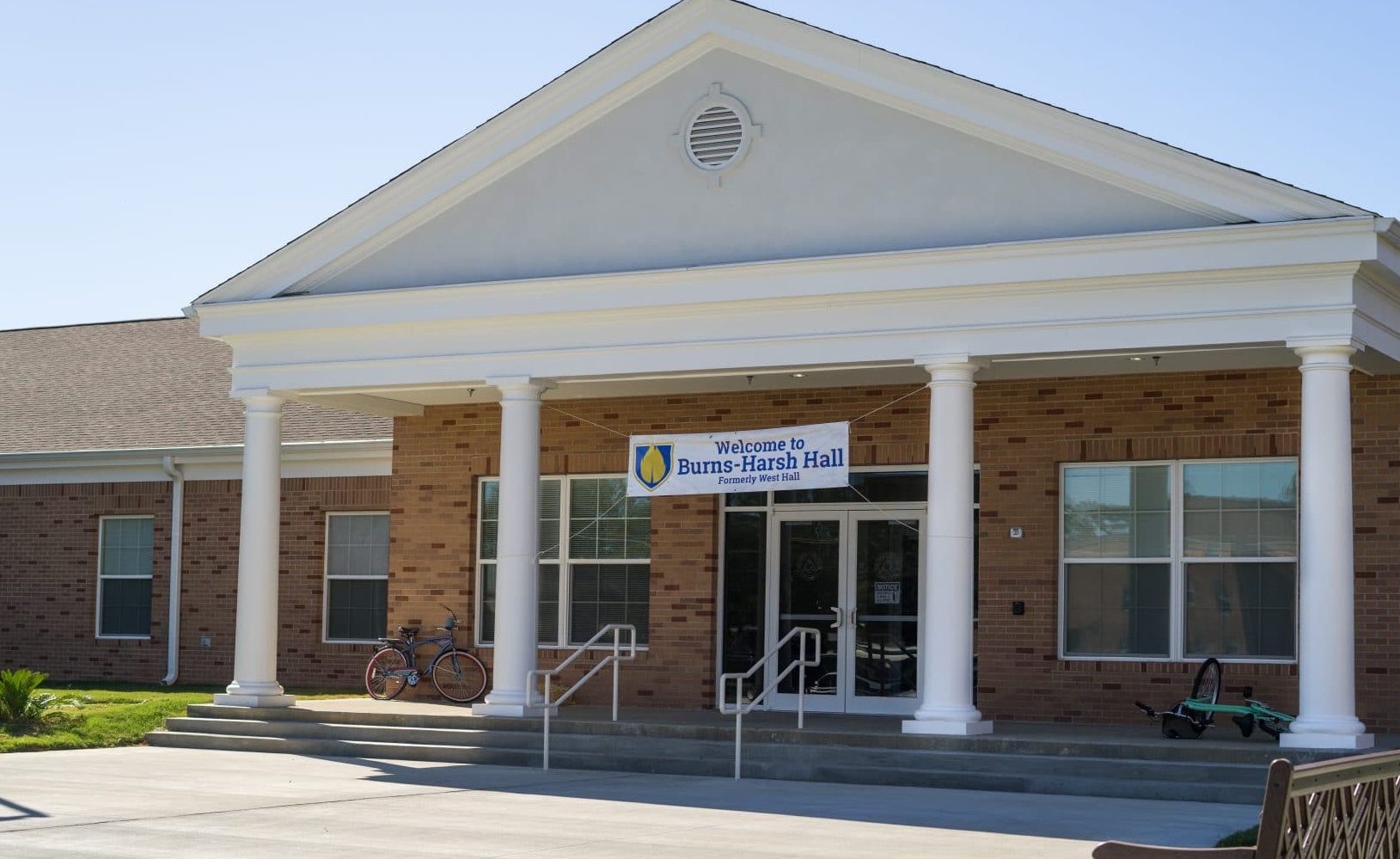 Burns-Harsh Hall |
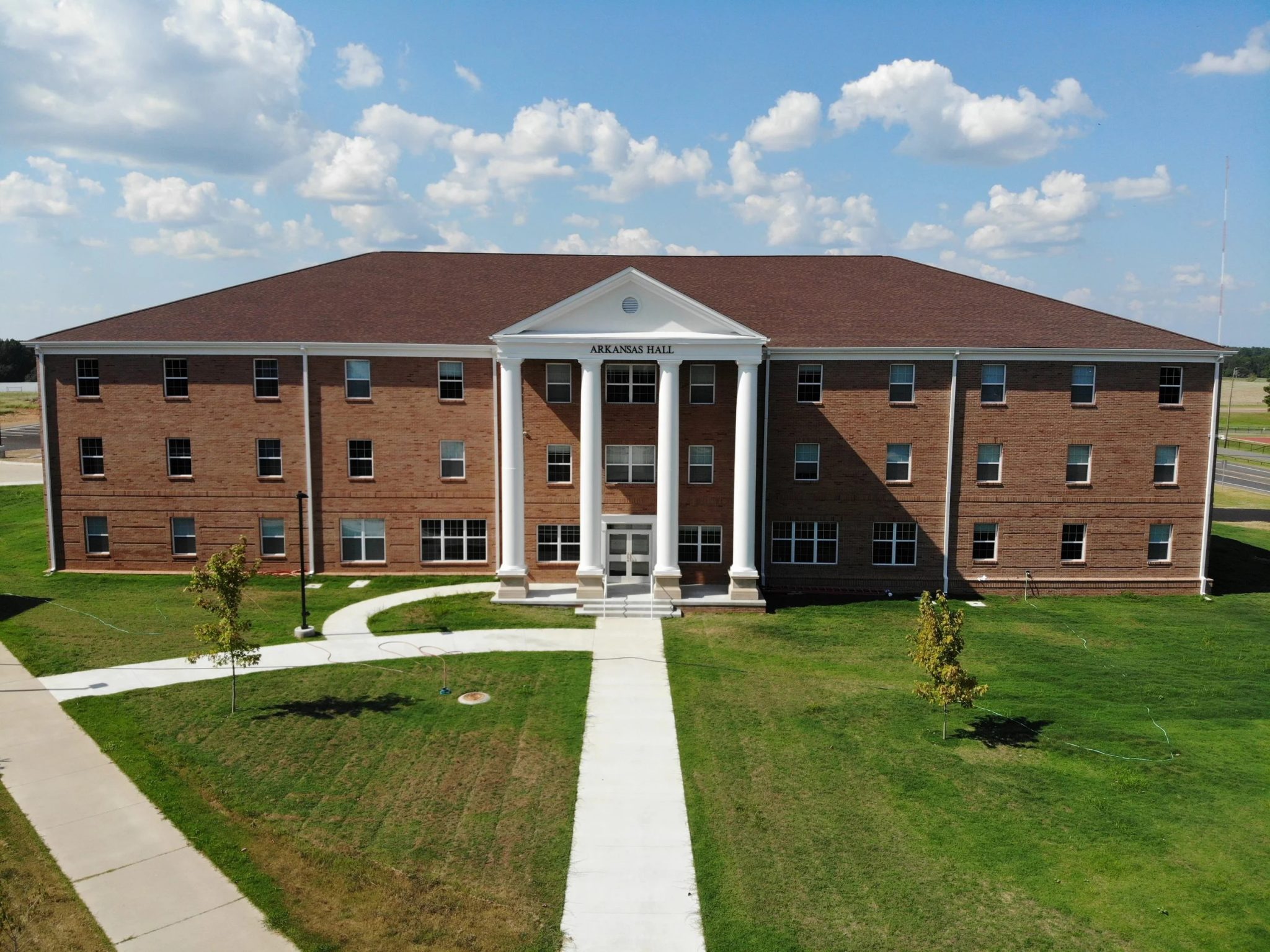 Arkansas Hall |
 |
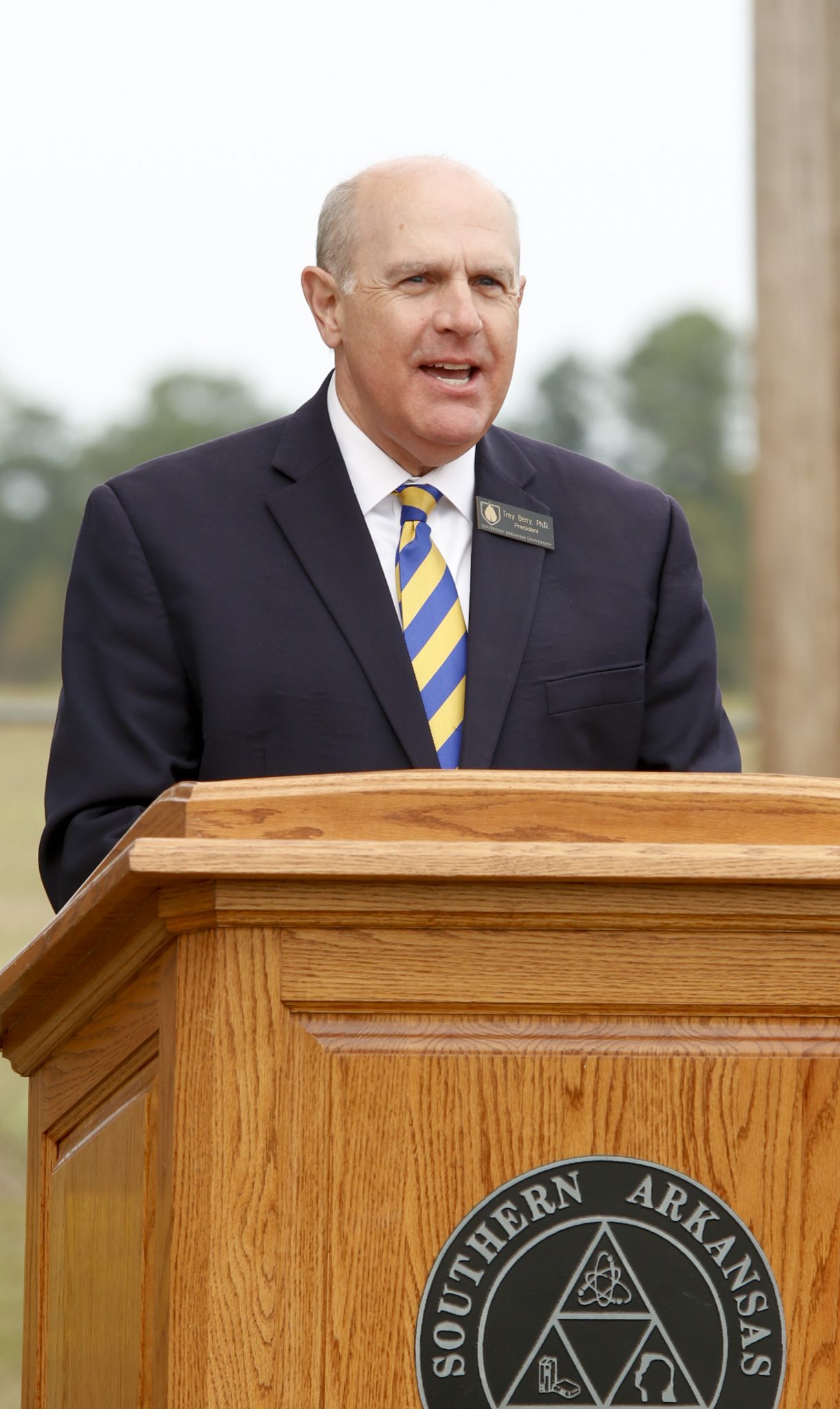 Dr. Berry at Groundbreaking |
Dr. Berry also oversaw a series of renovations, notably the repurposing in 2016 of the National Guard Armory into the Robert and Edna (Cook) Norvell Engineering Building. In 2020 the new home of the College of Education became the final building constructed during his administration and the culmination of an expansionist era that transformed the physical campus.
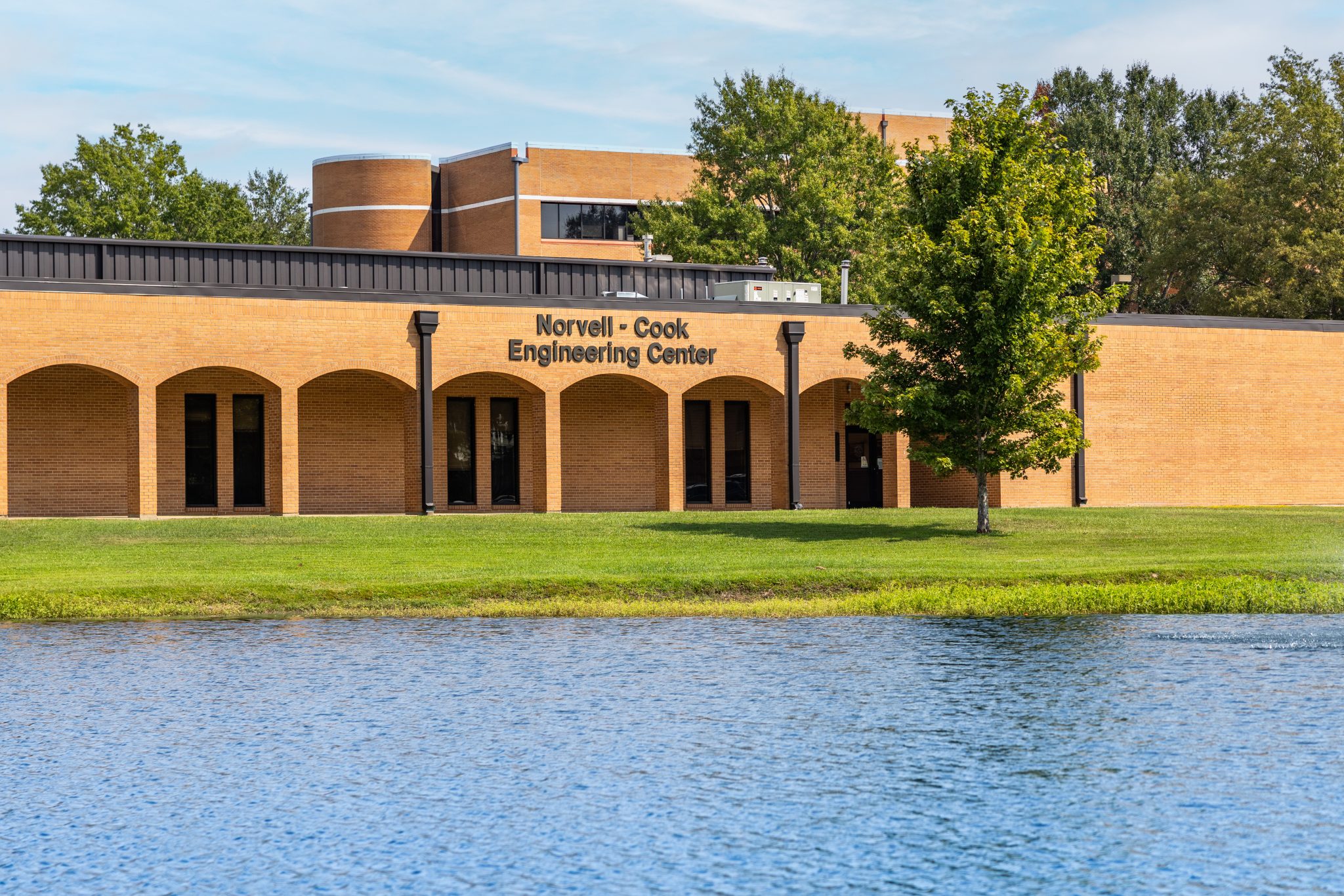 Norvell-Cook Engineering Center |
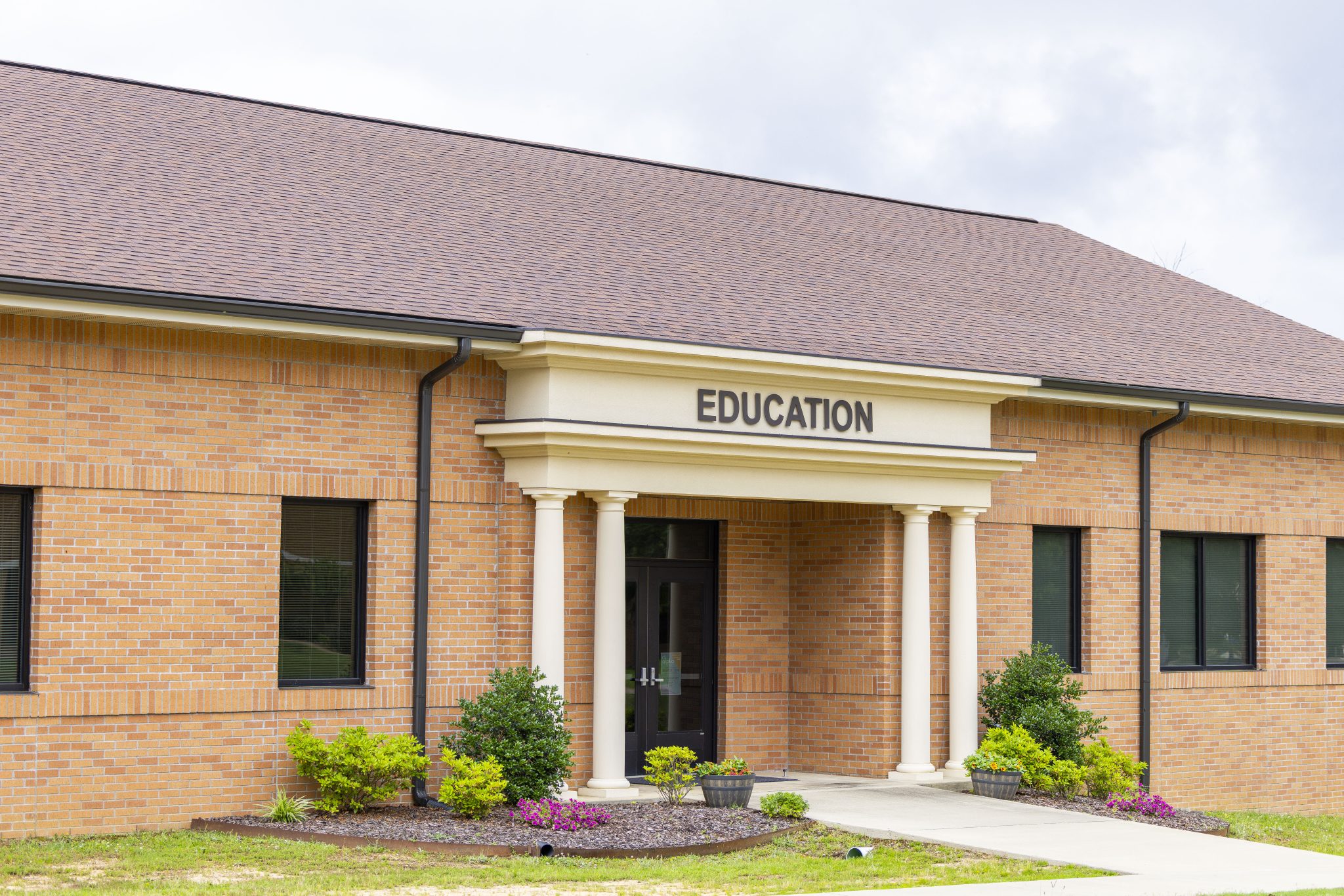 Education Building |
Dr. Berry began his service to SAU in 2011 when he became dean of the College of Liberal and Performing Arts. The following year he was appointed provost and vice president of academic affairs. Like Dr. Gamble, Dr. Berry was a historian by training. The new president’s career had spanned academia and a stint as deputy director in the Department of Arkansas heritage.
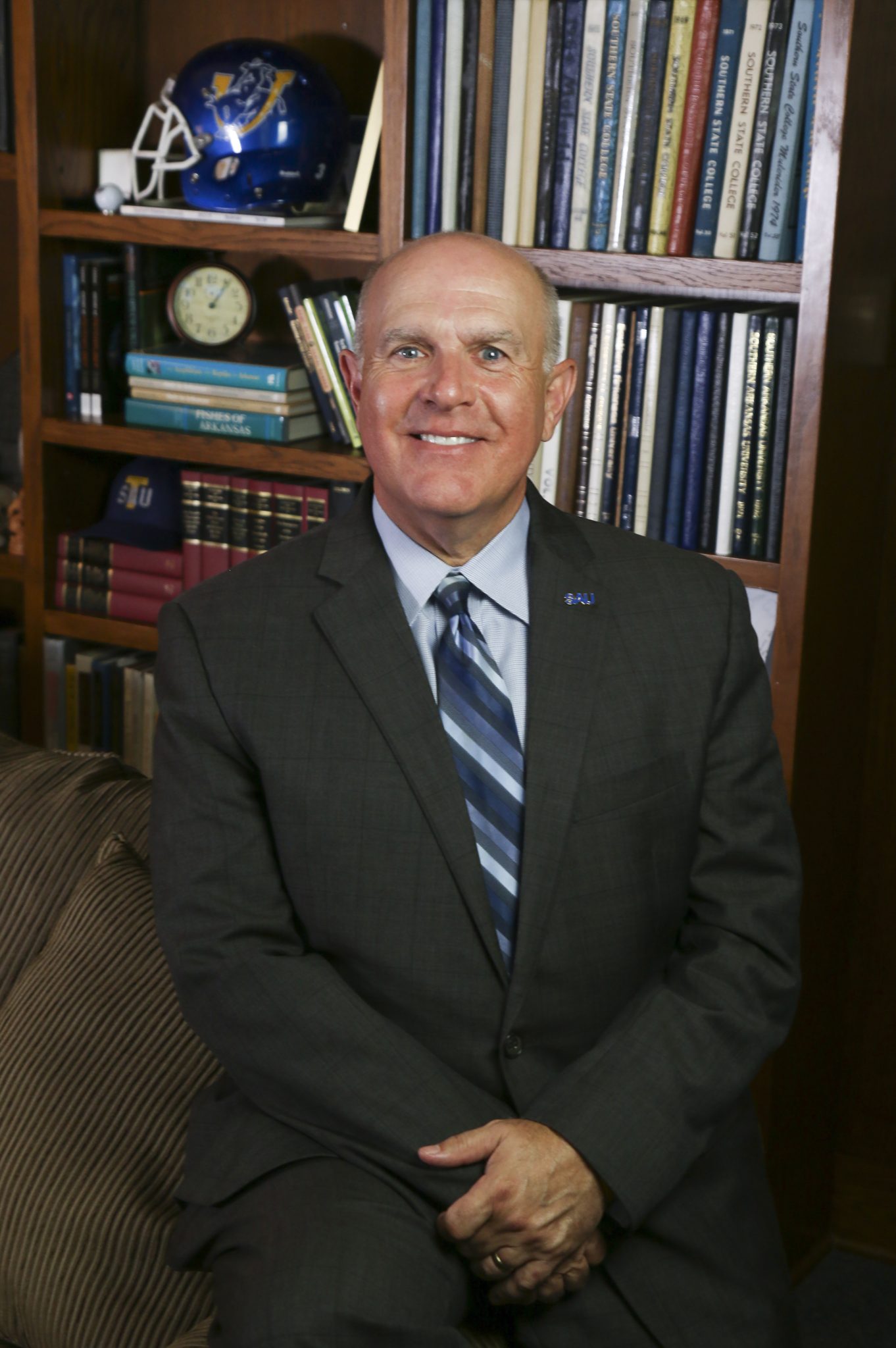 Dr. Trey Berry |
On his first day in office, Dr. Berry highlighted an iconic symbol of SAU’s resilience and rootedness in the region with the ceremonial replanting of the Lone Pine. From 1909 to 1956, the original Lone Pine had been a touchstone for generations of students. During his interview for the presidency, Dr. Berry emphasized he would center his administration on “people, planning, programs, and philanthropy.” The new leader of the university understood that philanthropy underwrote his other goals.
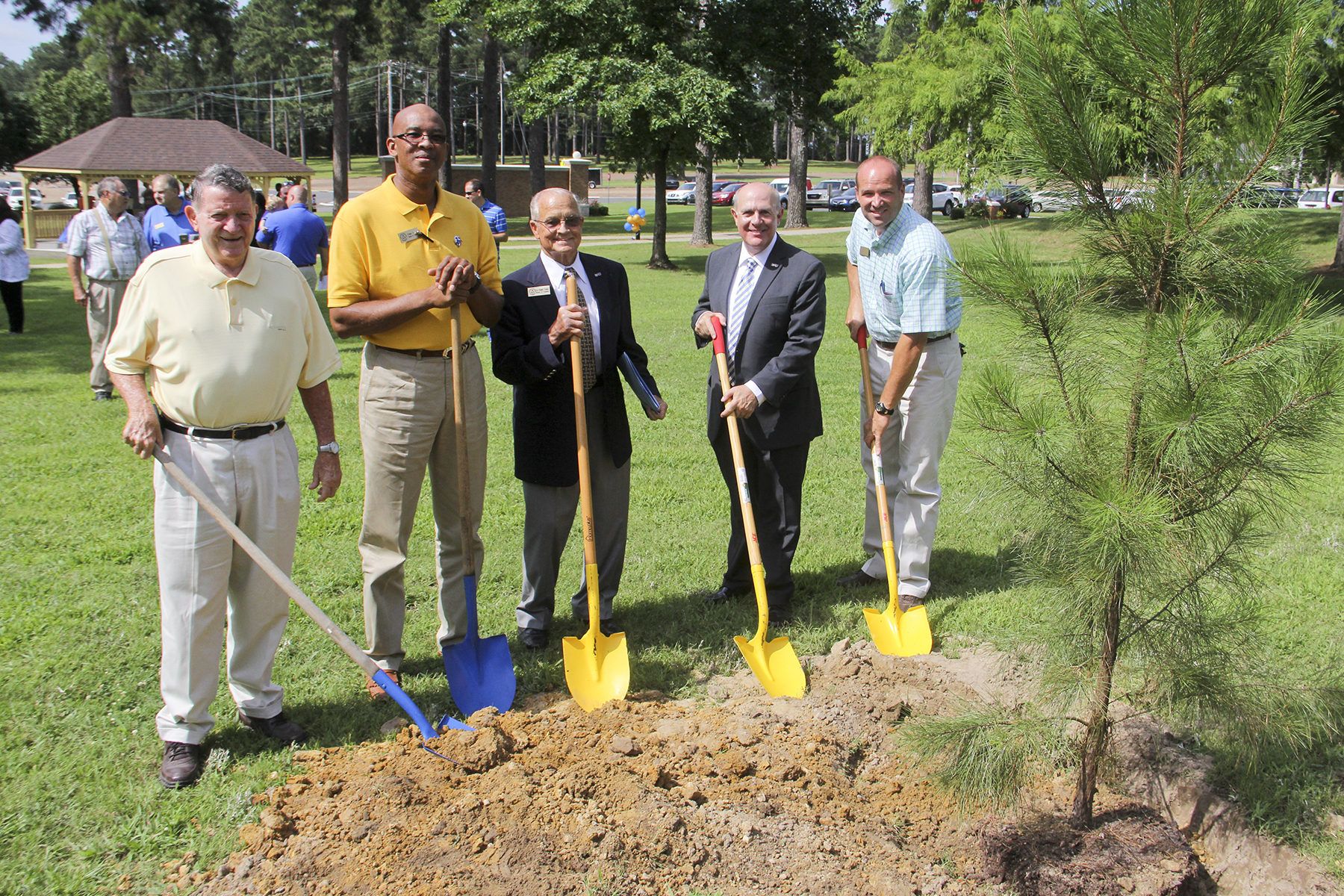 Lone Pine Tree Planting Ceremony |
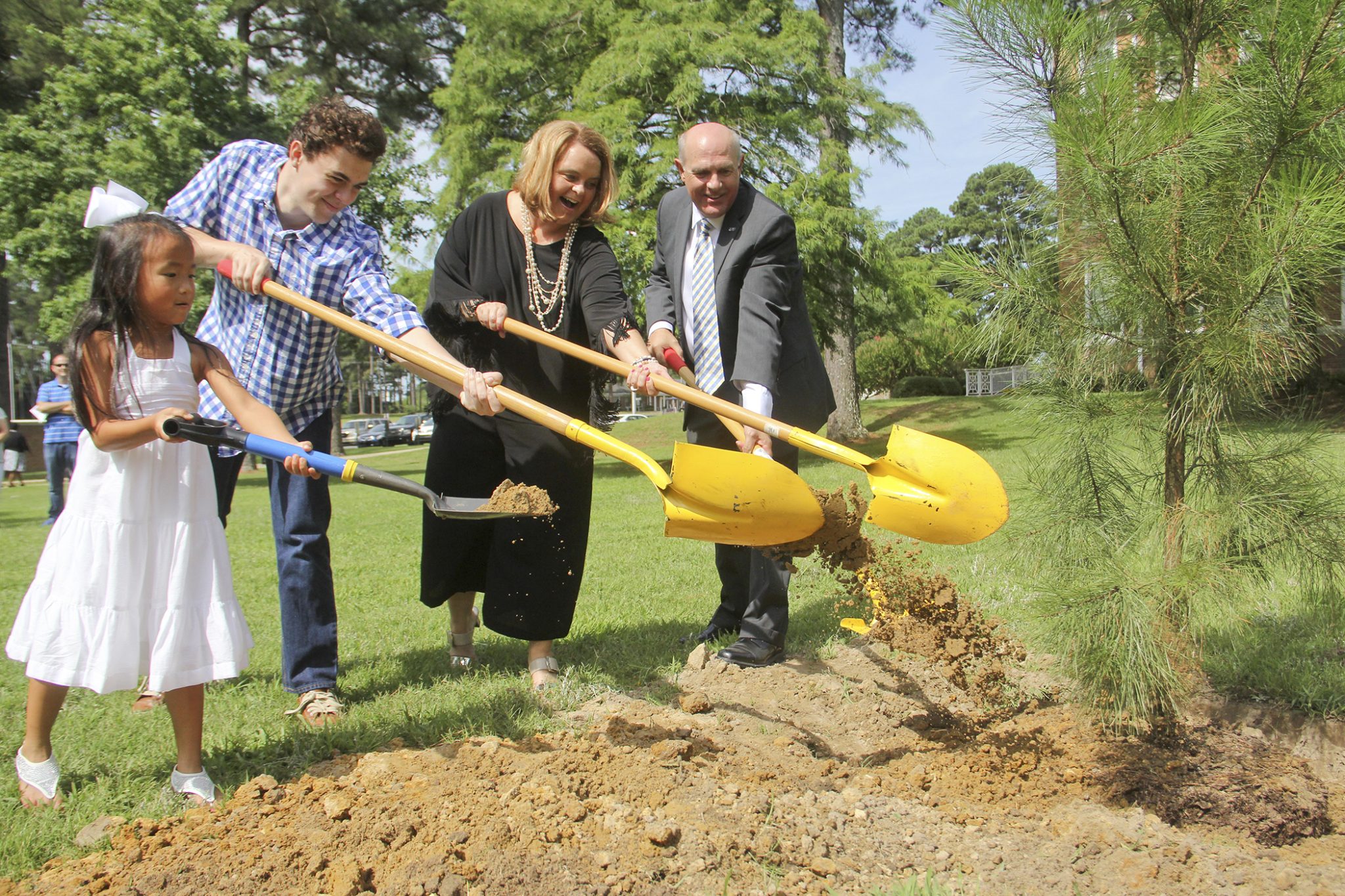 Lone Pine Tree Planting Ceremony |
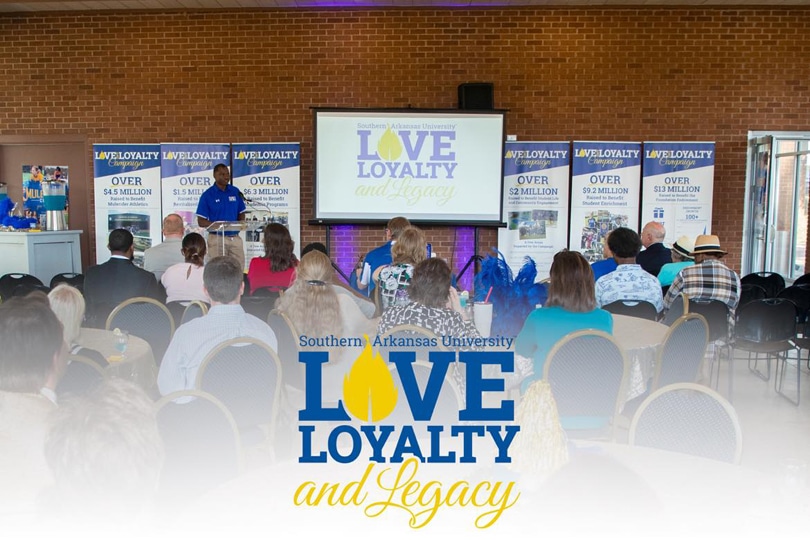
In October 2016, Dr. Berry launched the Love and Loyalty capital campaign, setting a goal of $22.275 million. Upon its completion five years later, the effort had amassed $29.7 million for faculty endowments, student scholarships and travel, student life programs, community engagement initiatives, athletics, and building renovations. Dr. Berry continued the established policy, accelerated under Dr. Rankin, of formalizing fund raising and integrating it into the administrative structure.
 |
Art Horne and Jeanette Bismark served successively under Dr. Rankin as directors of development, a position soon hoisted up the organizational chart. Josh Kee in 2014 was appointed by Dr. Rankin to fill the newly created office of assistant vice president of advancement; in 2019 Dr. Berry promoted Kee to become the first vice president of advancement. Bismark continued as Director of the SAU Foundation, established in 1980 by President Harold Brinson, until her 2017 retirement.
 Art Horne |
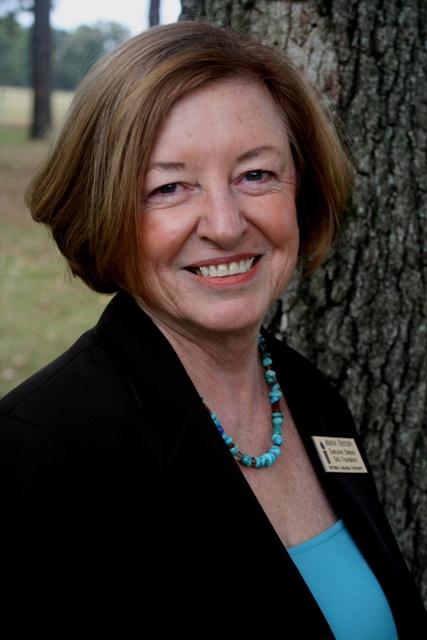 Jeanette Bismark |
 Josh Kee |
Due to his background in public history and state government, Dr. Berry soon after taking office began to take advantage of an overlooked source of revenue for capital projects. By early 2026, the Arkansas Natural and Cultural Resources Council (ANCRC) had awarded over $6 million in grants to SAU to restore and preserve a wide range of campus structures. Buildings and sites owned by state institutions and agencies were eligible for ANRC funding if listed on the National Register for Historic Places.
 |
The first campus properties placed on the National Register had been built in the 1930s with funds from federal New Deal agencies. Cross and Nelson halls as well as the Greek Amphitheatre were the oldest surviving institutional structures. In 2015, the ANCRC awarded money to rehabilitate the amphitheater, the council’s second SAU grant after a previous one for the Oliver Recital Hall. The largest portion by far of ANCRC funds flowing to SAU went to the refurbishment of four dormitories: Bussey (2021), Talley (2024), Greene (2025), Talbot (2026). Updating these older residence halls was as key to meeting the demands of rising enrollment as were the construction of the new ones in the same span.
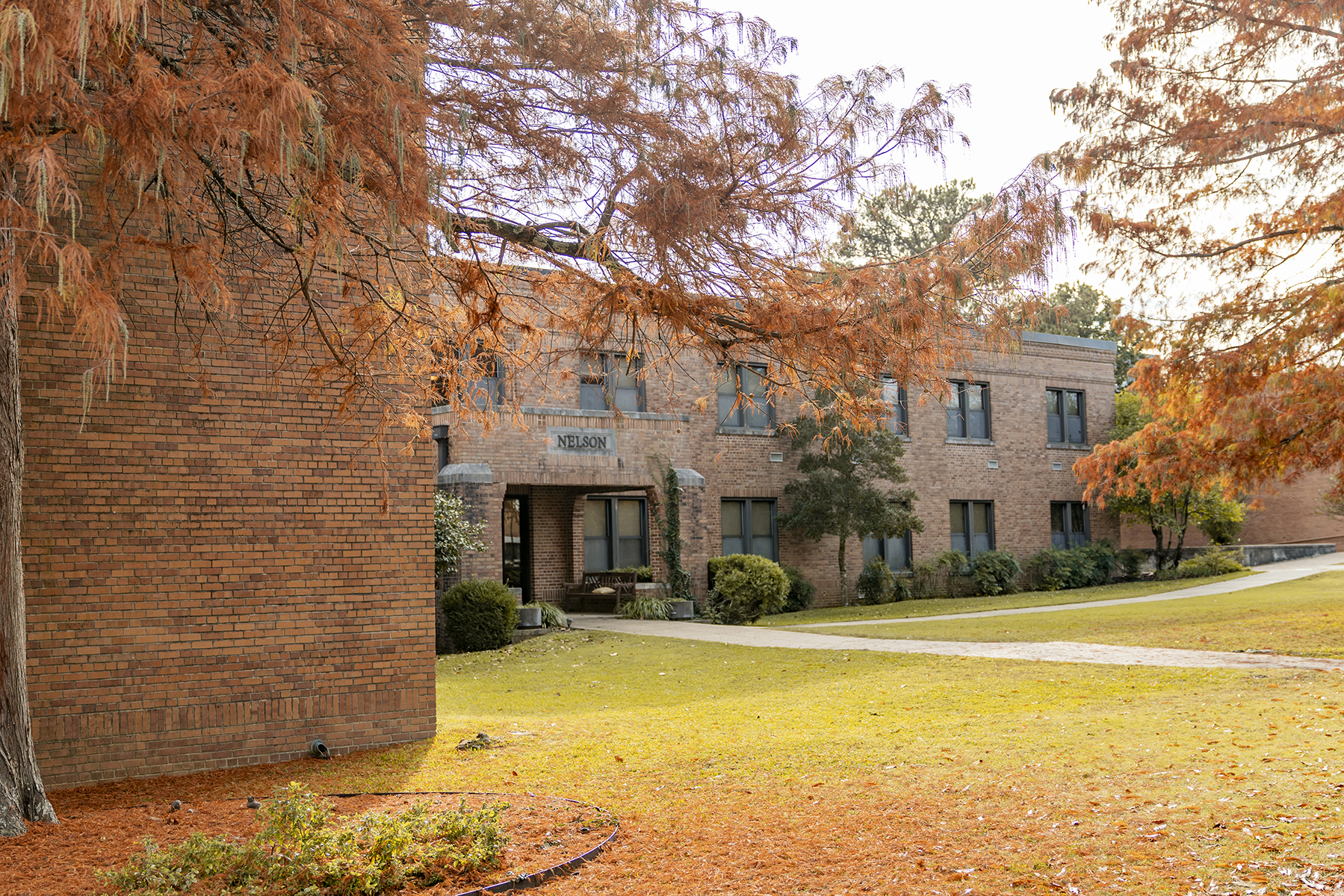 Nelson Hall |
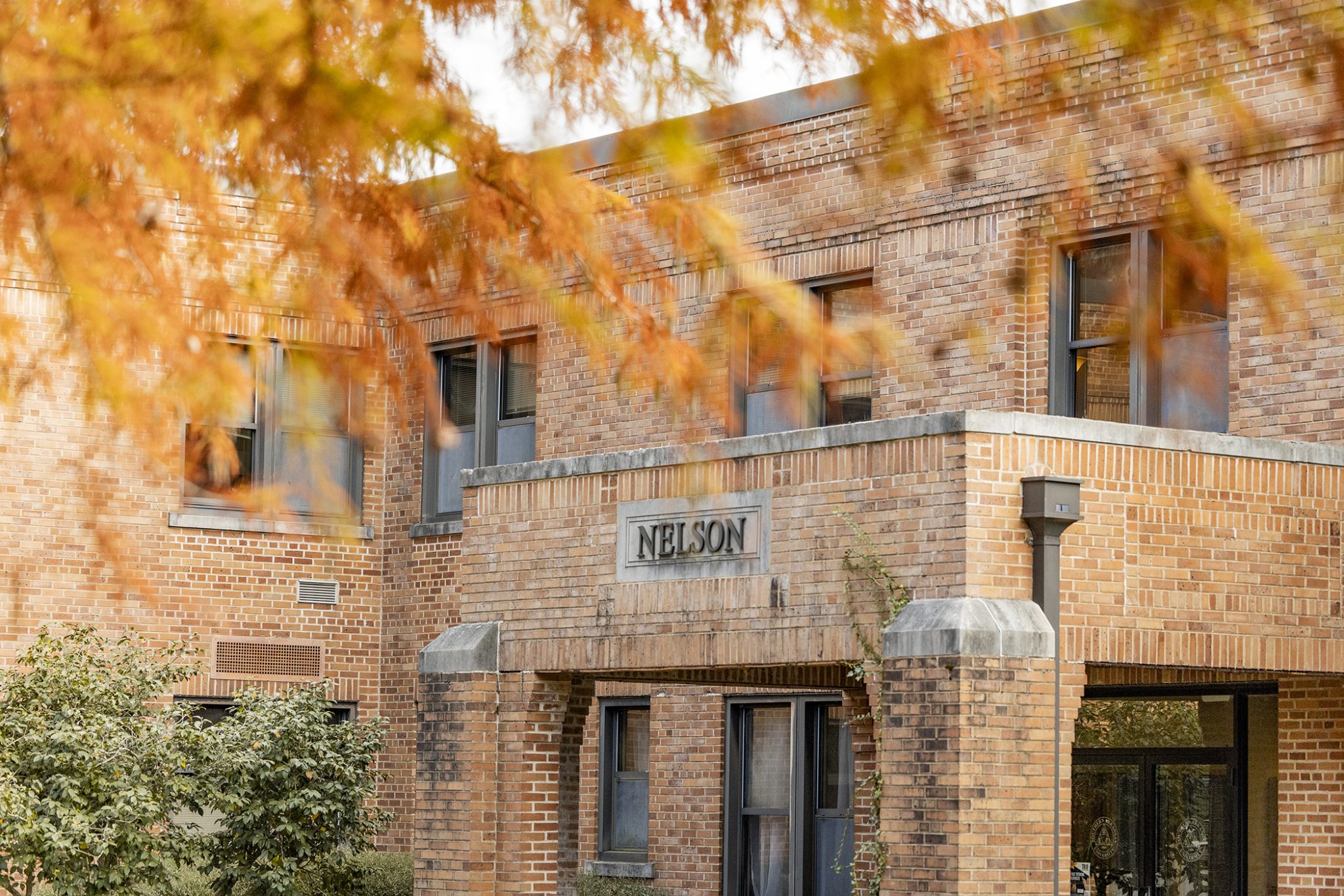 Nelson Hall |
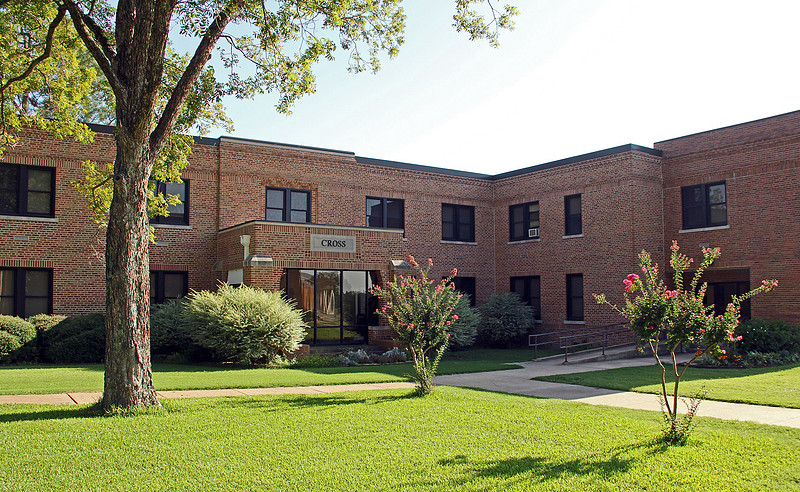 Cross Hall |
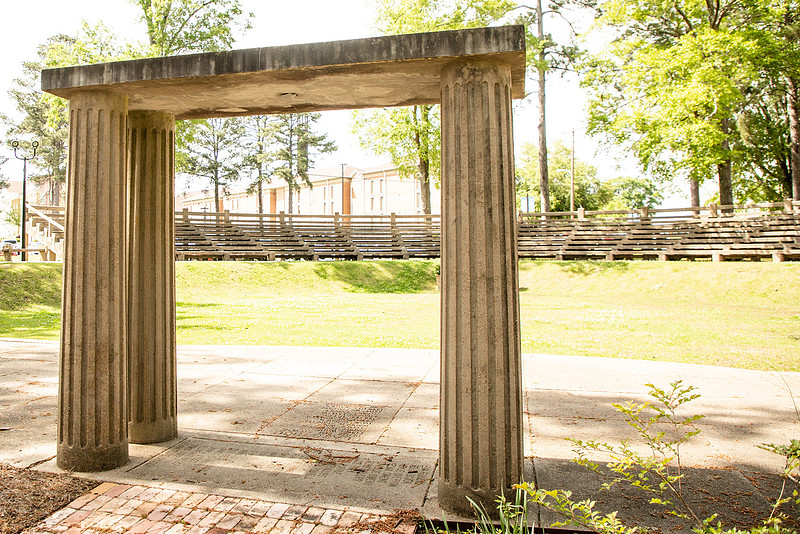 Greek Amphitheatre Today |
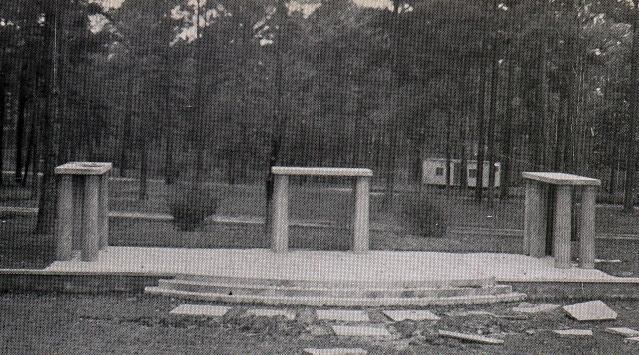 Greek Amphitheatre 1936 |
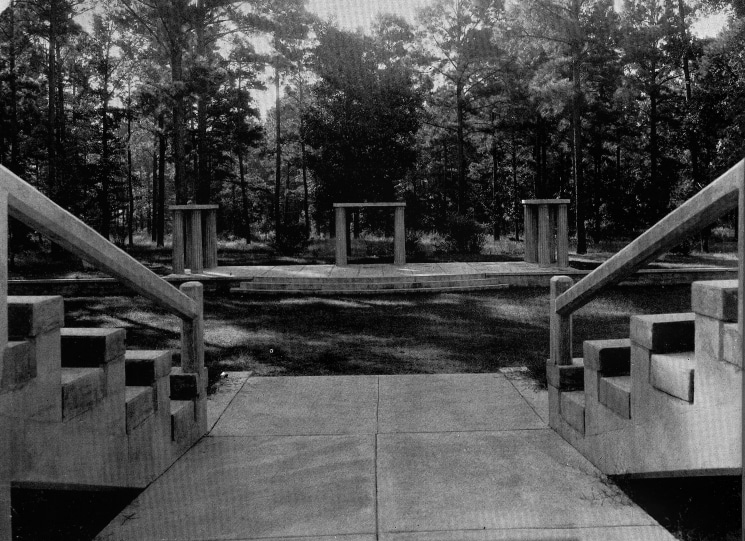 Greek Amphitheatre 1940 |
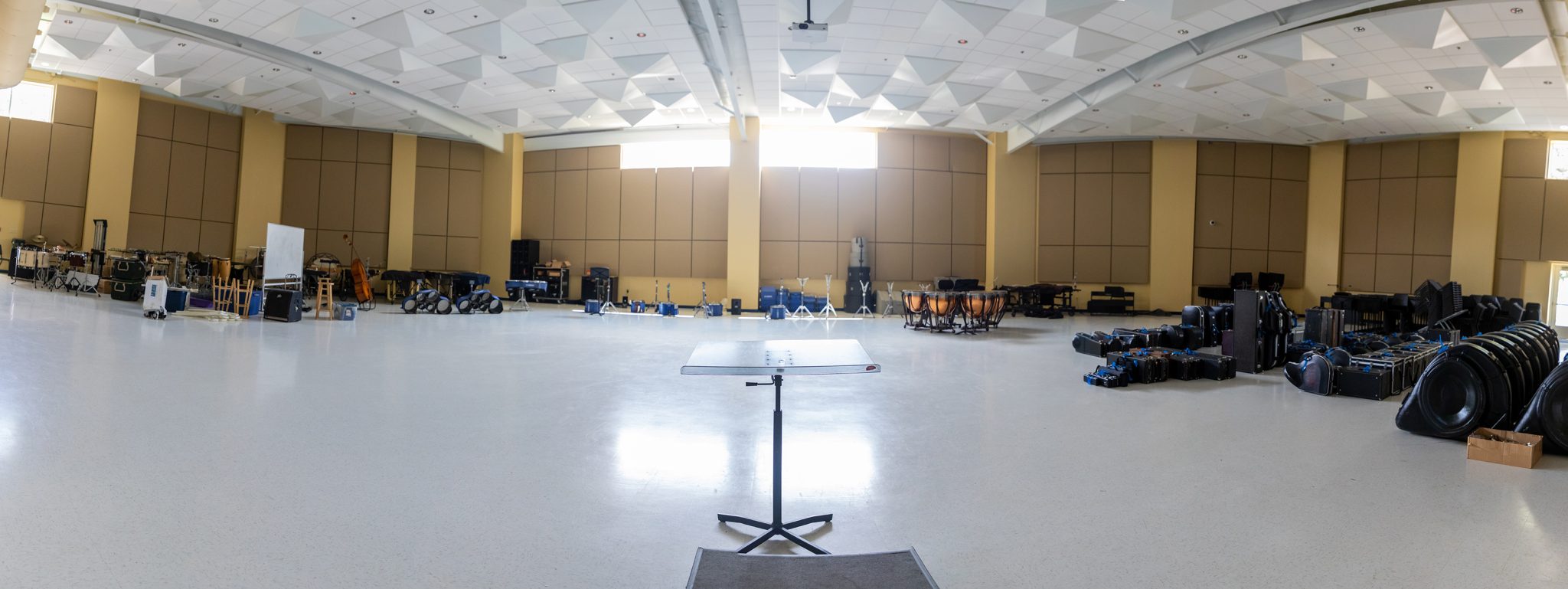 Oliver Band Hall Expanded |
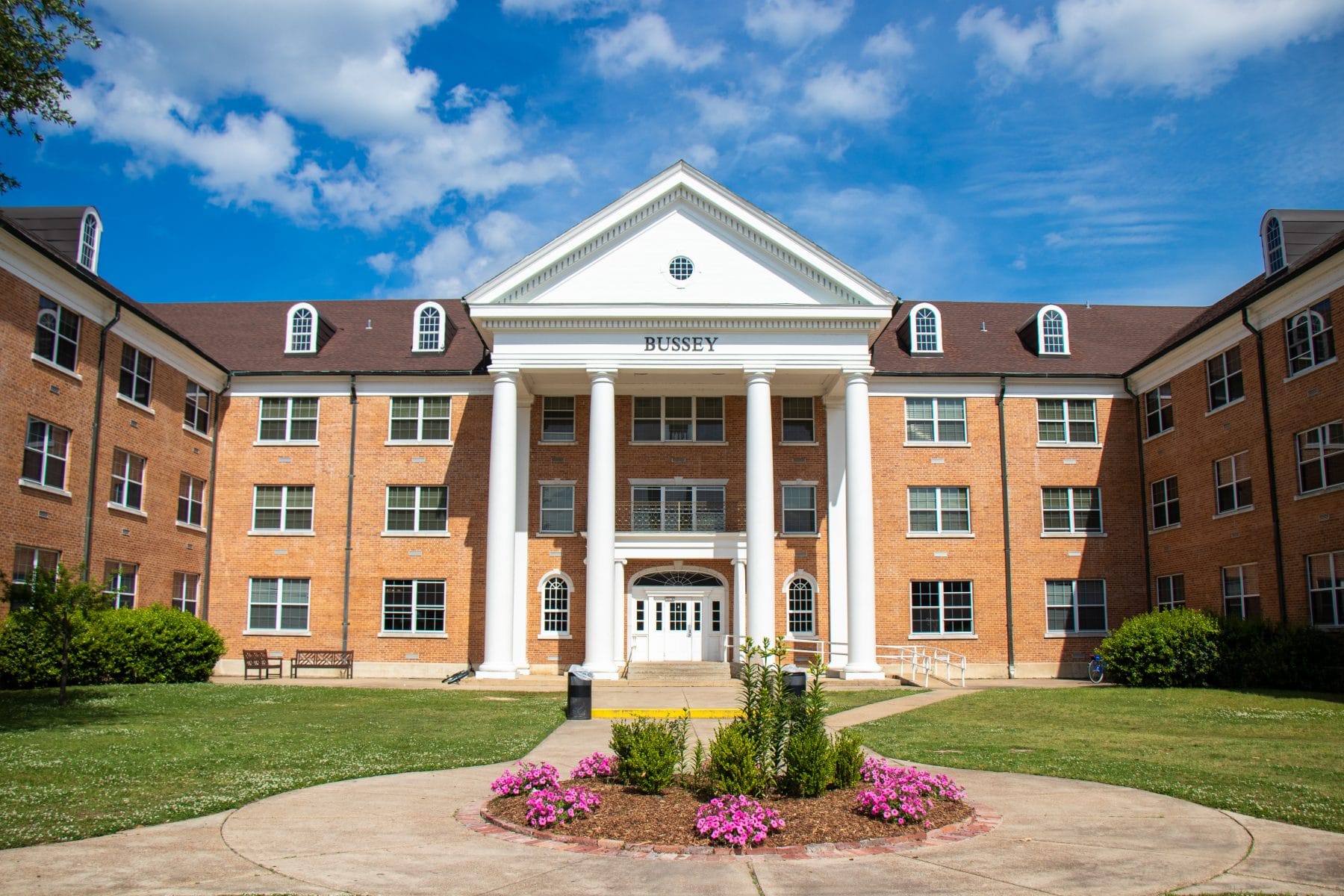 Bussey Hall |
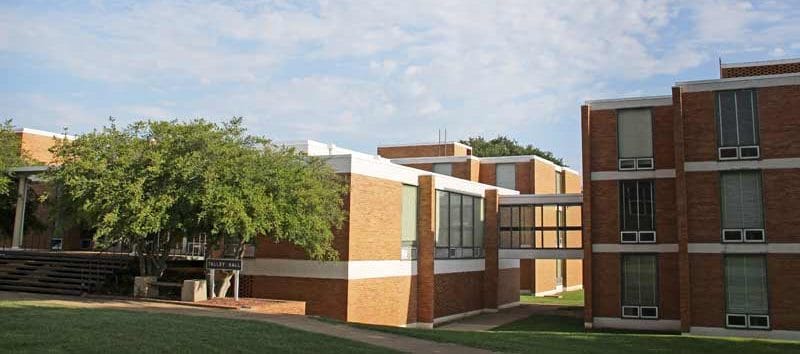 Talley Hall |
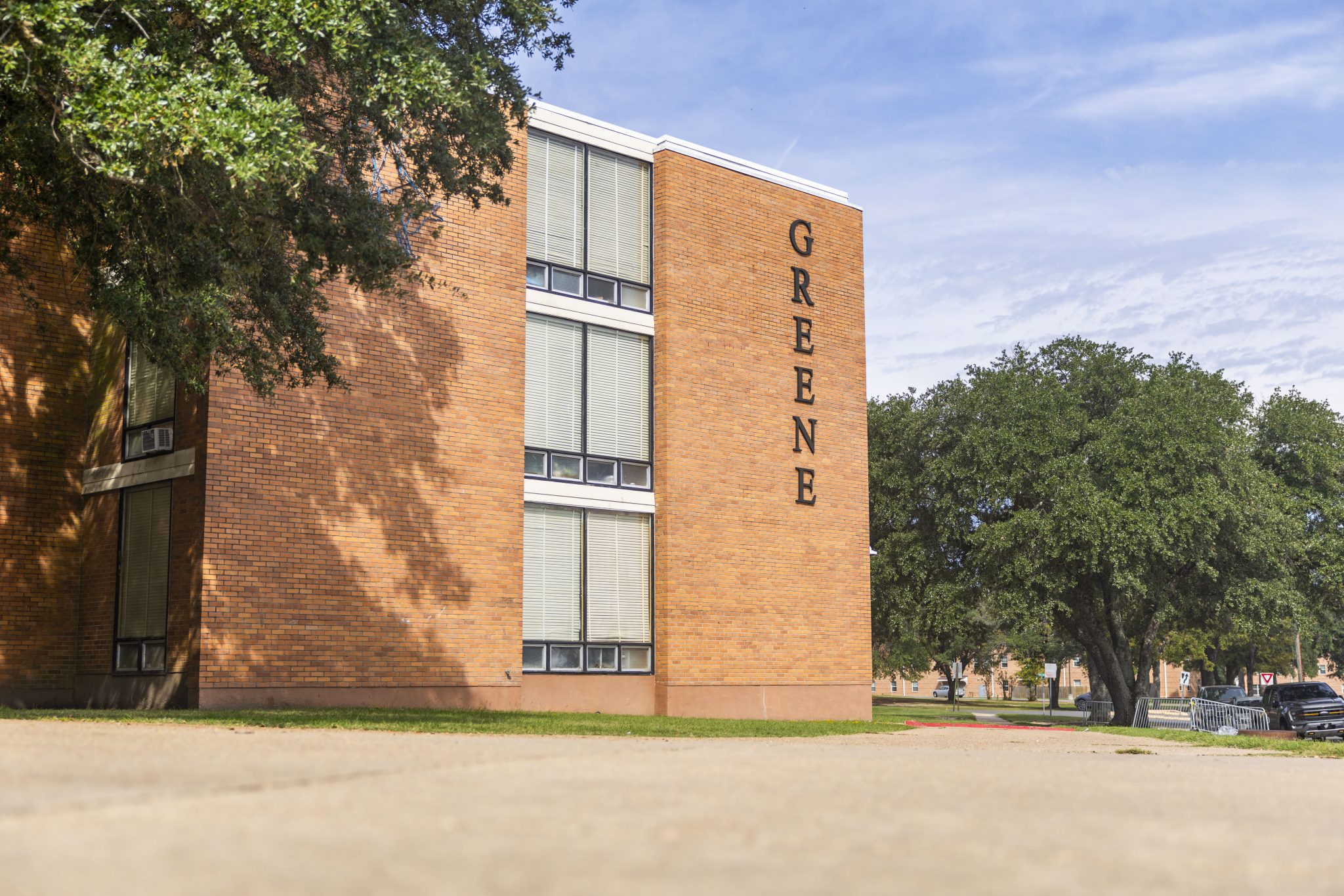 Greene Hall |
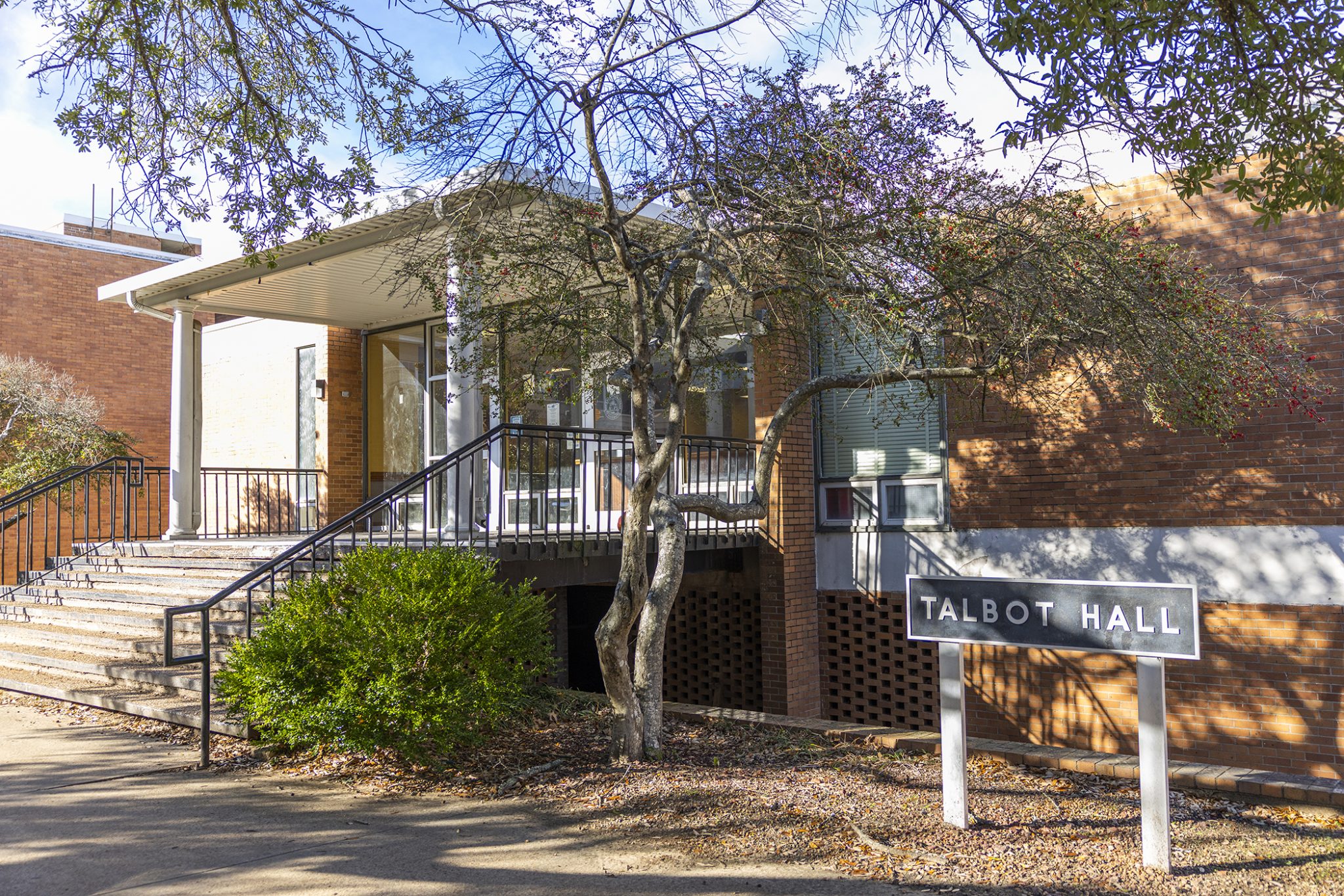 Talbot Hall |
The ANCRC essentially financed the creation of the Alexander-Warnock Historic Farmstead and Learning Center. SAU oversaw the relocation of the farmstead’s three historic structures beginning with the Ozmer House (1883), followed by the Alexander-Warnock House (c. 1853-55) and Mt. Prospect Church (1886) to an area near the Agricultural Center. All three were already on the National Register when moved. At the farmstead dedication in 2020 Molly Harsh Burns, speaking on behalf of the Alexander and Warnock family, recounted the lives and contributions of the original residents. Stacy Hurst, who headed the state Department of Parks, Heritage and Tourism, observed during the ceremony that “these historic structures are not only beautiful but instruct on life in rural Arkansas.”
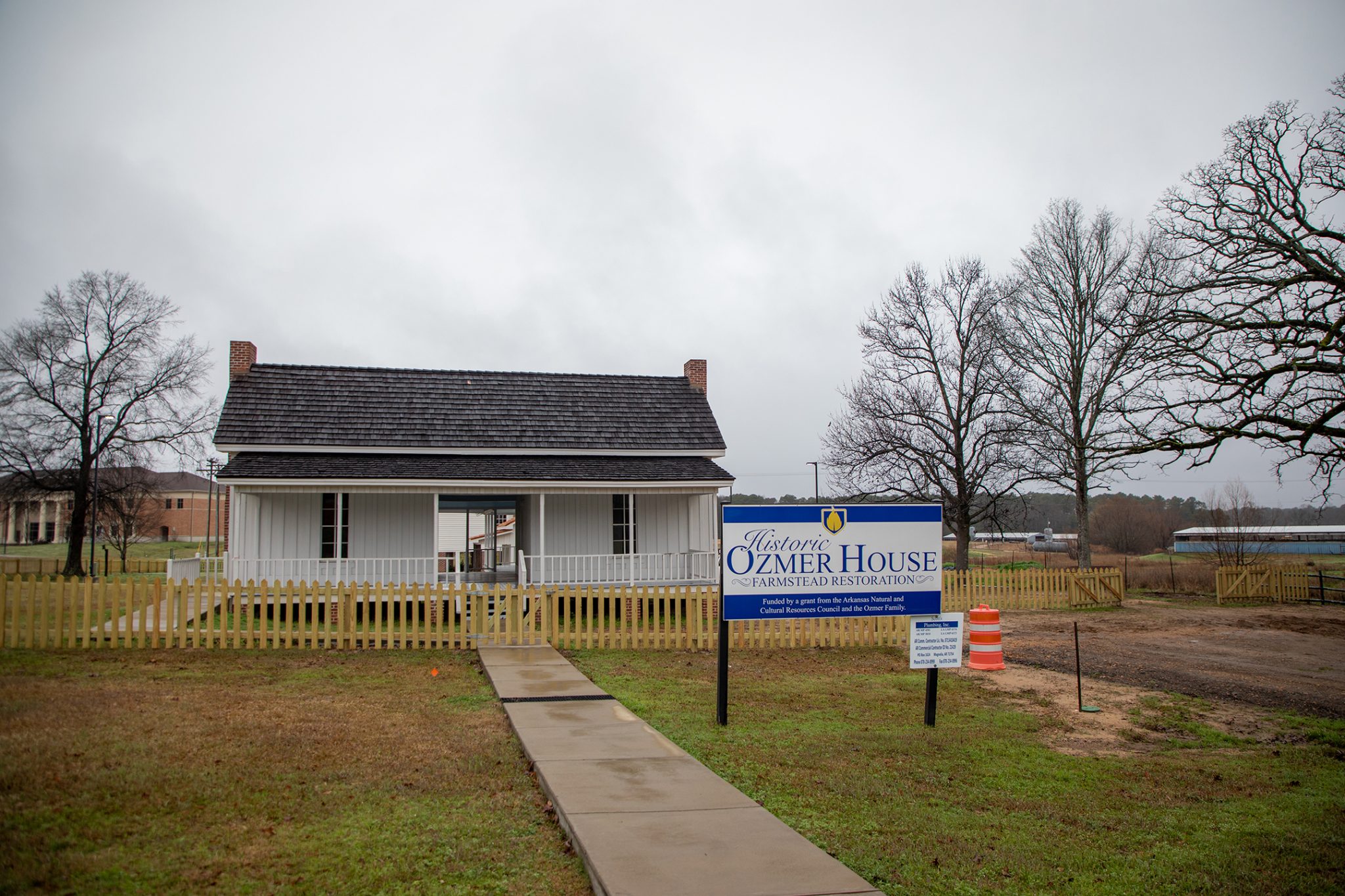 Ozmer House |
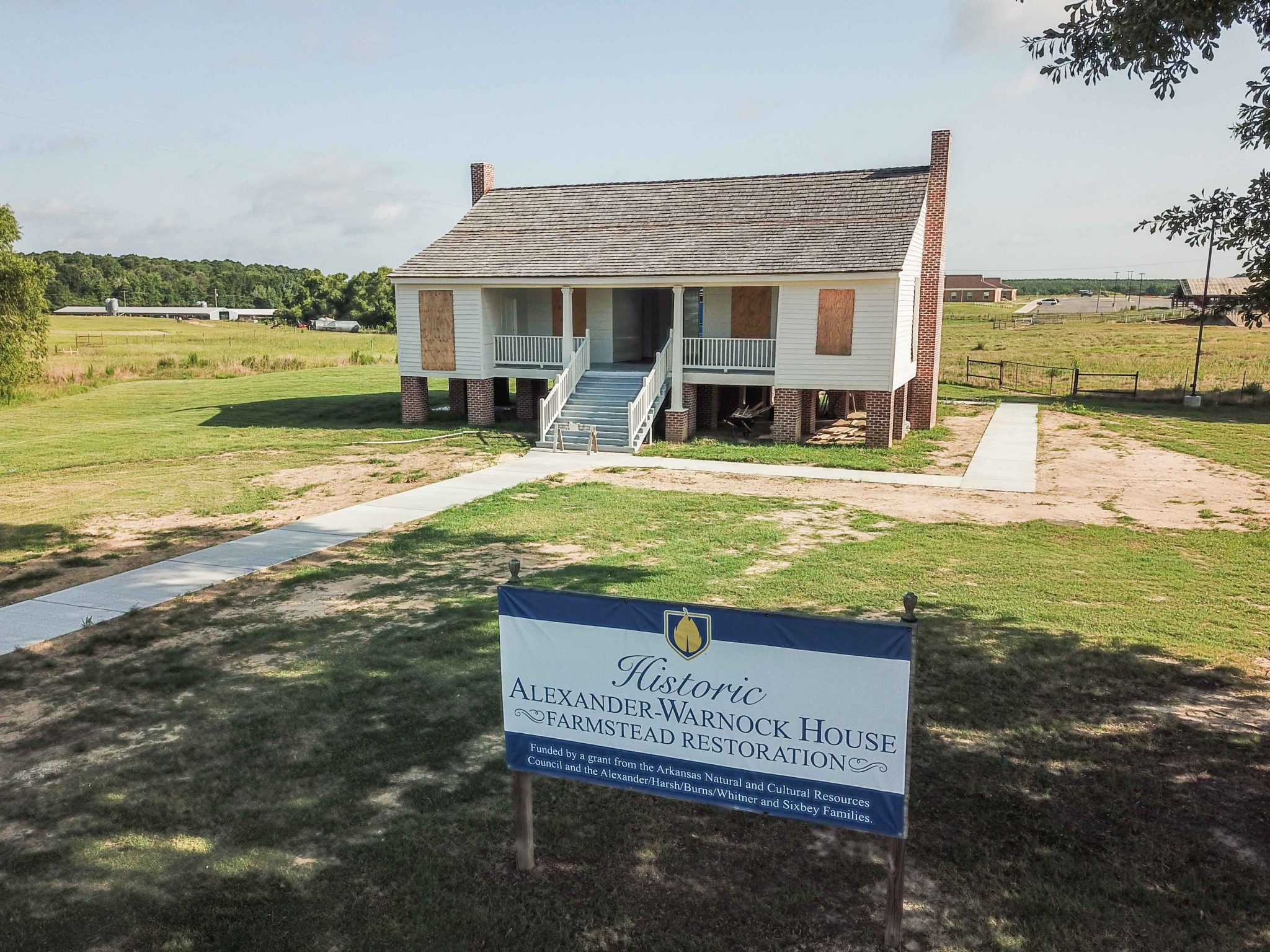 Alexander-Warnock House |
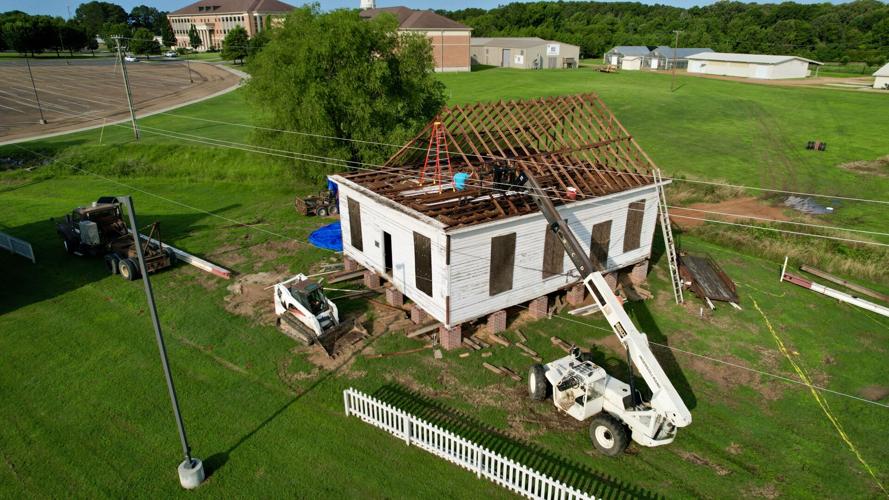 Mt. Prospect Church |
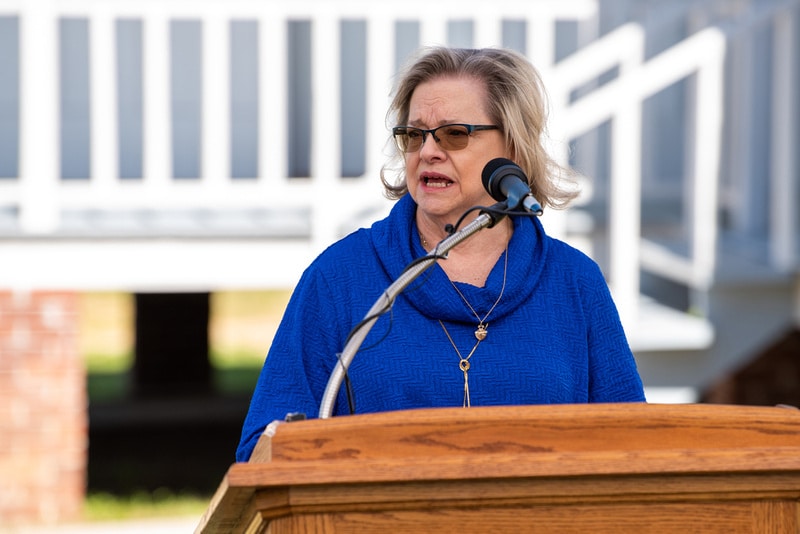 Molly Harsh Burns |
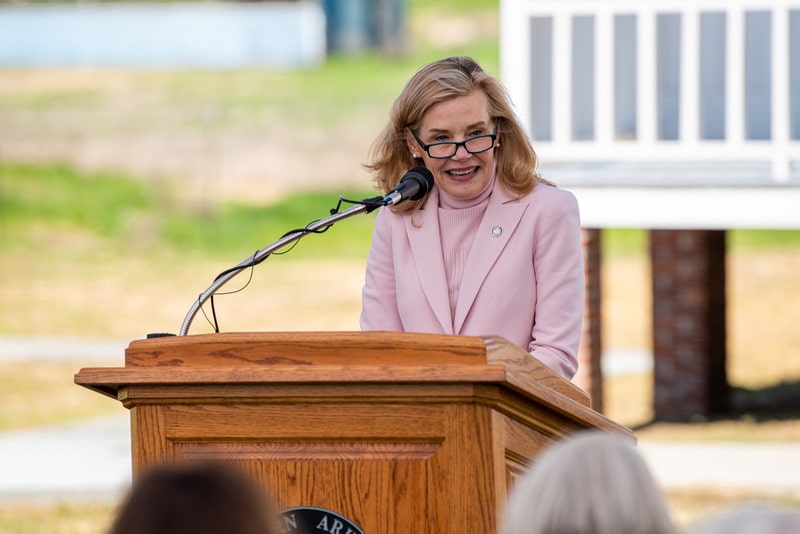 Stacy Hurst |
In 2024, Laura Ann Winning, chair of the Board of Trustees, announced that Bruno Hicks would become the 16th president of SAU. Although the new leader in contrast to Dr. Rankin and Dr. Berry had no prior connection to the university nor Arkansas, Winning in her introduction pointed out that his background and experience meshed well with the university’s identity. “The knowledge Dr. Hicks gained on his family farm, which is still operational, further aligns him with SAU’s agricultural roots.”
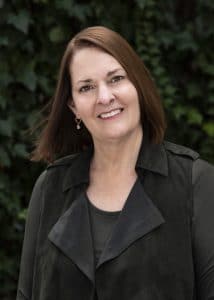 Laura Ann Winning |
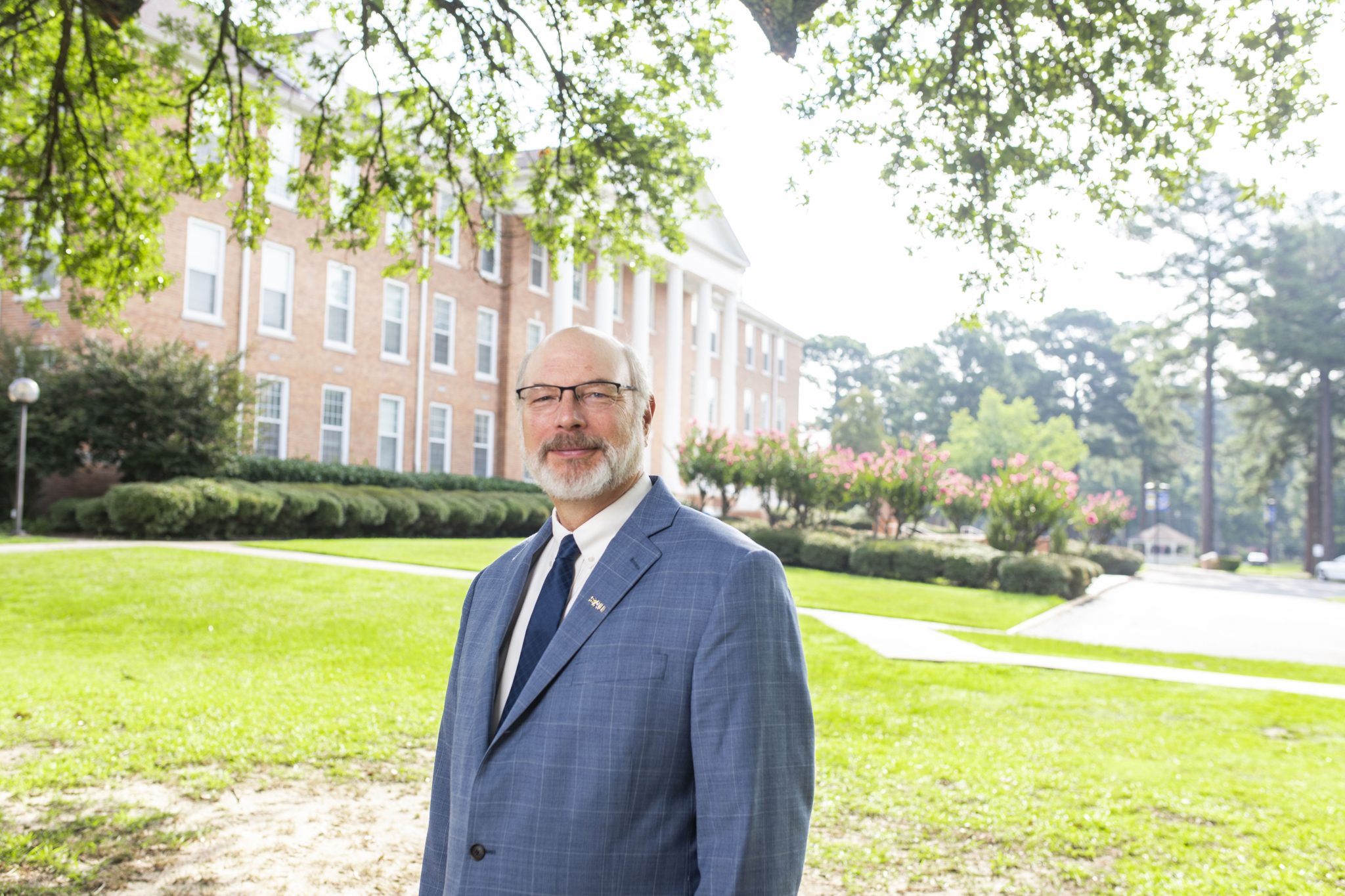 Dr. Hicks |
Dr. Hicks assumed office June 17, 2024 roughly eight months after Dr. Berry revealed he was leaving to become the chancellor of Henderson State University. A native of Maine, the new president had been provost at Dalton State University (Georgia) after serving as the founding dean of the college of education at Fitchburg State University (Massachusetts). Not surprisingly for one with advanced degrees in environmental and experiential education, Dr. Hicks understood that the historic farmstead along with the strong university agricultural programs stood out as a distinctive resources.
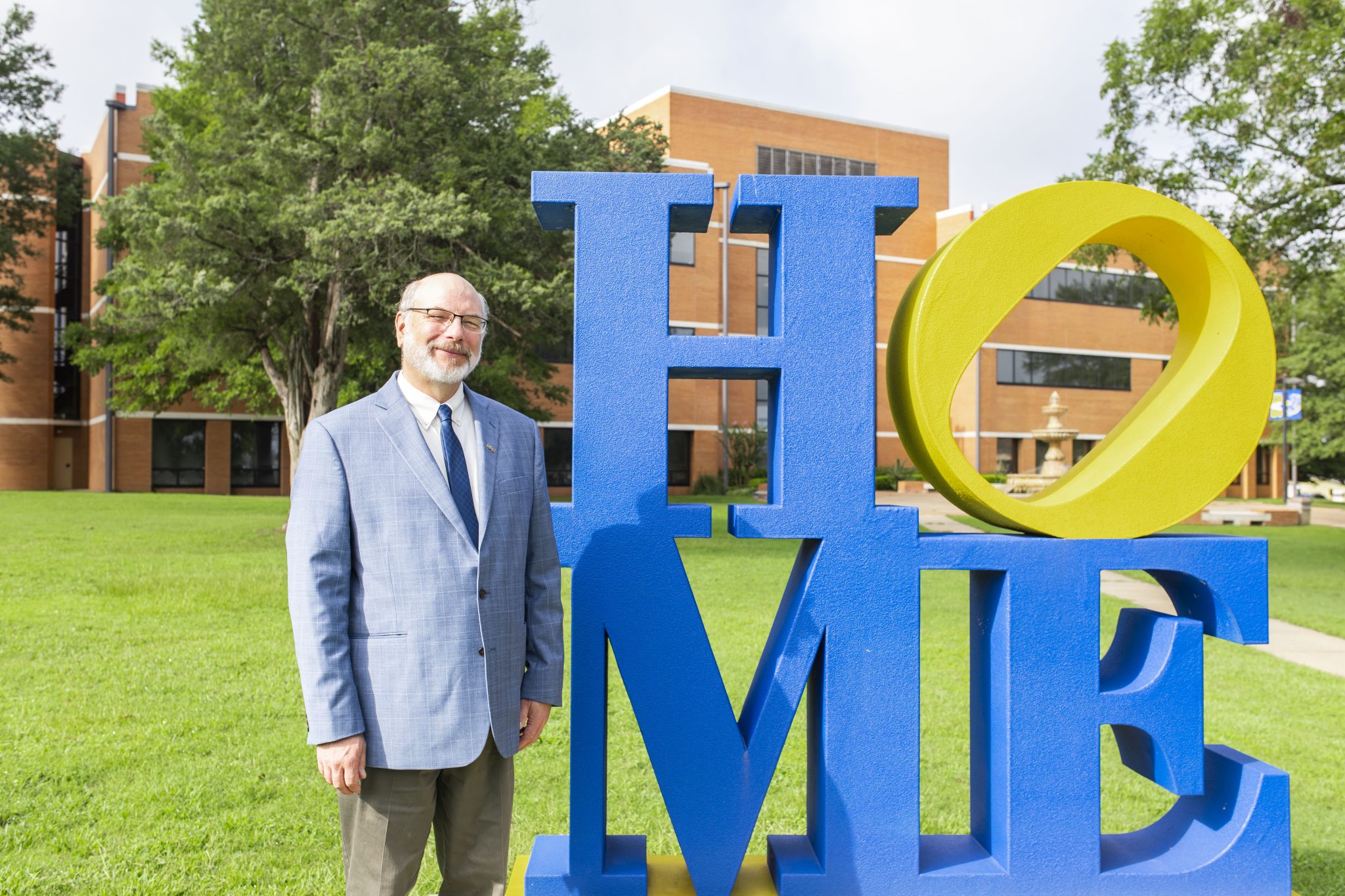 Dr. Bruno Hicks |
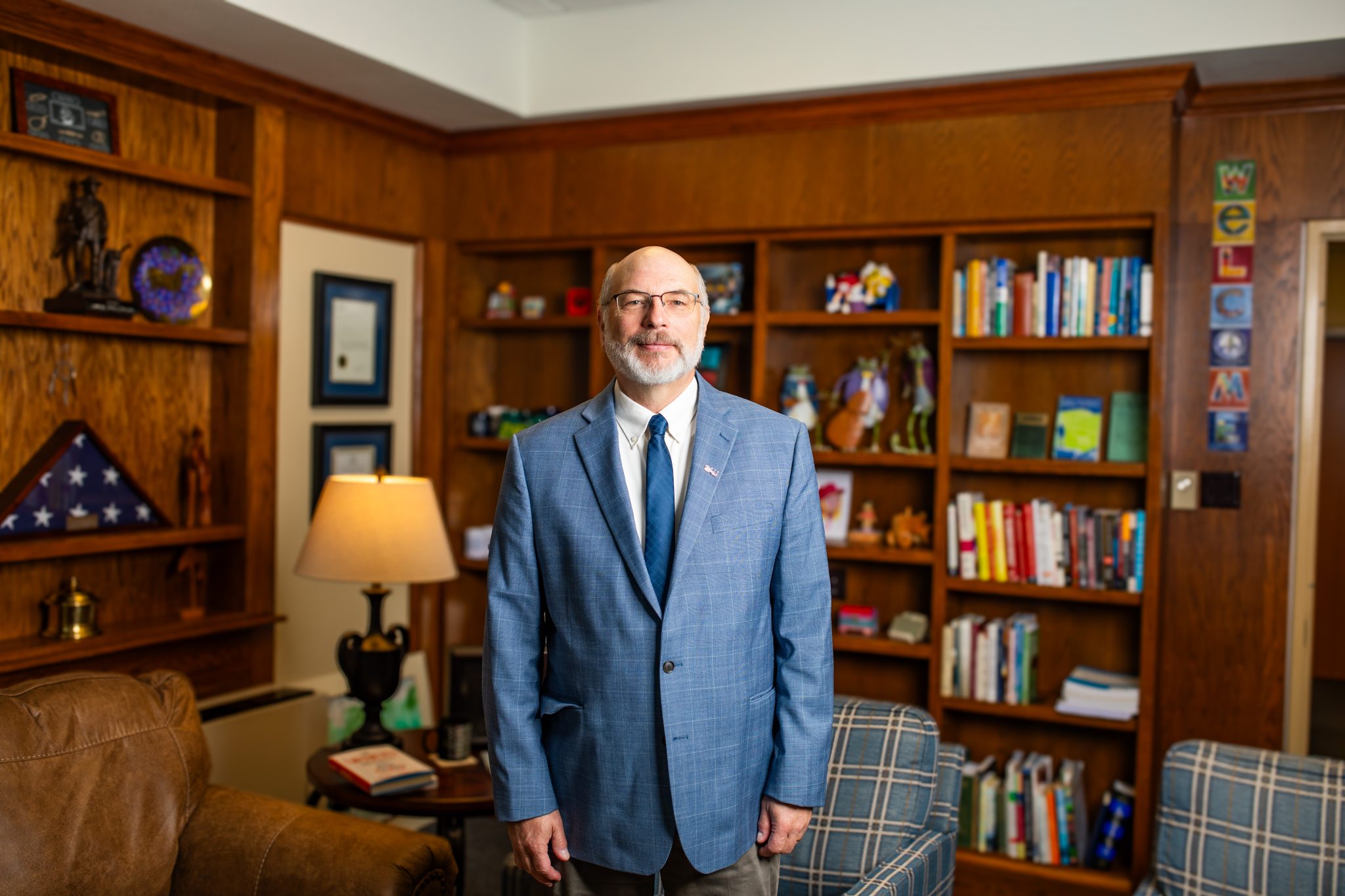 Dr. Bruno Hicks |
 Dr. Bruno Hicks |
In April 2026, Dr. Hicks detailed at the SOAR Sustainability Conference in Magnolia how the “Mulerider Farmstead” would serve as nexus for a variety of initiatives that promoted sustainability. The new initiative included outreach to high school students unaware of the span of agricultural careers as well as internships and workplace experiences for current students. He also anticipated that SAU could raise its profile through marketing its farm and garden products, expanding food donations, and developing ways for the local residents to acquire seasonal products.
“We’re trying to make agricultural tourism an economic driver and a cultural attraction, and cultivate business partnerships for innovation,” explained Dr. Hicks.
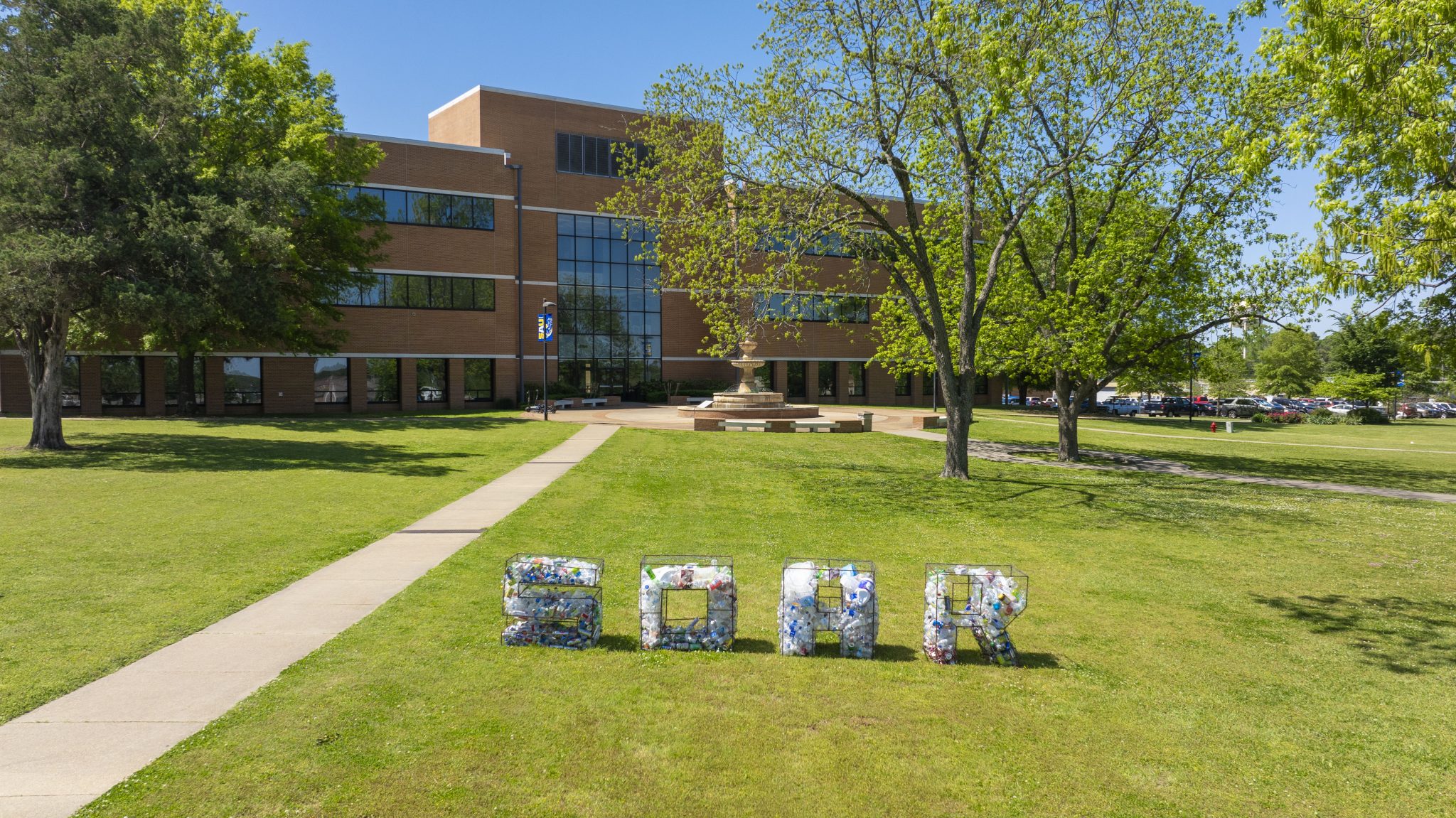 Soar |
State Budgets, Productivity Measures
The early 21st century presidents pursued their singular but complimentary visions in the face of declining state government support for Arkansas higher education. The administration, staff, and faculty, as had their counterparts in earlier eras, built upon SAU’s signature model of self-reliance through adaptability, ingenuity, and prioritizing student well-being.
The 2025 report on higher education finance from the State Higher Education Executive Officers Association noted that state appropriations per Full-Time Equivalent (FTE) students in Arkansas was 67 percent of the national average. The state’s funding per FTE had declined nearly 28 percent between 2001 and 2025. Arkansas colleges were attracting more students to their campuses as public funding fell. In January 2025, the assistant director of finance for the state higher education division reported to the coordinating board, “Higher education is losing the battle with the combination of more students, less state funding and tuition rates that exceed inflation.”
SAU’s base funding level derived from enrollment levels set early in the century and did not reflect the rising student growth after 2009. Institutions with fewer students than SAU continued to reap larger annual state appropriations through 2026.
In 2011, the state legislature enacted a productivity model designed to pare the dependence on student head counts in favor of specific outcomes. The lawmakers stipulated a portion of colleges’ funding would be based upon awarding more degrees and certificates, improving retention, and boosting the number of students completing science, technology and math programs. In 2013 SAU earned the highest score on the productivity index, a pattern that continued even after the governor and legislature set aside the 2011 measure and required the state higher education agency in 2017 to develop a new productivity formula.
While this funding component was a welcomed segment of state revenue, SAU’s enviable record in meeting performance criteria did not belie the need to steady its budget through tuition increases. The rise in tuition tracked the university’s enrollment surge and sliding public revenue. In 2014 tuition and fees amounted to 54 ½ percent of SAU’s Educational and General Expenditures, a proportion that climbed in 2024 to 70 percent. Only Henderson State among Arkansas institutions relied more fully on this income source.
Students From Near and Far
The university’s success in retaining a growing number of its own students both bolstered its productivity ranking as well as contributed to the steady growth in enrollment. In 2019 and again in 2021 SAU recorded its highest percentages since 2009 in the freshman cohort one-year retention rate.
Student Affairs created and expanded tutoring and counseling programs as well as sponsored undertakings that permitted students to connect their education to community service. Donna Allen, vice president of Student Affairs, was the retention coordinator for the university. The appointment of the first professional academic advisors in each college in 2016 complimented the mission of the Advising Center that had guided new students since the 1990s as they grappled with choosing majors and heeding university procedures.
 Dr. Donna Allen |
This productive collaboration between Student Affairs and Academic Affairs was also evident in the revamping of developmental education and the establishment in 2011 of the Division of Developmental Studies, later renamed Transitional Studies. Students were less likely to be hampered in their progress by non-credit transitional courses as a result of innovative scheduling and dual enrollment in credit classes.
The university was designing structured programs to improve services that had previously depended upon the interest and talent of individual employees. In the case of retention, the goal was to overcome barriers that kept students from timely graduation. In a 2025 report, the Arkansas Division of Higher Education noted that the graduation rate of students entering state public institutions in Fall 2020 reached the highest level recorded by the agency. Among Arkansas universities, SAU mustered the greatest percentage improvement.
The university broke through the 5,000 student enrollment level for the first time in Fall 2022 and did so again the following year when a record 5,127 students chose SAU. This rise was a steady though irregular climb from the 2009 total of 3,225. The raw numbers also revealed shifts in student backgrounds.
In 2009, two-thirds of the in-state students came from three counties: Columbia, Union, and Ouachita. University policymakers understood that the notable population declines in nearby localities required a well-ordered campaign into untapped frontiers. The expansion of Enrollment Services included the stationing of recruiters outside Southwest Arkansas.
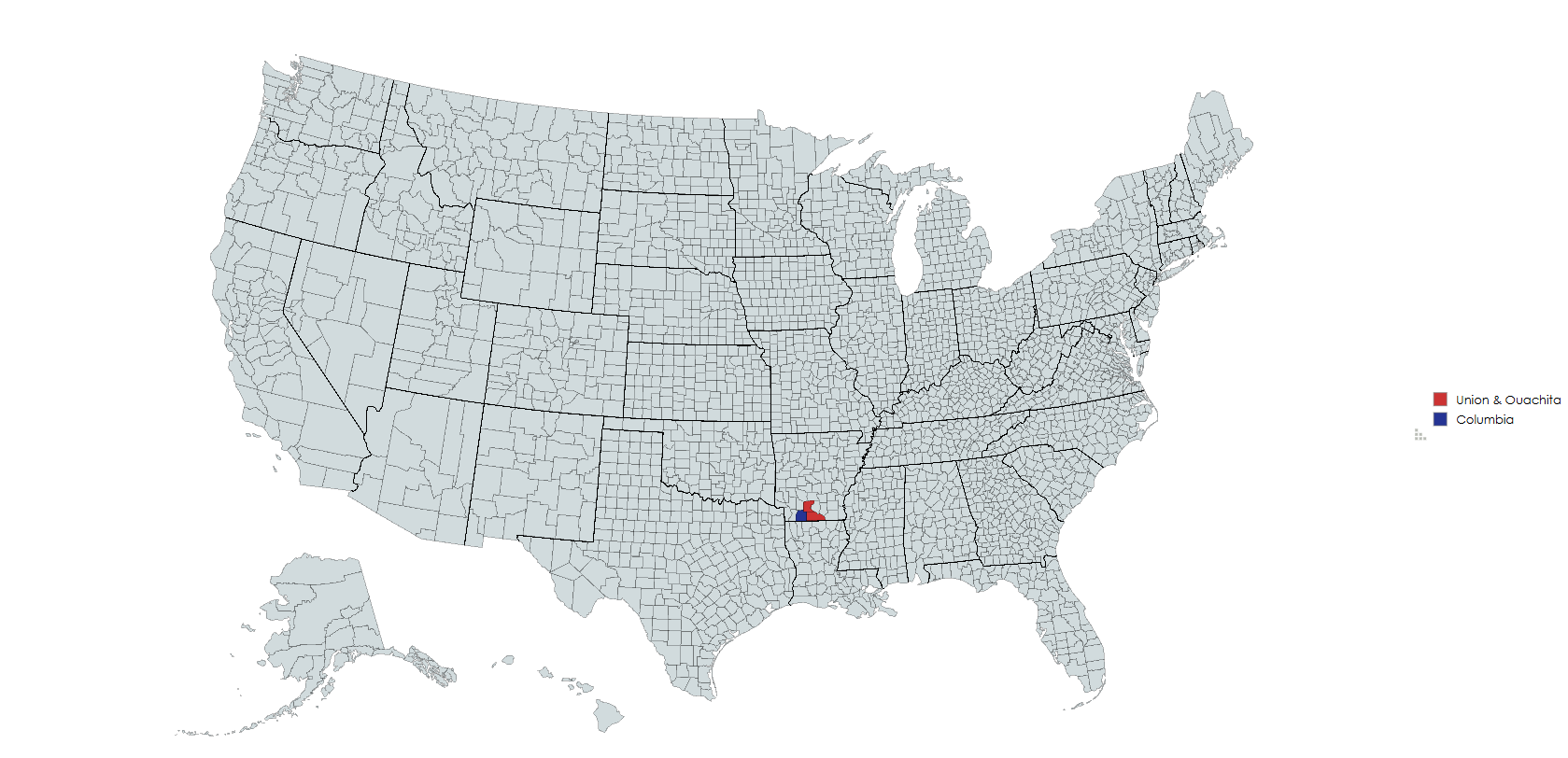 |
By Fall 2024, SAU attracted students from all 75 Arkansas counties in contrast to the 56 that the 2009 enrollees called home. The out-of-state student population represented 13.5 percent in 2009 but was nearly 18 percent by 2023. In that same year, the proportion of students from the three core counties that had for decades supplied the majority of Arkansas Muleriders shrunk to little more than a third.
The students who arrived from other nations were a striking indication that the transformation of SAU went beyond buildings and curriculum. The 966 international students on campus in 2023 would have been viewed as an improbable contingent in 2009 when 107 students from abroad, overwhelmingly from Nepal, registered for the most part in undergraduate classes.
The recent foreign nationals hailed predominately from India and were concentrated in the masters of computer science program. Their arrival did not occur in incremental stages but as a sudden, unexpected cascade. In Fall 2014 the international student population stood at 178 before rocketing to 670 the following year. The numbers of these enrollees hit 1,153 in Fall 2015, altering at least temporarily the historic degree pattern. In both 2016-2017 and 2017-2018 the university awarded more masters than bachelor’s degrees but reverted to form in subsequent years.
Prospective students from outside America were discouraged by the policies and rhetoric of the first Donald Trump administration (1917-1921). Universities throughout the nation felt the chill of sliding international enrollment. SAU shivered from a plunge that mirrored in reverse the original burst of international enrollment. By Fall 2020, only 173 foreign nationals were enrolled even as the overall SAU enrollment held steady in this first and most disruptive year of the coronavirus epidemic era. In Fall 2022 a second swell of students from India revived this demographic at SAU though not quite to earlier levels.
Weathering the Coronavirus Outbreak
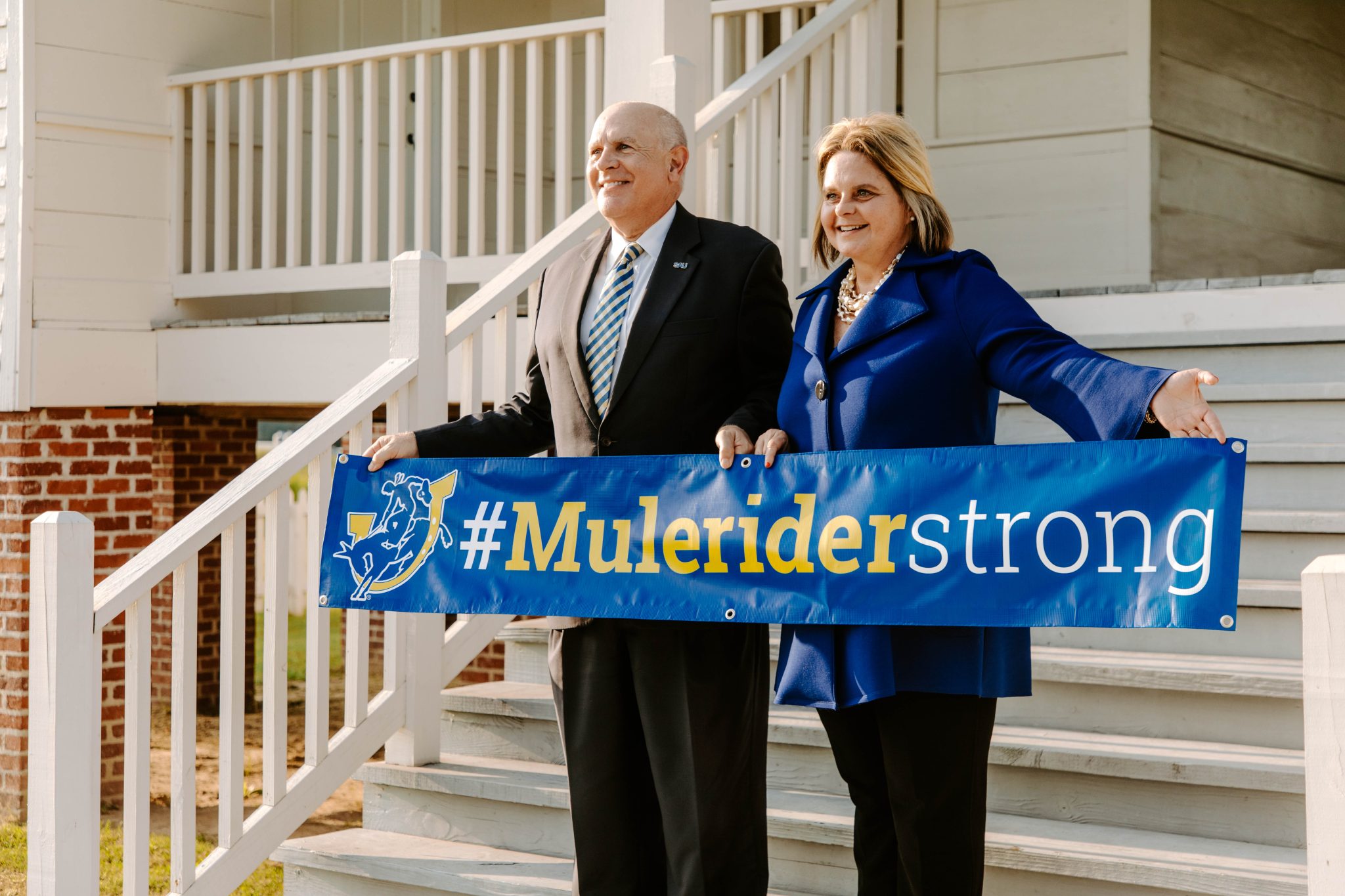
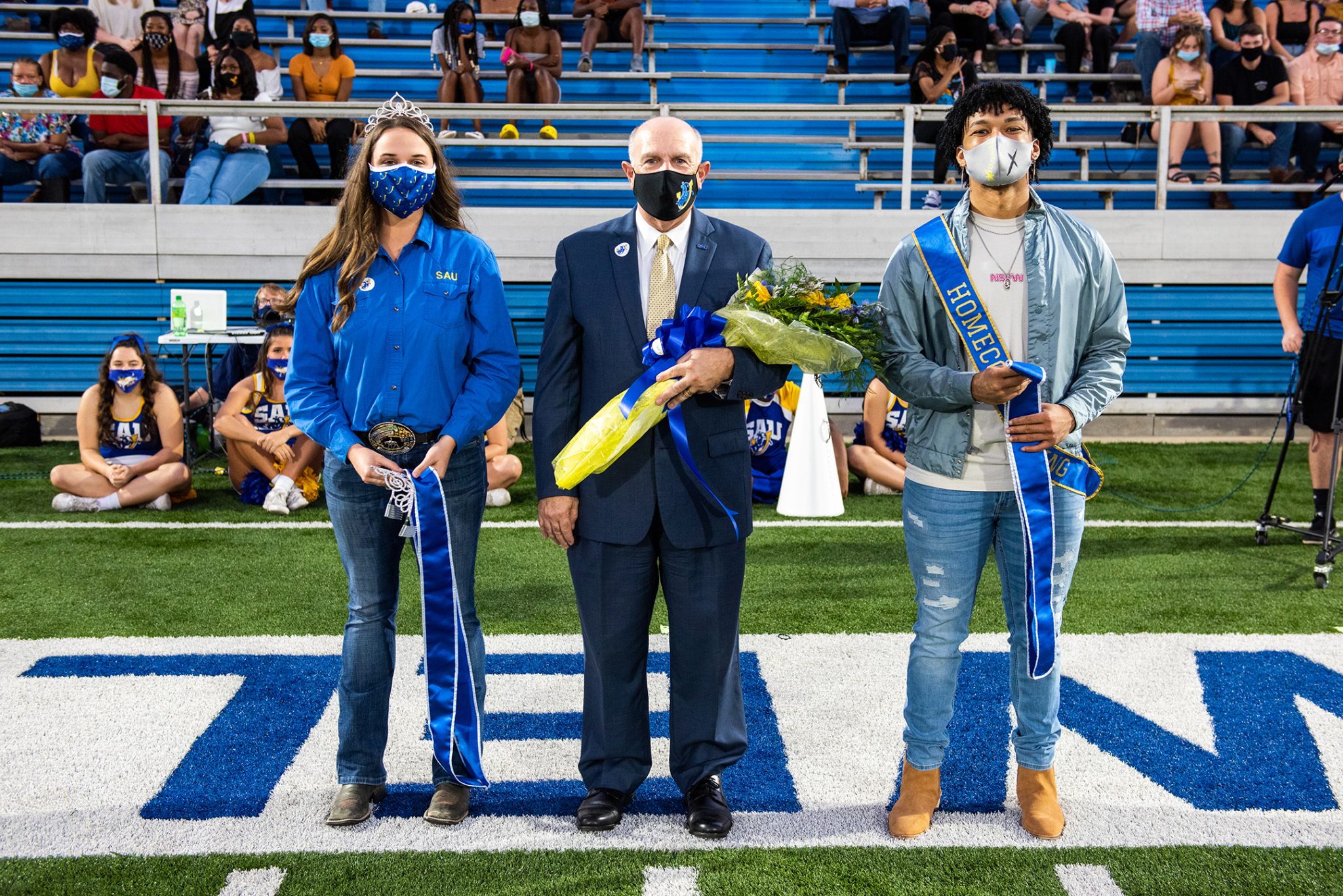
In July 2020, Dr. Berry declared, “This year will be like no other in our history, but we are in this journey together.” He continued, “Now is the time for heroes. Now is a time for reaching out and caring for others.”
 Dr. Berry Covid Photos |
 Dr. Berry Covid Photos |
In March of that year, SAU essentially closed the campus, shifting instruction and operations online as the coronavirus outbreak ravaged the nation. Although Governor Asa Hutchinson mandated the return of face-to-face classes in K-12 schools for Fall 2020, he allowed higher education institutions to decide whether to continue remote delivery exclusively. In early May 2020 nearly all state-supported colleges and universities, including SAU, announced their campuses would reopen to students in the fall. SAU was the first to welcome students back to campus.
Dr. Berry by this point had already appointed representatives from the various sectors of the university to the Risk Management Task Force. By mid-July, the task force and the University’s Reopening Committee had completed and posted online the 2020 Return to CampusGuide. The guide’s protocols offered health guidance for individuals, detailed adaptions in classroom practices along with student housing operations, and established the approval process for special events.
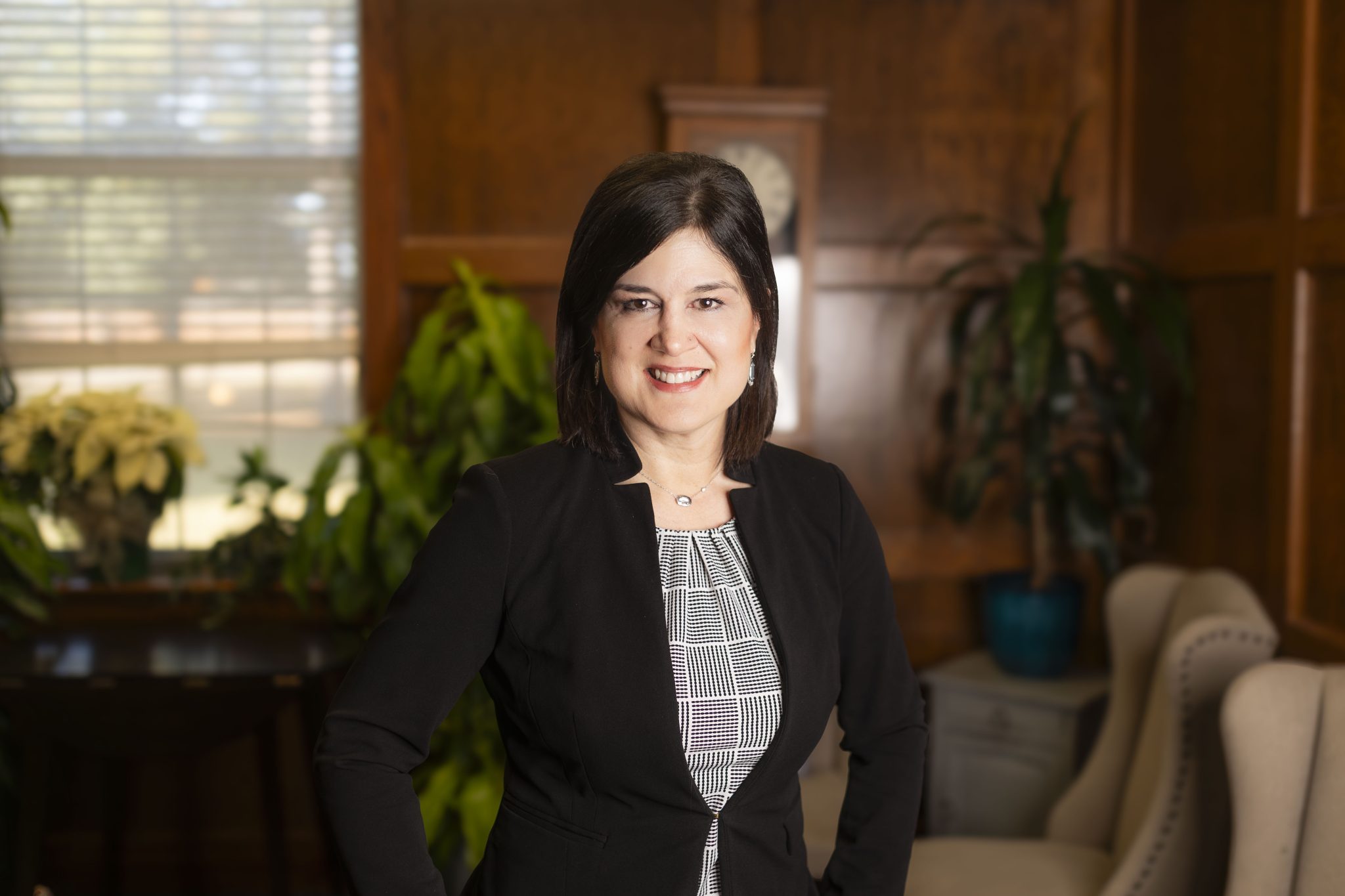
Faculty revised several courses to go fully online while managing others that allowed students to access remotely classroom presentations and discussions. Connie Wilson, an education professor who later became Vice President of Development, adopted a new virtual platform application that improved collaboration with and among her graduate students.
 Dr. Connie Wilson |
Not unexpectedly, students found ways to navigate the challenges arising from regulations adopted to mitigate covid spread. Tremayne Bell, a senior accounting major from Dallas, recounted that the shuttering of the Blanchard Business building study lounge took away a valuable space to complete assignments and confer with other majors.
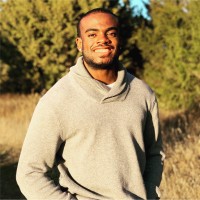 Tremayne Bell |
Fortunately, Magale Library had expanded its study areas through renovation and build-outs. The computer commons several years earlier had set up shop in the library. Bell explained, “I found Magale Library’s study rooms as an excellent substitute to study and learn effectively during this time.”
Numerous staff members not only carried out their customary duties in line with covid protocols but took on crucial tasks that protected the entire university community from the threat of a rampant illness. Nurses in the University Health Services (UHS) learned to operate the rapid testing machines, bolstering expedited treatment. Amanda Hanson, director of UHS, cooperated with Josh Jenkins, the manager of web communications, to construct a dynamic database system that kept tabs on the dispersal of the disease.
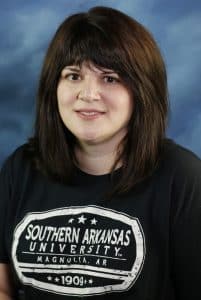 Amanda Hanson |
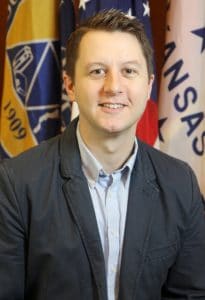 Josh Jenkins |
The housing staff compassionately assisted students in quarantine. These employees delivered meals and provided laundry services along with working with UHS to relieve symptoms of students who contracted the coronavirus. The residence staff also had first-hand knowledge on not only who came down with covid but the people with whom they had interacted. Sandra Martin, the housing director at the time, revealed that SAU was “ahead of many other universities in the state on contact tracing.”
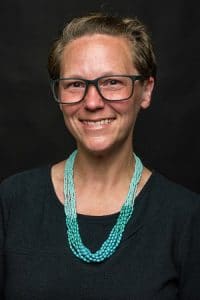 Sandra Martin |
The administration, staff, and faculty throughout this unparalleled academic year confirmed the university’s historic strengths of persistence, resourcefulness, and care for students. Or as Dr. Berry reflected: “What heroes we have. They have done everything imaginable to keep us safe.”
The digital tools that shaped life in ordinary times allayed the disruptions sparked by the epidemic. Covid would have imposed greater costs in an analog world.
Online Learning, Accreditation Tracks
The pre-21st century technological transition for SAU was a steady but cautious journey from the first mainframe in the early 1970s, through the availability of desktop machines in the computer commons, and the initial acquisition of a course management platform license. Individual faculty members in the first decade of the new century voluntarily created a number of the early online courses. These undertakings in turn raised questions about incentives to encourage the development of internet classes, ownership of content, and appropriate ways to evaluate the quality of these courses. While these issues did not swiftly yield policies, the arc into the future was evident.
A 2004 state higher education department report disclosed that the 19 online courses offered by SAU that fall only exceeded the total at two other Arkansas four-year institutions. On the other hand, the rate of increase from three courses taught in the previous year surpassed by far the other universities. The coordinating board that year approved SAU’s first online program, the M.Ed. in Elementary or Secondary Education. This decision made SAU one of the five out of the ten four-year Arkansas institutions that had secured authorization for distance learning programs. By 2006, the Nursing Department had streamlined the RN to BSN Completion track by adding online courses to assist returning professionals.
Although departments and colleges were making forays into the online universe, the university at the start of the 2008 semester had not implemented uniform procedures. An online learning web page, a check-list to determine if students were prepared for internet courses, and syllabi templates were among the missing elements.
Distance learning soon became another area in which traditional decentralization gave way to overarching policies produced by broadly representative committees. Kim Bloss, the dean of the Graduate School, Peggy Walters, the director of the Magale Library, and Kathryn Cole, the assistant director of the newly established Distance Learning/User Training and Support office, convened in January 2008 a “committee of the concerned” to identify the components that would solidify institutional support for online programs.
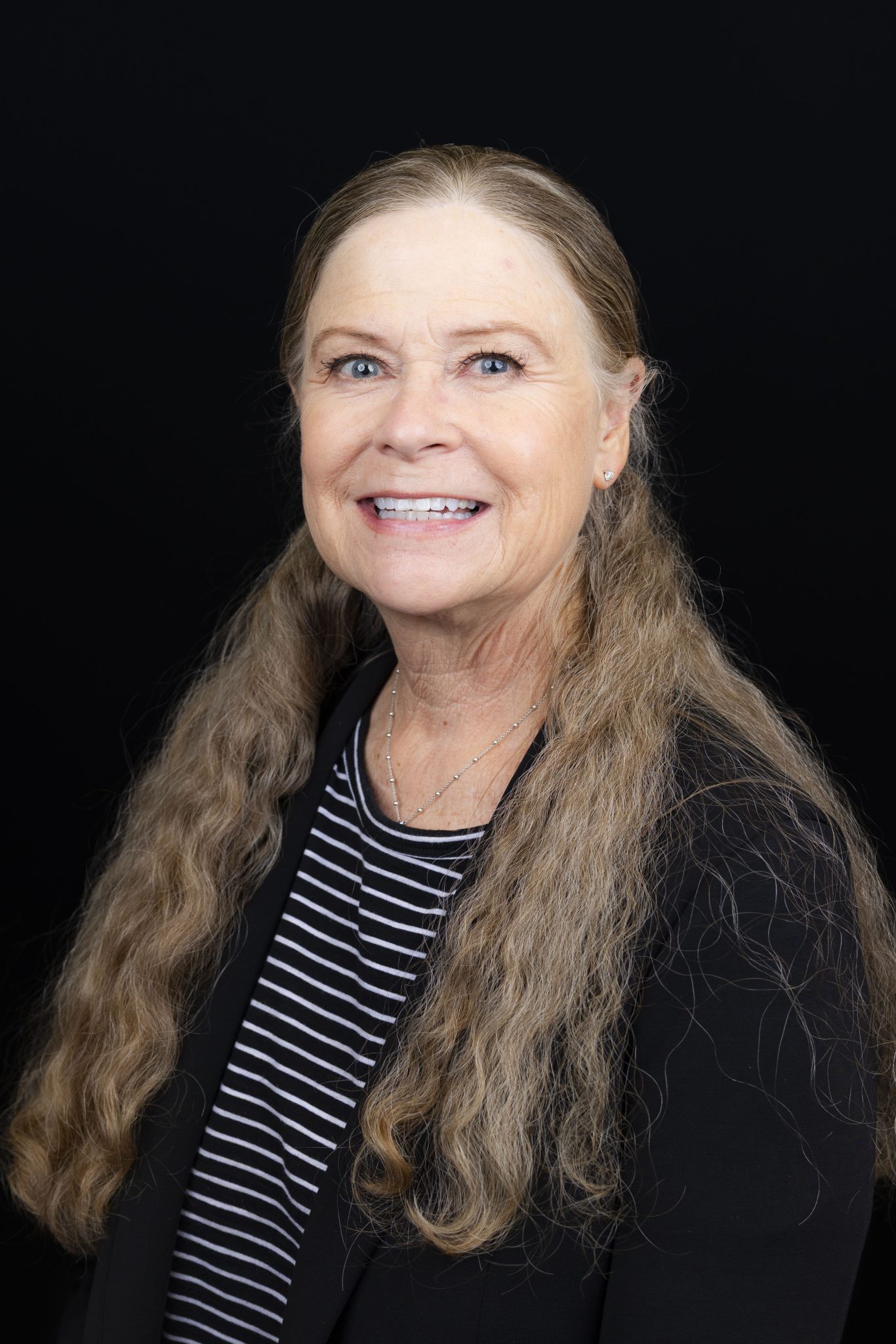 Dr. Kim Bloss |
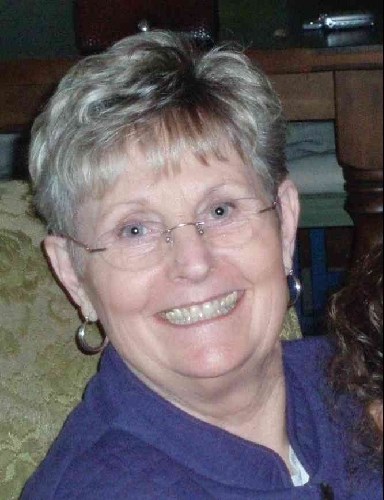 Peggy Walters |
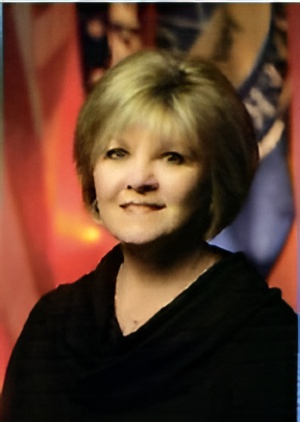 Kathy Cole |
In April 2008, Cole invited faculty to participate in the first workshop to explore best online instructional practices. By the 2009 fall semester the university had uploaded to its web site a distant education page to guide both students and faculty. That October Cole oversaw the formation of the Online Advisory Committee with faculty members from each college.
Dr. Berry, then serving as provost, made clear during a 2012 meeting of the Deans and Department Chairs that online classes would not remain niche offerings for professional and graduate programs. He proposed offering online sections of every general education course. The institutionalization of online education accelerated in the following years. By 2016 the Online Education Committee shed its ad hoc status to become an Academic Committee of the university and a reliable source for distance learning proposals.
Dean Bloss and Kathy Cole remained influential through their leadership on the committee. They were also instrumental in solidifying accreditation standards as the measure for the effectiveness of online education. Starting in Fall 2018 faculty new to teaching online had to first complete training modules that introduced the relevant technology and Quality Matters standards.
Meeting QM standards supplied proof that a higher education institution was in compliance with accreditation requirements. Following a number of presentations by Dr. Bloss and Cole to the Faculty Senate and Handbook Committee, the “Online/Hybrid Course Quality Assurance Policy” was endorsed in April 2019 by the faculty for inclusion in the handbook. Under the policy the recently established Office of Online Learning would determine early in the term if internet courses met the Higher Learning Commission (HLC) expectations.
The irrevocable ties between online education and accreditation were reinforced after the university shed its longstanding accreditation regime in favor of one suited to a changing higher education environment.
In June 2010 HLC accepted SAU’s application to switch to AQIP (Academic Quality Improvement Program) from its affiliation with PEAQ (Program to Evaluate and Advance Quality). Instead of an accreditation process built around preparing a comprehensive self-study every ten years, the university undertook to fashion a culture of “continuous improvement.”
To that end, SAU followed HLC directives to keep three action projects in force, submit system portfolios on a four-year cycle, and send a team to workshop-based national Strategy Forums. The university’s initial action plans suggested how academic and student affairs programs would continue to refurbish their operations much as buildings on campus were being renovated. These initial action plans included Identification and Review of General Education Assessment, First-Year Student Retention, and Improving Academic Advising.
By the time the university in 2017 submitted its second System Portfolio the organizational heft behind accreditation policies and practices was unmistakable. The director of institutional research position was created to shore up data collection and its dissemination. Formed the previous year, the Office of Institutional Effectiveness was designed to “centralize and better connect assessment, accreditation, and strategic planning efforts.”
The Quality Council and the Quality Executive Council, which did not exist when the first System Portfolio was written, drew widely from the faculty and staff ranks for their memberships.
The accumulation of data gave policymakers the means to deliver a thorough assessment of all programs of the university. This energetic strategy was underscored in the 2017 Portfolio: “Going forward, we will continue to improve our assessment processes by establishing procedures that ensure that all programs have assessment plans, that more faculty are active in data collection, and that every program submits an annual assessment report.” A complementary though distinct assessment framework emerged alongside the Quality Matters infrastructure.
After the HLC discontinued in 2020 the AQIP process, SAU migrated to the accrediting body’s new Open Pathways method of review. The university returned to a ten-year cycle but was expected to submit two Assurance Arguments within that span. Although the HLC may have reduced the reporting load associated with the continuous quality approach, SAU sustained a quality matters culture within its administrative structure. In 2017 Jennifer Rowsam was appointed Associate Provost for Institutional Effectiveness and was succeeded in 2024 by Brian Logan after she became Dean of Liberal and Performing Arts.
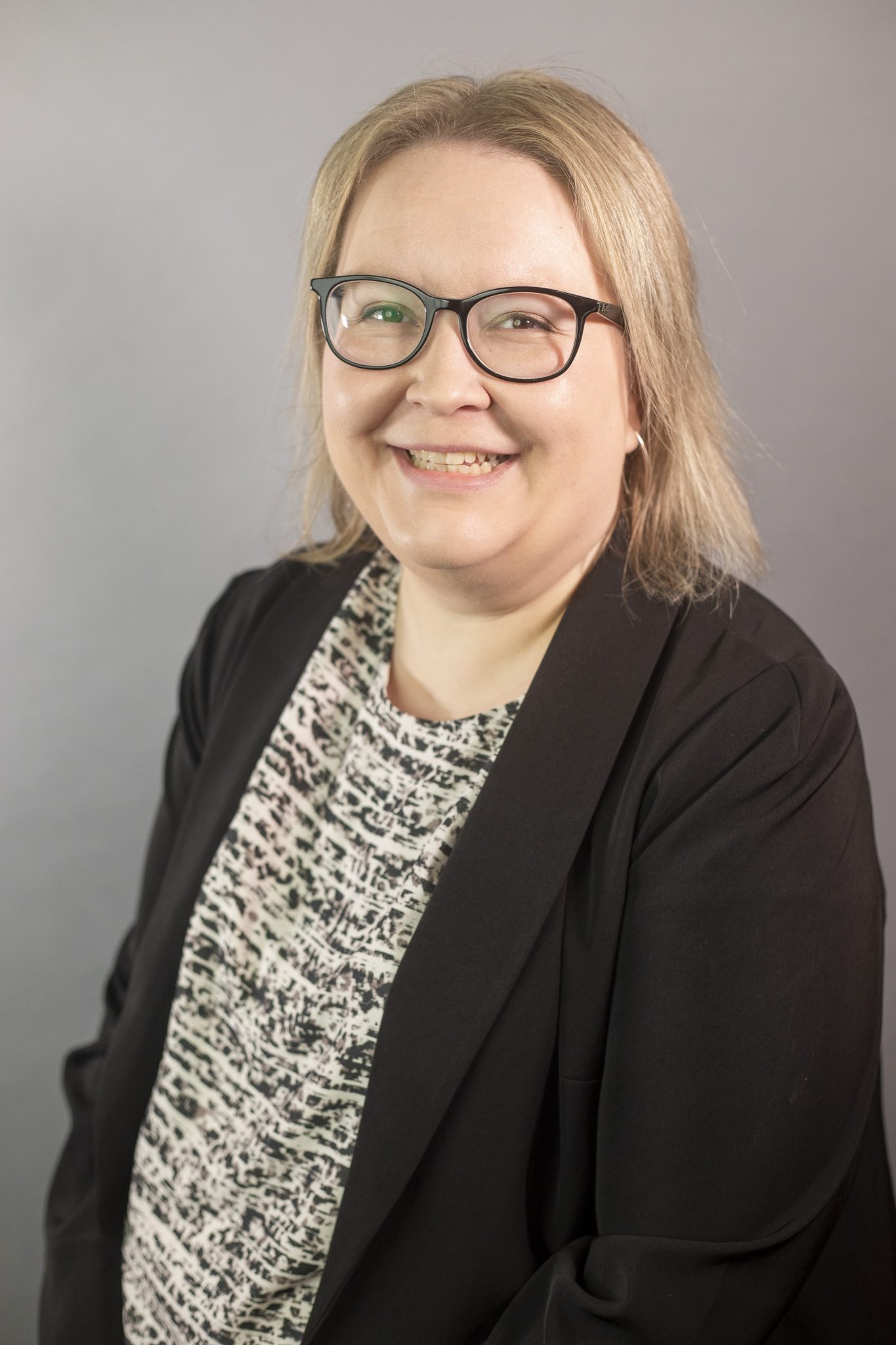 Dr. Jennifer Rowsam |
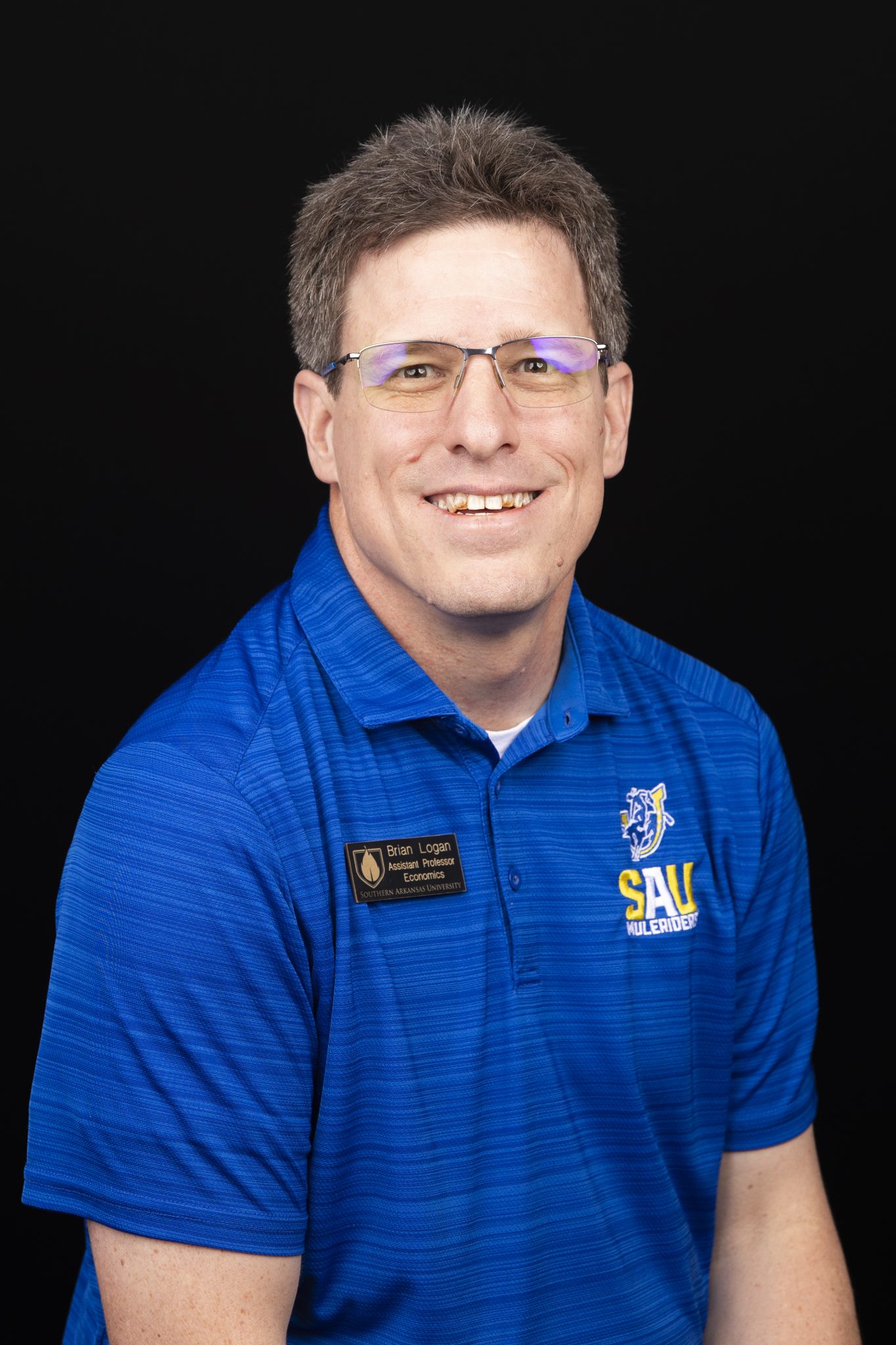 Brian Logan |
Learning, Research, Grant Funding Intertwined
SAU since its beginnings placed teaching and learning as its primary mission and, in truth, its core identity. The evolving accreditation regimes emphasized the importance of knowing what students knew upon graduation. Terrye Stinson from the College of Business and Denise Moseley from the College of Education accepted the responsibility for developing and overseeing the assessment review process. Faculty members established through departmental plans the goals of their teaching, the means to achieve the goals, and measures to confirm learning outcomes.
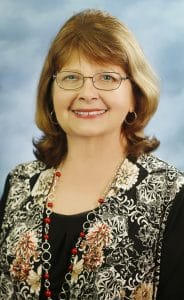 Terrye Stinson |
 Denise Moseley |
The university before the 21st century had generally depended upon informal mentoring and exchanging pedagogical ideas within departments to guide new faculty and freshen the practices of veteran teachers. The arrival of online courses did not eclipse personal mentoring but did pose challenges to experienced faculty whose focus on the classroom stretched back to their own student days. Academic leaders at the university recognized that distance learning pioneers needed creditable backing if evaluations and accreditation benchmarks were to have any meaning.
The Online Education Committee retained its policymaking role, but its mission to insure “ongoing support for faculty and students” needed to be incorporated into an employee job description. The professional staff in the Office of Online Learning not only oversaw the application of the Quality Matters rubrics but continued a form of the “desktop coaching” assistance developed by Kathy Cole in the formative years of distance courses.
Making its debut in Fall 2025, the Center for Excellence in Teaching and Learning did not emerge directly from an academic committee as had the distance learning offices. The staff drew upon past initiatives, including mentoring, that had not been systematized, while incorporating other enduring practices, such as regular presentations of faculty research. The center also invited faculty to explore methodologies and approaches in symposiums and workshops. Those who took advantage of these sessions were strengthening their case for favorable performance evaluations.
 |
The institution’s effective and intentional promotion of teaching did not blunt the aggregate and quality of faculty research. In fact, research activity grew more robust. The internal SAU Research Grant and Fellowship Program attracted an increasing number of strong applications for the Research Committee to consider. The award process grew more competitive.
The pursuit of external research funding also kicked into a new gear. In 2015 Abdel Bachri, then the chair of the Department of Engineering and Engineering Physics, secured a $265,000 National Institute of Health grant to examine the effect of space radiation on space travelers. A team of SAU students alongside Dr. Bachri conducted the experiments at the medical school campus in Little Rock.
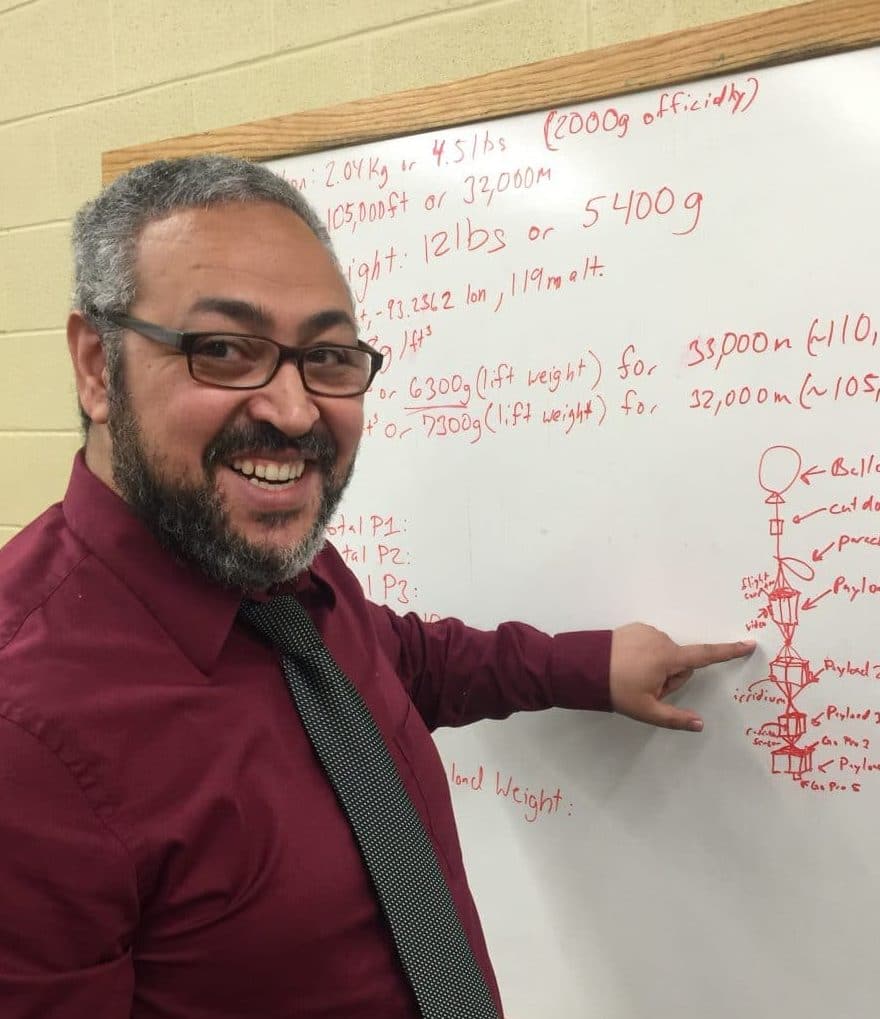 Dr. Abdel Bachri |
Ten years later, Dr. Bachri, who had become Dean of the College of Science and Engineering, joined with Shawana Reed, Vice-President of Finance and Hayder Zghair, assistant professor of engineering, to win the university’s first National Science Institute award. The $400,000 grant reinforced SAU’s role in advancing the potential regional boom in lithium extraction and processing. SAU’s reinvigorated STEM infrastructure, evident in the Science Center and engineering building, proved a foundation for this grant and for ones to come. Dr. Zghair observed, “This project gives SAU the ability to directly connect our engineering and science programs with industry needs…. the opportunities for student learning, internships, and workforce preparation are immense.”
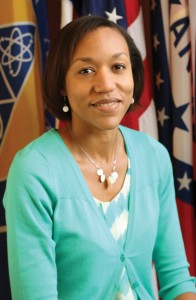 Shawana Reed |
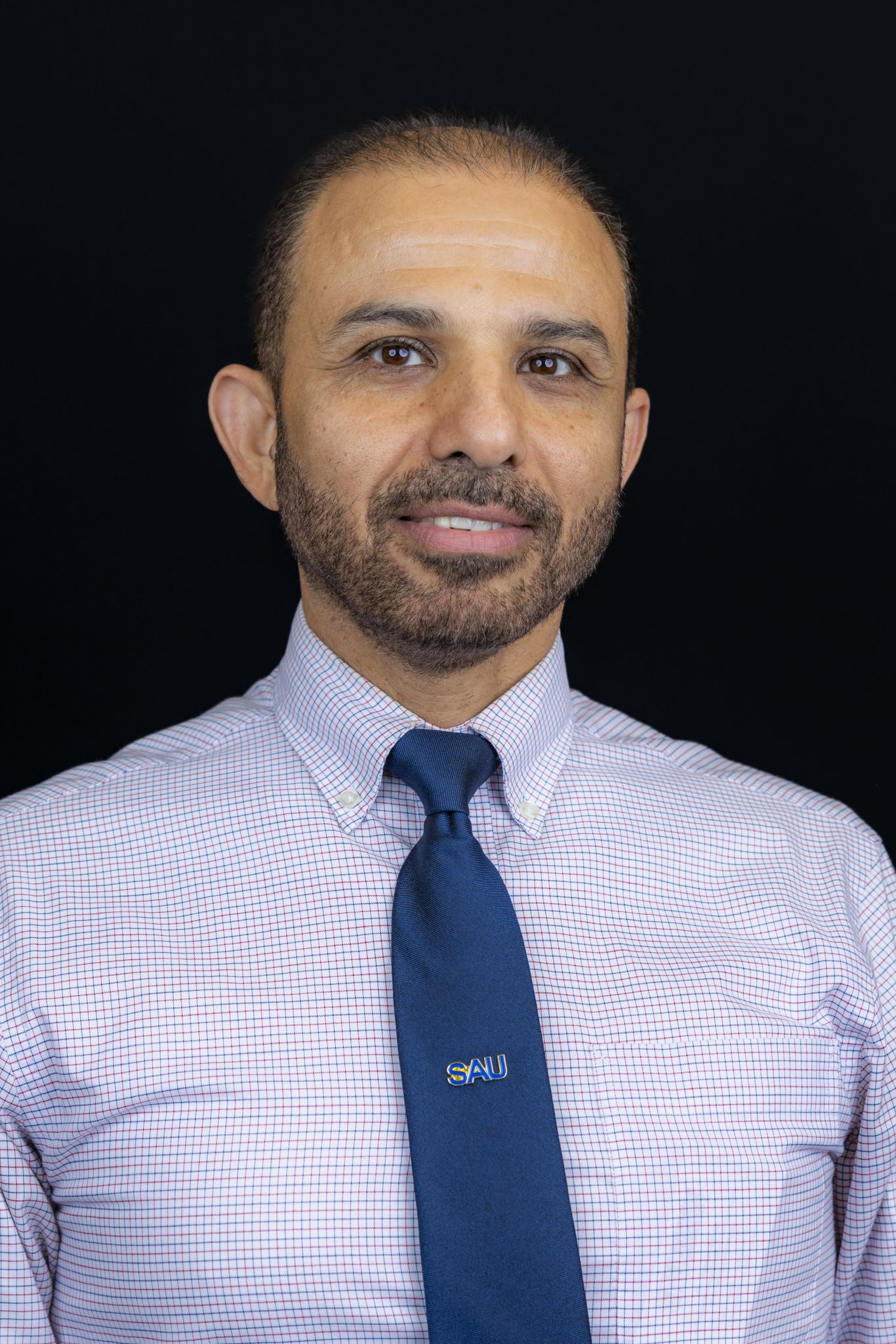 Dr. Hayder Zghair |
The anticipation that lithium resources would ignite an economic transformation in a struggling section of Arkansas echoed the hopes in the first decade of the 21st century that had hinged on lignite deposits. State and federal officials had agreed at the time with SAU leaders that ongoing research could show that this type of coal had the potential to become a viable energy source.
The promise of lignite faded but a related federal subsidy, expedited by U. S. Representative Mike Ross, permanently bolstered SAU’s research capability. Completed in 2010, the Natural Resource Research Center, (NRCC) housed seven laboratories fitted out with sophisticated analytical equipment. Students could extend their research into new areas and faculty and staff were able to offer an array of environmental testing services as well as technical assistance for industries and public agencies. Three years later, the NRCC was able to channeled customers’ concepts into physical models through the addition of the Engineering Simulation and 3-D Printing Lab. In 2023 the Arkansas Space Grant Consortium awarded a grant to Gija Geme, director of the NRCC, chemistry professor Tim Schroeder, and Copie Moore of the agricultural faculty to discover if crops such as soybeans, corn, lettuce, kale could be cultivated in a Mars soil simulant. The $50,000 grant funded the purchase of a device able to measure trace elements, such as metal, in a sample. The instrument bolstered the NRCC’s ability to serve local industry through more accurate water testing and soil chemistry.
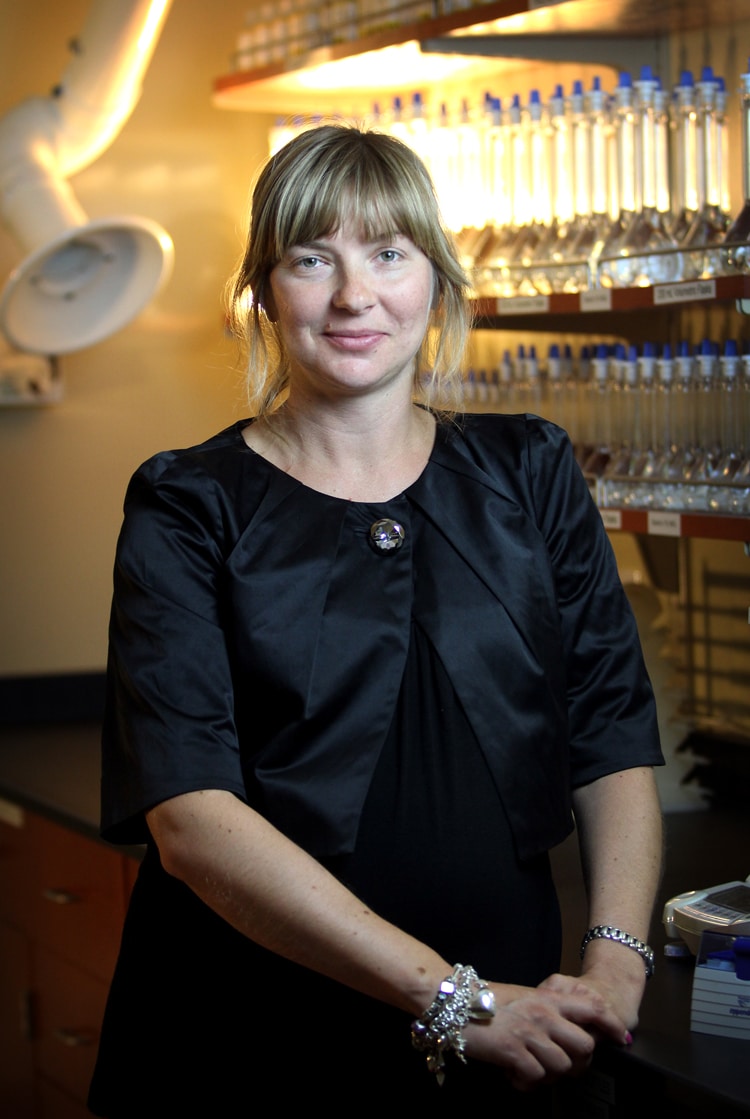 Gija Geme |
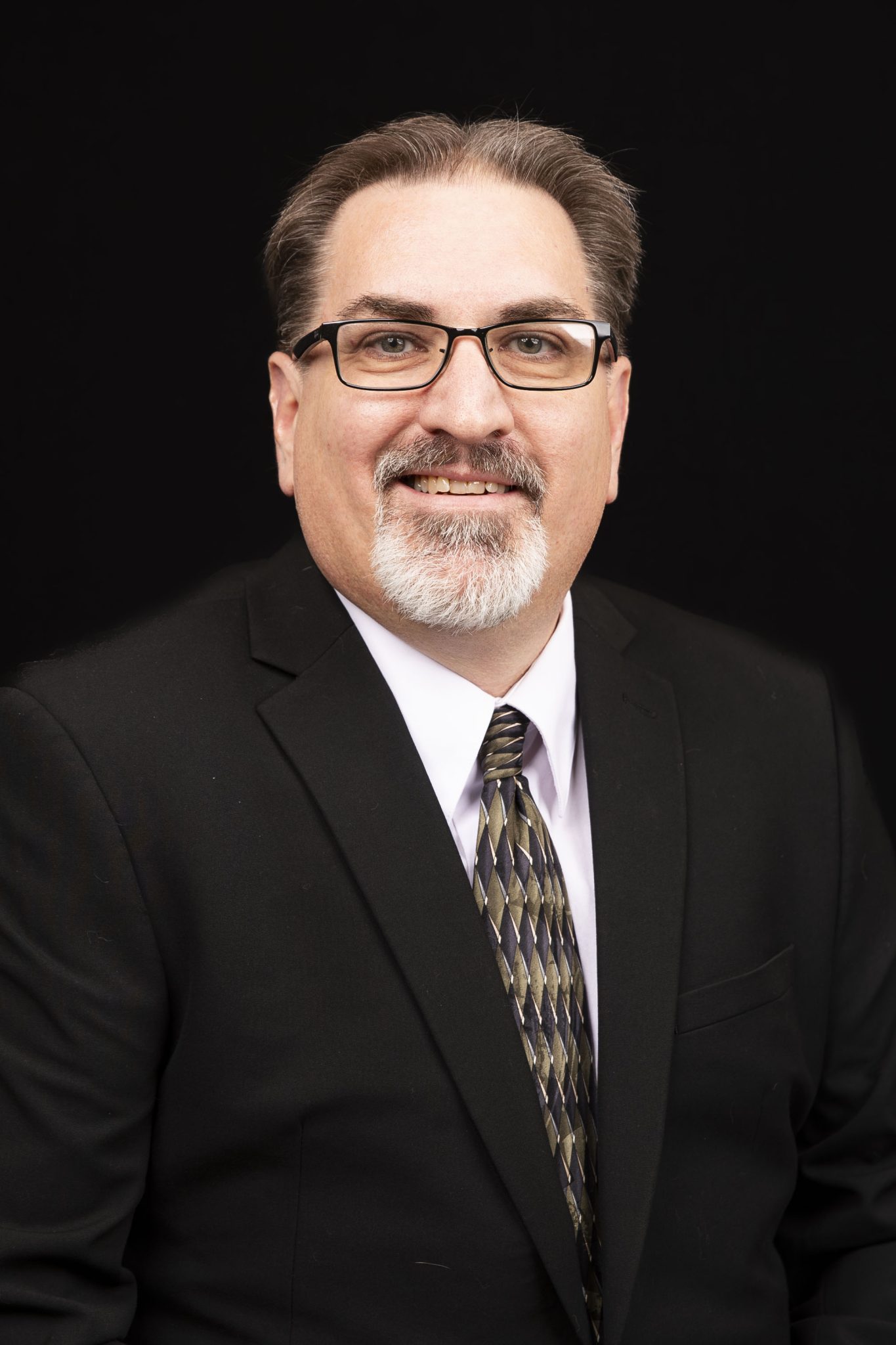 Tim Schroeder |
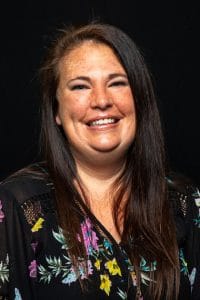 Copie Moore |
While the NRCC encouraged students and faculty to engage in basic research, an emphasis for the SAU Research and Fellowship grants, the center represented the confluence of goals: fortifying the education of SAU students, stimulating economic advancement through an upgraded workforce, and offering formerly unavailable state-of-the-art services. This model served SAU well when another untapped South Arkansas resource opened the door for a wider range of grants.
In 2024, the state awarded SAU a $2.75 million Higher Industry Readiness through the Educational Development (HIRED) workforce grant to carry out the LiTHIUMLEARNS initiative. Sheryl Edwards, Associate Vice President for Strategic Initiatives, was at the helm of the project, managing a collaborative network of area two-year colleges, K-12 school districts, and industries to ensure the lithium expansion would not be stymied by a lack of skilled workers. Those involved in LiTHIUMLEARNS were also confident that the core STEM curriculum would ready graduates for a variety of technological careers, allowing the region to attract a new set of high-income job providers.
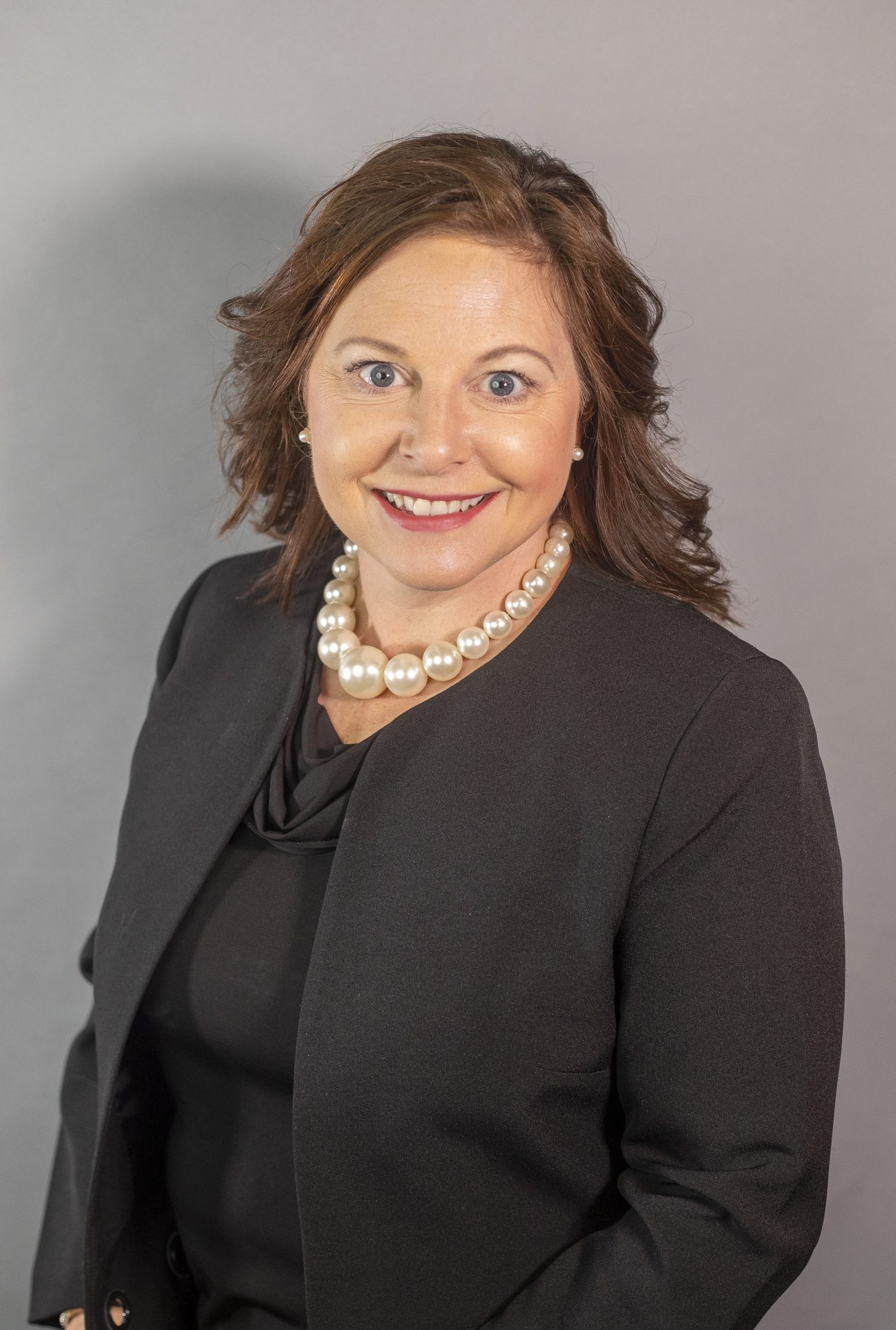 Sheryl Edwards |
SAU had for decades nurtured relations with surrounding schools, sources of its own future students. This tradition underpinned a major grant application to Forward Arkansas, a non-profit backed by the Walton Family Foundation and the Winthrop Rockefeller Foundation. In 2022 SAU and the University of Arkansas at Little Rock were the first Arkansas teacher education programs to obtain funding from the organization’s Educator Preparation Program. The executive director praised the two schools. “They developed bold, innovative plans for transformation and have the potential to dramatically impact the teacher pipeline in the regions they serve as well as the state more broadly.”
The grant supplied SAU with nearly $2 million in funds and services. Neelie Dobbins, then chair of the SAU Department of Teacher Education, and her colleagues had crafted a proposal to place SAU teacher candidates in classrooms for year-long paid “residencies.” This mutually beneficial arrangement with area school districts offered participants a head start on their careers under the guidance of an experienced mentor.
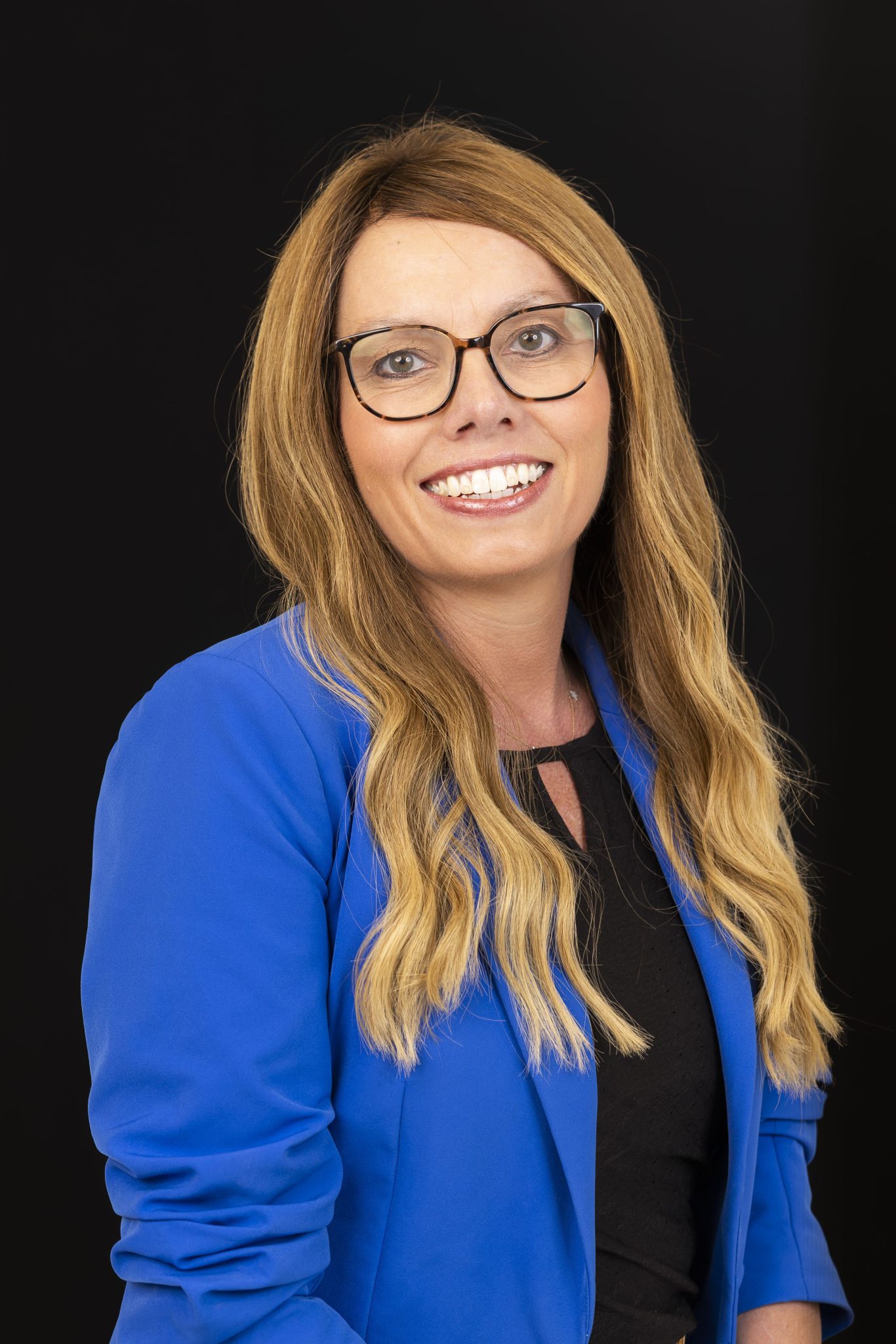 Dr. Neelie Dobbins |
Degrees Unique to Region, Philanthropic Support
New degree programs at both the College of Science and Engineering and the College of Education contributed to the success of ongoing research projects and grant applications. Faculty and students joining the programs supplied expertise, offered divergent disciplinary backgrounds, and furnished perspectives that bolstered intellectual engagement.
In 2025 the international accrediting body in engineering and technology approved accreditation for the Bachelor of Science in Mechanical Engineering. The university’s initial engineering degree, the Bachelor of Science in Engineering, had been accredited in 2018. Regional industries, particularly defense sector operations in the Camden industrial park, snapped up the vast majority of the graduates from the first four-year engineering program in the southern portion of the state.
Nothing was more fundamental to SAU’s mission and history than offering opportunities in its home region to students who otherwise would leave or scale back their ambitions.
In 2020, the HLC gave the green light to SAU to begin offering in Fall 2021 the only doctoral program in the southern rim of Arkansas. Jeff Haynes, a public school teacher in Hot Springs, mused on joining the first cohort accepted into Doctor of Education in Rural and Diverse Educational Leadership program: “Being able to reach out and use the knowledge of some of the brightest people in the industry is incredible.” Four years later, Dr. Haynes walked across the stage in Watson Field House to accept his degree, as did Aaron Duvall of Conway. “Professionally, the program’s rigor and its emphasis on rural and diverse issues in Arkansas challenged me to reconsider the educational challenges our state faces,” said Dr. Duvall.
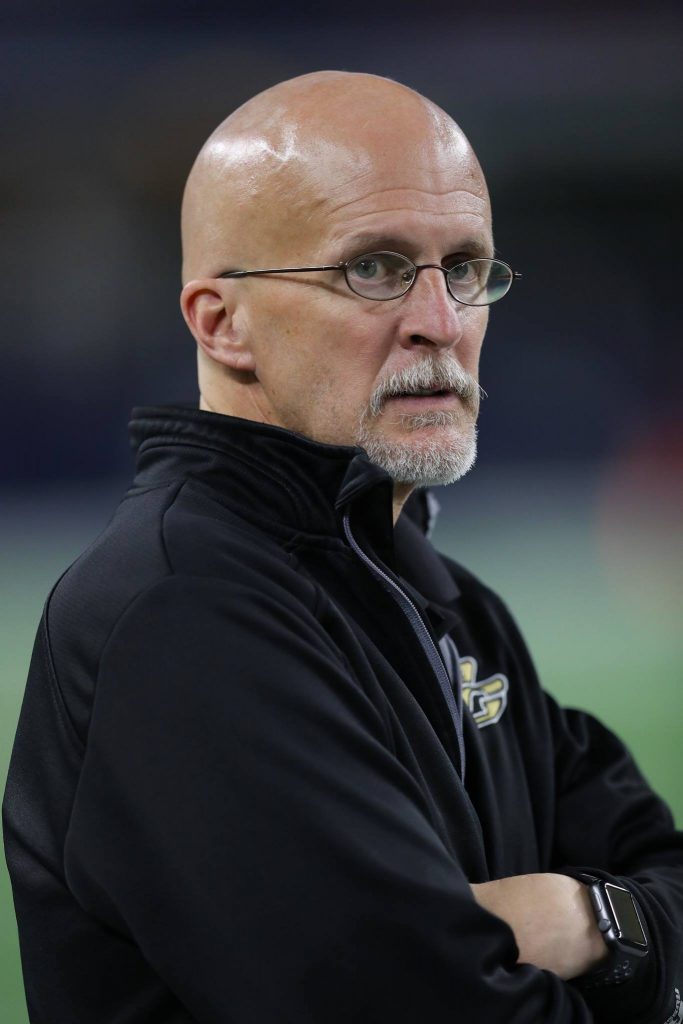 Jeff Haynes |
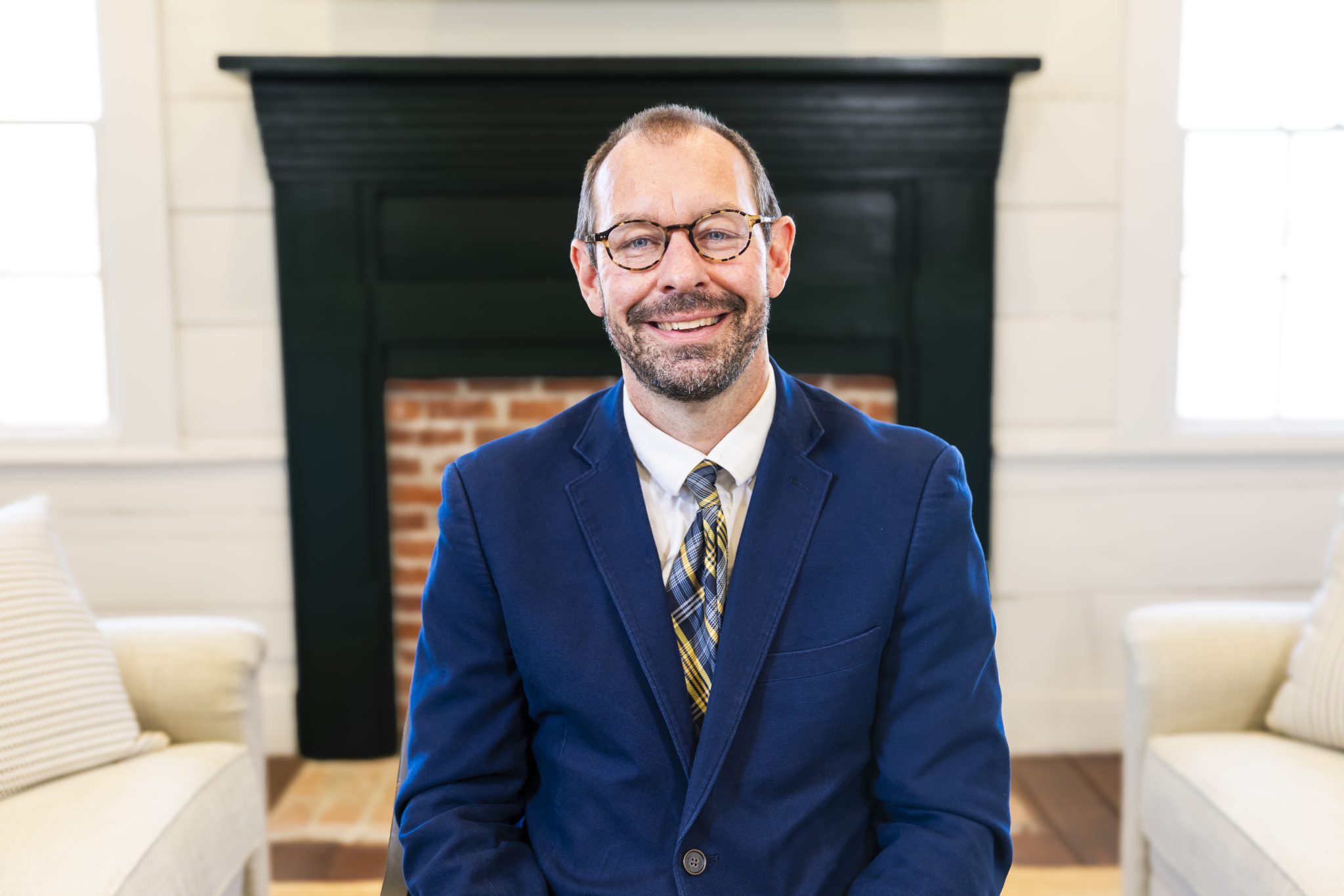 Aaron Duvall |
Magale Library augmented its holdings in response to expanding research ventures, new exacting degrees, and the pursuit by existing programs for professional accreditation. Even by 2009, microfilm readers and printed journals were giving way to electronic databases. The expense of these materials also markedly rose. Magale’s affiliation with the Arkansas State Library mitigated costs by sharing resources throughout a state-wide network. SAU’s 2022 assurance report to HLC noted “the Library maintains a growing array of learning support opportunities in the form of research assistance, test preparation, and materials that support skills development. In addition, librarians also provide workshops on the effective use of information and research, and work with Freshman Seminar courses to provide training on information literacy.”
Even with external grants, philanthropy remained a bulwark for the advancement of student and faculty endeavors. In 2023 Joan and Jack Dempsey made the College of Liberal and Performing Arts the second named college at the university with a $1 million gift. Joan Dempsey held a number of important positions in the federal government and leading private companies after earning a B.A. in political science in 1981.
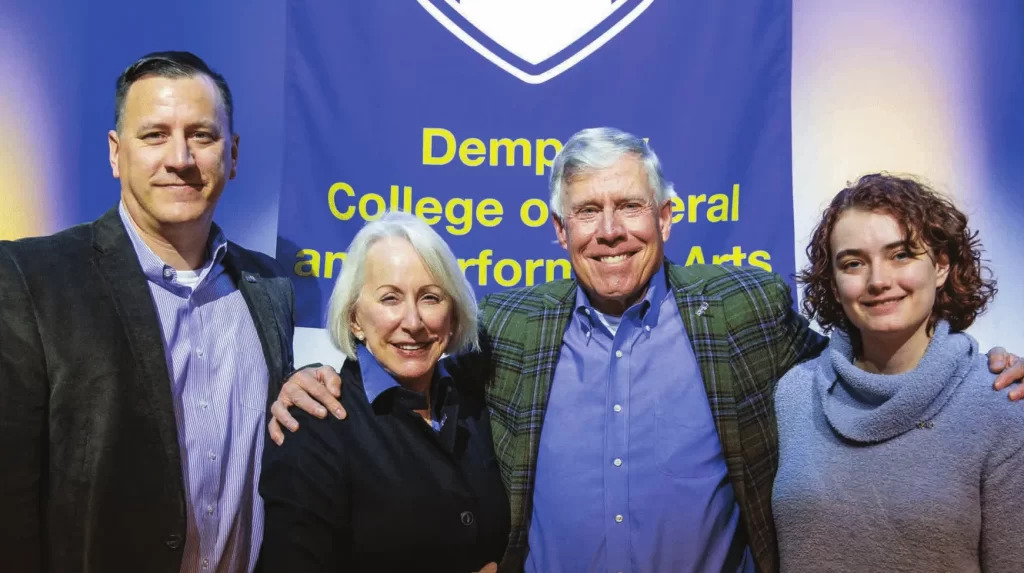 Joan and Jack Dempsey |
She understood first-hand how financial support for student travel and research along with promising faculty projects could alter the course of lives. She explained, “That foundation was laid in Magnolia, Arkansas. It never dawned on me in 1978, sitting in a political science class at SAU, that one day I’d be running a billion-dollar business in a private sector company or sitting on the board of 10 billion-dollar companies, helping them figure out how to grow and deal with business challenges like I do today.”
The endowment’s aim to foster study and travel experiences for students enhanced an ongoing university point of emphasis. Early on, students and faculty had shouldered the bulk of expense although the value of these experiences prompted the creation of endowments to honor noted faculty. The David Sixbey Foreign Studies Endowment, recognizing a professor of Russian history, got off the ground in 2009 when two students journeyed to Moscow. Students in the sciences were eligible for grant funds from the Leo Carson Davis Endowment, named after a well-traveled professor of geology.
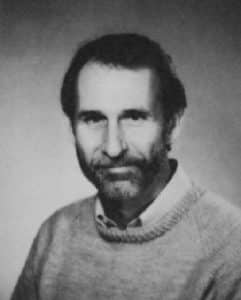 David Sixbey |
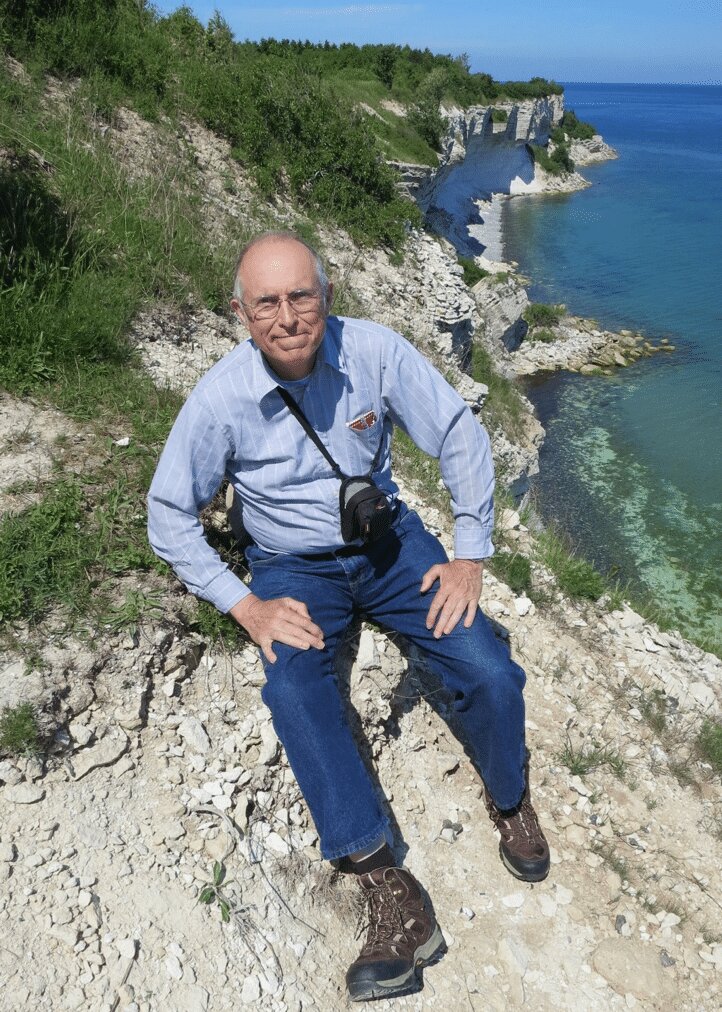 Leo Carson Davis |
Group tours led by SAU faculty grew in popularity in the years after 2009. Svetlana Paulson, professor of history, guided students in 2011 through European WW II historical sites as well as to Greece in 2014 while Honors College director Ed Kardas shepherded groups to France in 2017 and Italy in 2019. These trips, among others, offered course credit opportunities. Serving as Dean of the Rankin College, Robin Sronce marshaled support for groups of business students, accompanied by faculty, to meet the requirements for the International Studies and Field Experience course by traveling to Greece, Kenya, and Costa Rico. Katie Tejeda, an MBA candidate reflected on the experience: “We saw the country’s economic contrasts—rich, poor, middle class. It shaped my world lens.”
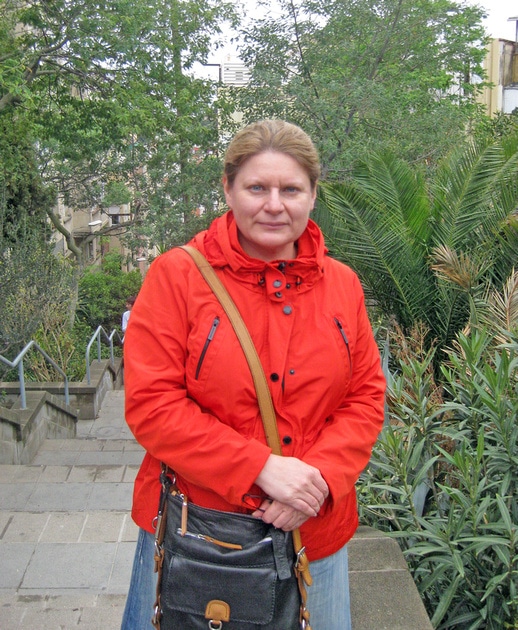 Dr. Svetlana Paulson |
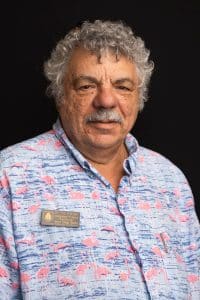 Dr. Ed Kardas |
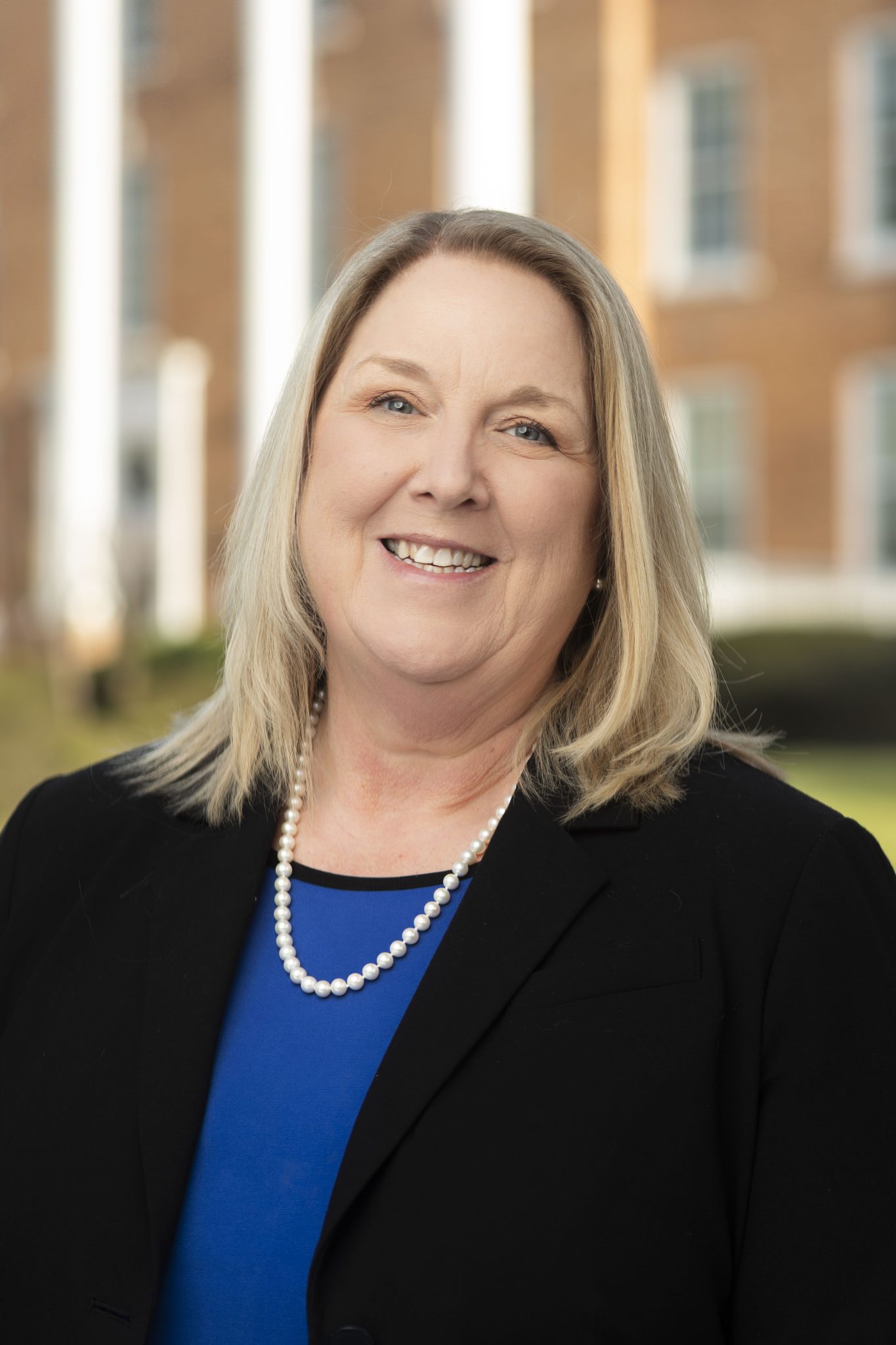 Dr. Robin Sronce |
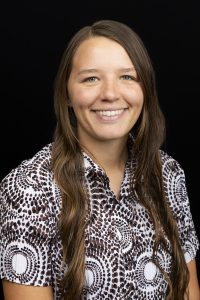 Katie Tejeda |
In 2026 the Windgate Foundation, whose support for the university began in 2019, announced a $4.6 million donation to establish an endowed scholarship program focused upon students stymied by financial barriers. President Hicks observed the gift would “open doors for students who might otherwise see college as out of reach.” A proportion of the scholarships was reserved for majors in studio arts, reflecting the foundation’s mission to promote contemporary crafts and the visual arts.
Affordability and Service
A number of Arkansas colleges confronted growing apprehensions by families over affordability by reducing or waiving tuition for designated groups of students. Beginning in 2025 SAU directly addressed the issue of cost by covering for incoming students eligible for Pell Grants and receiving Arkansas Challenge Scholarships the difference between financial aid and the amount of tuition and fees.
The university also adopted in 2025 the novel Next Step initiative that coordinated career preparation from first enrollment to graduation. Students were automatically enrolled in the Career Readiness track that included workshops, training in soft skills and critical thinking, and assistance in securing relevant internships. The university provided at no cost career coaching and up to nine undergraduate hours or a paid internship and six undergraduate credits to those students who did not find work or admitted to graduate school within six months of graduation.
Millennial and Gen Z students throughout the nation understood that involvement in community engagement not only enhanced their career prospects but expressed their values through confronting social problems and economic ills. SAU had long stood out among Arkansas institutions for vigorous participation in projects and organizations dedicated to community betterment. In 2009 and subsequent years, the Corporation for National and Community Service named SAU to President’s Higher Education Community Service Honor Roll. No other Arkansas public college achieved this recognition. In 2010 students, faculty, and staff recorded over 250,000 community service hours.
True to SAU’s organizational thrust in this era, the university created the Service Learning office to coordinate volunteer services as well as to oversee SAU+VISTA and the Saddle Up & Serve AmerCorps programs. The SAU+VISTA program as of 2026 awarded 40 year-long fellowships to those about to finish an undergraduate SAU degree or who were SAU alumni. The fellows took up duties in local projects ranging from the housing authority, foster care, the community garden, and the Boy’s and Girl’s Club. Particularly notable was the success of Mulerider Market and other food aid initiatives.
In 2026, Kathryn Gean highlighted at a national conference SAU’s drive to tackle hunger in a state with the greatest proportion of residents facing food insecurity. Gean, director of Service Learning and SAU+VISTA, vigorously took up the challenges by securing donations from local groceries and financial institutions along with filing successful grants to state and national foundations that amounted to $80,000 between 2022 and 2026. Mulerider Market distributed 21,000 pounds of supplies and food, including nearly 8,000 frozen meals prepared by Gene and a cadre of volunteers, to over 2400 SAU students between 2023 and 2026.
 Kathryn Gean |
Both the SAU+Vista summer associates and Saddle Up & Serve AmeriCorps programs drew from a larger pool of students than the VISTA fellowships. The Saddle Up participants were dispersed throughout a broad sweep of community and university projects while the 140 VISTA summer recruits were assigned to various university offices including advising and retention, financial aid, and housing.
Mulerider Athletics
As new organizations at SAU emerged to accomplish 21st century goals with efficiency and openness, the oldest extracurricular program thrived. Those football players riding mules to Coach George Ruford Turrentine’s home shortly after Thanksgiving in 1912 would have been astounded by the sports that were played in the 21st century and who was playing them.
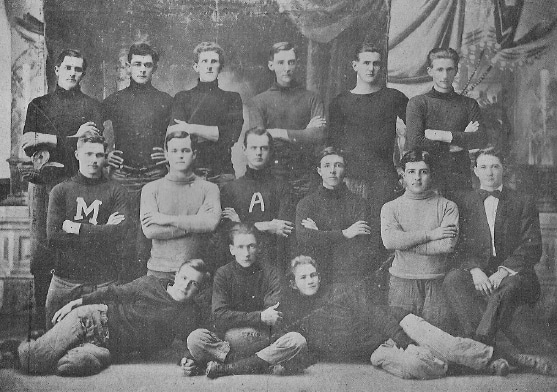 Coach George Ruford Turrentine and Football Team in 1912 |
In July 2010, SAU along with five other Arkansas schools that had been competing in the Gulf South Conference (GSC) and three Oklahoma colleges from the Lone Star Conference announced their intention to disaffiliate from those associations and create a new conference. The Arkansas programs had once contended in the Arkansas Intercollegiate Conference until it imploded in 1994, leaving them little choice but to shuttle into the NCAA Division II level GSC.
The Arkansas contingent huddled on the western periphery of the conference’s core territory of Georgia and Florida. Travel costs hit those schools harder than the GSC powerhouses in the east that had considerably larger enrollments and heftier budgets.
SAU was able to hold its own on the baseball field, winning two conference championships. The 1997 football squad coached by Steve Roberts snagged the GSC crown while the 1999 team missed duplicating the finish with an overtime loss to eventual champion Arkansas Tech. The football program fell short of these heights in the first decade of the new century after Roberts left to coach at Northwestern State (La.)
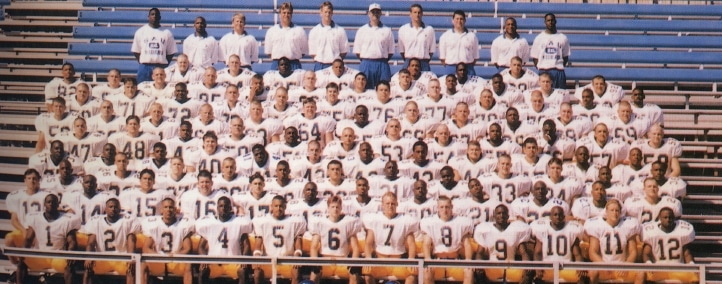 1997 Football Team |
 Steve Roberts |
In October 2010, the presidents of the break-away institutions hired a commissioner for what became in December the Great American Conference (GAC). Jay Adcox, the SAU athletic director, noted the benefits of playing nearby schools of comparable size and financial wherewithal: “We’re not talking about a 14,000 student enrollment. We’re not talking about traveling such a distance where our kids are doggone worn out.” The conference in subsequent years admitted other schools from Oklahoma, reaching a total in 2026 of twelve full members.
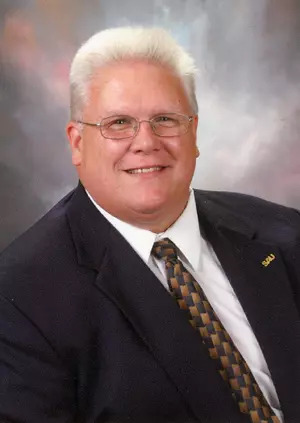 Jay Adcox |
The teams played the initial GAC games in 2011-2012. The conference sponsored championships in seven men’s and eight women’s sports. SAU remained a premier baseball power, winning successive GAC championships from 2012 through 2015 as well as in 2017 and 2022. Modest success for other SAU programs during the first decade of the GAC left the university far out of contention for the annual award presented to the school with the best cumulative record in all conference sports. Arkansas Tech University fulfilled the predictions of early observers who anticipated it would dominate the new conference. The Russellville institution did indeed carry off the All-Sports trophy six out of the first seven years.
Harding University secured this award seven times over the following eight years. The overall strength of its teams was spotlighted by its impressive football squads, including the 2023 national champion. By that year, the resurgence of football at SAU propelled its program to the top tier in the conference. The Muleriders emerged as second only to Harding in its total number of wins from 2023 through 2025.
The softball program at SAU also mounted a striking upswing. Conference championships in 2018, 2019, 2021 followed the completion of the stellar Downing Softball Complex, a leap from hosting games on borrowed public school fields.
SAU’s fitful support for women’s athletics over the decades tracked that of other institutions. In 1923 a women’s team took to the basketball court for the first time. Gaps in fielding women’s teams spanned 1930 to 1946 (when the school was still a junior college) and again from 1952 to 1965. Dr. Margaret Downing began coaching at Southern State College when women’s basketball resumed competition in what was then the Arkansas Women’s Extramural Sports Association. Over the course of two decades, she directed her teams to eight conference championships, fewer than amassed by only one other SAU sport.
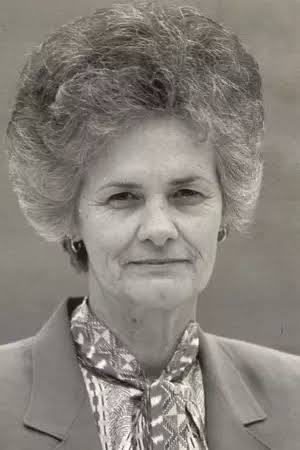 Dr. Margaret Downing |
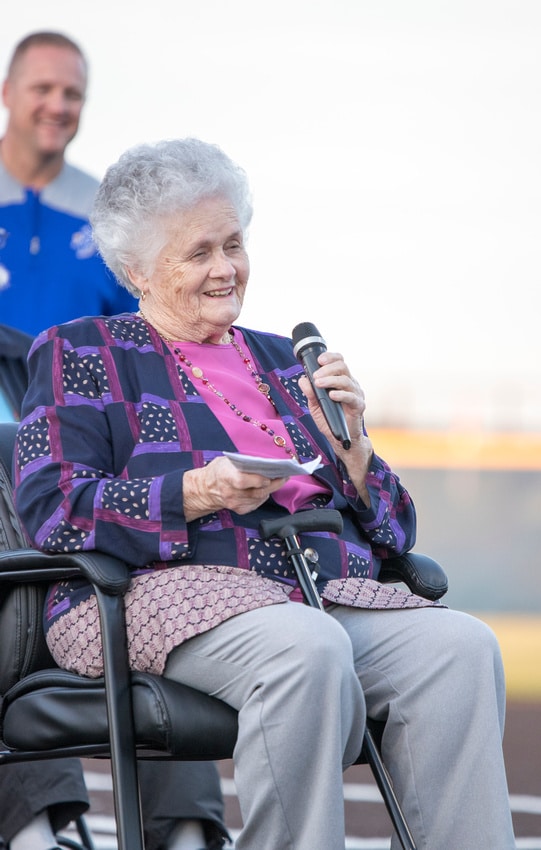 Dr. Margaret Downing |
In 2003, Dr. Downing was installed in the first class of the Southern Arkansas University Sports Hall of Fame, was a 2012 inductee into Arkansas Sports Hall of Fame, and added in 1987 to the National Association of Intercollegiate Athletics Hall of Fame. A large crowd in the softball field stands watched on October 20, 2019 as President Berry and Athletic Director Steve Browning announced the naming of the site in honor of the person who relentlessly advanced opportunities for female athletes at SAU and at the national level.
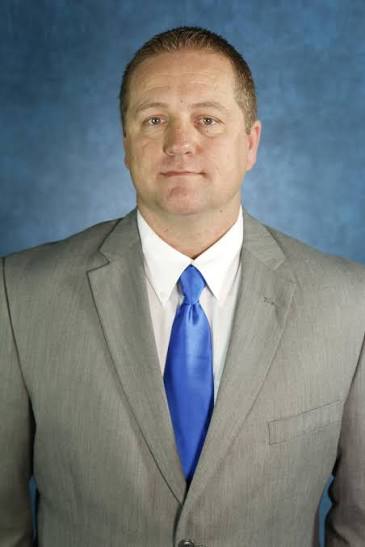 Steve Browning |
As was the case since the 1981 inception of the SAU rodeo program, the SAU women’s team remained after 2009 a formidable force in the National Intercollegiate Rodeo Association. The athletes who belonged to the 135 men’s and women’s college and university teams recognized by the national organization competed annually in regional rodeos for a trip to the finals in Casper, Wyoming. From 2007 to 2026, athletes from SAU qualified to participate in the national showcase. In 2015 Loni Pearce was the National Champion in goat tying while two years later Hannah Springer was the breakaway roping Reserve National Champion. In 2016 the SAU men amassed enough points to finish 7th in the overall team totals. The women finished in the top 10 team standings in 2011, 2015, 2017, 2018 while reaching 11th in 2014.
 Loni Pearce |
 Hannah Springer |
***********
James Willis closed his exemplary Southern Arkansas University: The Mulerider School’s Centennial History 1909-2009 by anchoring a promising future in the accomplishments of countless individuals, whether overlooked or celebrated, who forged a vital and consequential institution. “The hope, energy, and enterprise of those who enthusiastically launched TDAS in 1909 was mirrored and replicated by those leading and studying at SAU at its centennial milestone. The inspiration, memories, and achievements of those earlier generations would now propel SAU into its second century.”
SAU Staff
~Special thanks to Dr. Ben Johnson for his work preparing the above updates to SAU’s history. We appreciate all your work to preserve history.
July 2026-